Viewpoint: Lack of international cooperation could perpetuate the pandemic crisis for years

istock milan jovic x
Credit: iStock

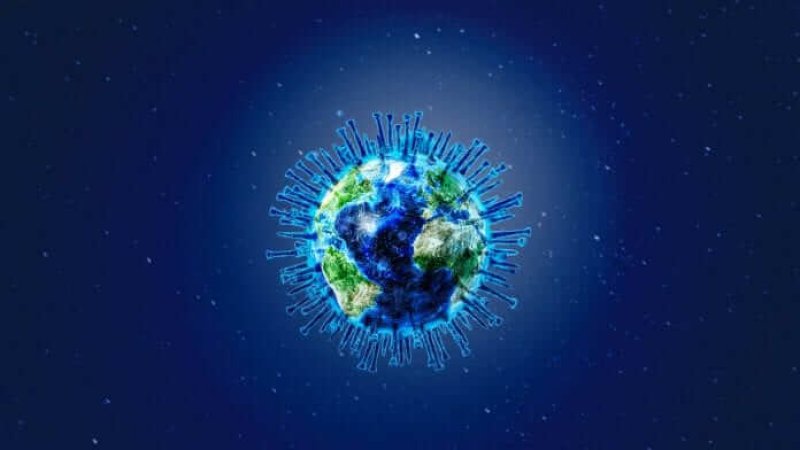
World leaders now have an opportunity to seal the deal on a global framework that puts international cooperation above vaccine nationalism in stopping the pandemic.

The moment of truth will be at midnight on September 18. That is the deadline for countries to join the COVID-19 Vaccine Global Access Facility (COVAX), an initiative launched by Gavi, the Vaccine Alliance, the World Health Organization, and the Coalition for Epidemic Preparedness Innovations. COVAX represents the best chance we have to provide people in all countries with rapid, fair, and equitable access to COVID-19 vaccines as soon as they become available. The initiative has already achieved an extraordinary scale, with more than 170 countries (representing 70% of the global population) already signaling their intent to join.

[T]he global death toll is approaching one million, with monthly economic losses estimated at $500 billion. Under these conditions, ensuring fair, universal access to vaccines is not only the right thing to do. It is also necessary if we are to bring the crisis to an end. Until everyone is protected, everyone will remain at risk of the disease, its adverse economic effects, or both.

Follow the latest news and policy debates on sustainable agriculture, biomedicine, and other ‘disruptive’ innovations. Subscribe to our newsletter.

When people look back and marvel at how quickly the scientific community and development practitioners responded to the COVID-19 threat, they will be able to point to the speed with which governments put aside national interests in the name of international cooperation and solidarity.


Read the original post

{{ reviewsTotal }}{{ options.labels.singularReviewCountLabel }}
{{ reviewsTotal }}{{ options.labels.pluralReviewCountLabel }}
{{ options.labels.newReviewButton }}
{{ userData.canReview.message }}

Related Articles

Infographic: Global regulatory and health research agencies on whether glyphosate causes cancer

Infographic: Global regulatory and health research agencies on whether glyphosate causes cancer

Does glyphosate—the world's most heavily-used herbicide—pose serious harm to humans? Is it carcinogenic? Those issues are of both legal and ...

Most Popular

ChatGPT-Image-Apr-20-2026-11_17_18-AM-2
10,000 scientists gone: Trump’s cuts create an unprecedented brain drain
Screenshot-2026-04-22-at-4.10.32-PM
Viewpoint — ‘Completely unethical’: RFK, Jr.’s medical ignorance deprives melanoma cancer-sufferers of a life-saving therapy
ChatGPT-Image-Apr-22-2026-04_31_20-PM
‘Irresponsible decision’? On mandatory military flu shots, Hegseth chooses ‘freedom’ over health
ChatGPT-Image-Apr-20-2026-12_28_36-PM
Vaccine skepticism is a growing global problem
Screenshot-2026-04-15-at-1.22.58-PM
Anti-biotechnology activists smear hybrid wheat breakthrough that could surge yields in poorer countries
ChatGPT-Image-Apr-17-2026-03_30_52-PM
Food labels, decoded: What they really mean
images
The never-ending GMO debate: Pros and cons
ChatGPT-Image-Mar-2-2026-03_22_54-PM
Why ‘support supplements’ for GLP-1 users are mostly a waste of money
ChatGPT-Image-Mar-11-2026-11_58_46-AM
The Trump administration has run out more than 4,000 National Institutes of Health employees. Here are the consequences
Screenshot-2026-04-22-at-1.14.34-PM
Latest fevered, right-wing conspiracy: Fox, New York Post, and kooky GOP legislators push ‘Dead Scientists’ scare
Screenshot-2026-04-12-135256
Bixonimania: The fake disease scam that AI swallowed whole
glp menu logo outlined

Get news on human & agricultural genetics and biotechnology delivered to your inbox.