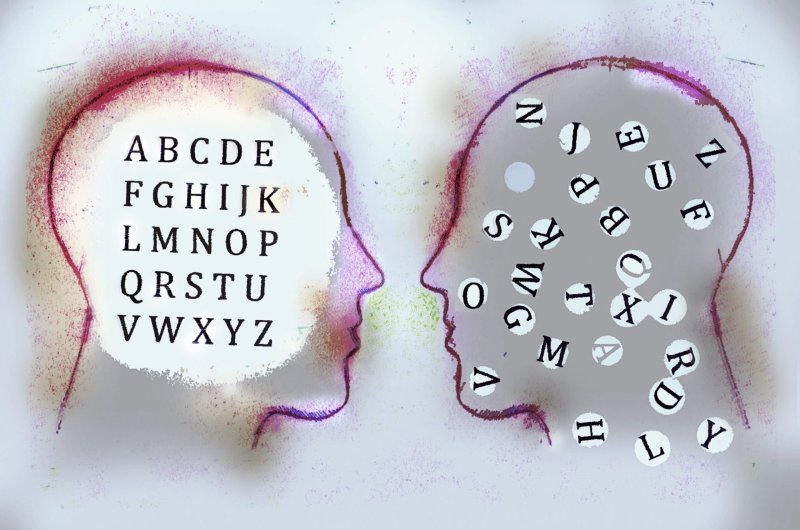
Dyslexia shows the inborn nature of visual imagining and cognition

unnamed file

Reading is a learned skill; no one is born reading. But learning to read relies on inborn human capacities for language and speech. And dyslexia is a genetic condition that compromises these brain networks.

Yet laypeople are convinced that dyslexia results from “troubles with vision.” And these errors matter. A parent who holds these views might fail to recognize her child’s difficulties with rhymes and pig Latin (both require phonemic awareness) as warning signs. So why are we so wrong about dyslexia? Why do we mistake dyslexia for “word blindness”?

At first blush, these misconceptions seem rather innocent; laypeople, by definition, aren’t reading experts, so perhaps they just don’t know better. But aspiring teachers, with ample educational training, make similar mistakes. Moreover, the pattern of mistakes suggests a deeper problem.

Follow the latest news and policy debates on sustainable agriculture, biomedicine, and other ‘disruptive’ innovations. Subscribe to our newsletter.

While these biases are unconscious, they demonstrably veer off reasoning in numerous areas, from our irrational fascination with the brain to our fear of artificial intelligence; our troubles with dyslexia, then, are but one of its many victims. To counter these errors, information alone won’t suffice—a real change requires that we take a hard look within.


Reading, then, rests on decoding in more ways than one. For children to successfully decode printed words, we must all improve our decoding of the human mind.


Read the original post

{{ reviewsTotal }}{{ options.labels.singularReviewCountLabel }}
{{ reviewsTotal }}{{ options.labels.pluralReviewCountLabel }}
{{ options.labels.newReviewButton }}
{{ userData.canReview.message }}

Related Articles

Infographic: Global regulatory and health research agencies on whether glyphosate causes cancer

Infographic: Global regulatory and health research agencies on whether glyphosate causes cancer

Does glyphosate—the world's most heavily-used herbicide—pose serious harm to humans? Is it carcinogenic? Those issues are of both legal and ...

Most Popular

ChatGPT-Image-Jul-8-2026-12_32_48-PM
Viewpoint: SCOTUS strikes a blow against junk science in Bayer glyphosate case. Will it deter mass tort litigators?
ChatGPT-Image-Mar-10-2026-01_39_01-PM
Viewpoint—“Miracle molecule” debunked: Why acemannan supplements don’t work
Screenshot-2026-07-08-at-9.36.03-AM
Viewpoint: Long-contained diseases are on the rise in the U.S. Are Trump cuts to blame?
afb-a-b
As the EU loosens restrictions on agricultural gene editing, it remains years behind the rest of the world on equally-safe GMO foods
c9f0a584-46e9-4dd8-9a77-f5f5a7a51a84
Across Eastern Europe, science disinformation has spread far beyond COVID and vaccine denialism. Here’s the grim list.
ChatGPT-Image-Jul-7-2026-01_57_55-PM
Viewpoint: Europe’s rejection of air conditioning is the poster child for misunderstanding how to mitigate the impact of climate change
ChatGPT-Image-Jun-25-2026-12_23_17-PM
No, Bill Gates did not secretly engineer ticks to promote veganism
ChatGPT-Image-Jul-1-2026-03_33_49-PM
‘Alternative’ cancer treatments that could kill you
Screenshot 2026-07-11 100209
Viewpoint: Supplements to clean your liver? Not a good idea.
ChatGPT-Image-Jul-1-2026-12_37_08-PM
Viewpoint: Trump poised to politicize all U.S.-supported science research
Viewpoint: Consensus as truth? How ‘misinformation police’ control policy narratives
Which among war, weather and cyber attacks is the biggest world threat? None of the above. It’s misinformation, and here’s why.
Screenshot-2026-07-10-at-3.10.50-PM
Snake-oil cures throughout history
glp menu logo outlined

Get news on human & agricultural genetics and biotechnology delivered to your inbox.