Not quite total recall: How limits on what humans can remember is helping us ‘teach’ AI

shutterstock
Credit: Shutterstock

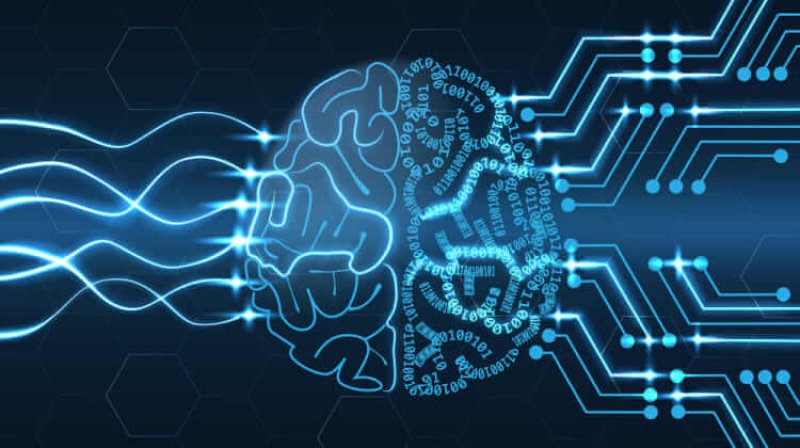
An artificial neural network learns by adjusting synaptic weights—how strongly one artificial neuron connects to another—which in turn leads to a sort of “memory” of its learnings that’s embedded into the weights.

Because retraining the neural network on another task disrupts those weights, the AI is essentially forced to “forget” its previous knowledge as a prerequisite to learn something new.

Imagine gluing together a bridge made out of toothpicks, only having to rip apart the glue to build a skyscraper with the same material. The hardware is the same, but the memory of the bridge is now lost.

Mis- and disinformation are distorting science and public policy. Subscribe to our Daily and Weekly Digests for incisive coverage of ‘disruptive’ innovations in AI, agricultural biotechnology, food, chemicals, nuclear energy, vaccines, and other disruptive innovations.

But here’s the thing: if the human brain can do it, nature has already figured out a solution. Why not try it on AI?

A recent study by researchers at the University of Massachusetts Amherst and the Baylor College of Medicine did just that. Drawing inspiration from the mechanics of human memory, the team turbo-charged their algorithm with a powerful capability called “memory replay”—a sort of “rehearsal” of experiences in the brain that cements new learnings into long-lived memories.

What came as a surprise to the authors wasn’t that adding replay to an algorithm boosted its ability to retain its previous trainings… A bastardized version of the memory, generated by the network itself based on past experiences, was sufficient to give the algorithm a hefty memory boost.


Read the original post

Related Articles

Infographic: Global regulatory and health research agencies on whether glyphosate causes cancer

Infographic: Global regulatory and health research agencies on whether glyphosate causes cancer

Does glyphosate—the world's most heavily-used herbicide—pose serious harm to humans? Is it carcinogenic? Those issues are of both legal and ...

Most Popular

ChatGPT-Image-Mar-10-2026-01_39_01-PM
Viewpoint—“Miracle molecule” debunked: Why acemannan supplements don’t work
Wave Crest Over Red Cross
Viewpoint: Here are the election-inspired Trump administration healthcare policy reversals expected in the coming months
Aerial Sprayer Over Gradient Fields
Farming, food, and chemicals: Post-midterms, the MAHA alliance between Democrats and MAGA Republicans is bruised but not cowed. What comes next?
Supplement Rain Wellness Illustration
Viewpoint: Bedeviled by “toxic inflammation”? How wellness grifters turn this scientific gray zone into a supplement jackpot
Teal Hexagon Technology Icons
4 key ways the Blue Wave will upend science policy
Confident Doctor in Clinical Setting
More than 80% of ‘pro-science’ candidates were swept into office. Will they have a policy impact?
Stacked Protest Signs on Concrete Ledge
Voters hate AI data centers, yet they are crucial to establishing a critical technology. So what’s next?
Microscopic IVF Egg Injection
With technical barriers to human embryo editing falling, ethical concerns escalate
Democratic Donkey Plowing at Sunset
Viewpoint: Democratic tsunami: As the red tide recedes, here are the most likely shifts in food and agricultural policy
Screenshot-2026-11-05-at-1.20.54-PM
$7.35 billion PFAS settlement: 3M to pay people who blame health problems on ‘forever chemicals’ phased out of firefighting foam for more than 20 years
Protect-Womens-Sports-at-the-Capitol
Blue, purple and red states passed or reaffirmed bans on trans females competing in women’s sports
Prescription Capsules Scattered on Twenty-Dollar Bills
Facts & Fallacies podcast: America's health care system is broken. A doctor explains how to fix it, Part 2
glp menu logo outlined

Get news on human & agricultural genetics and biotechnology delivered to your inbox.