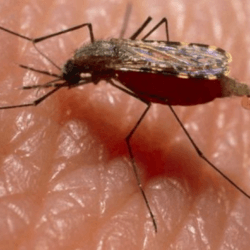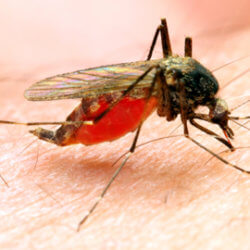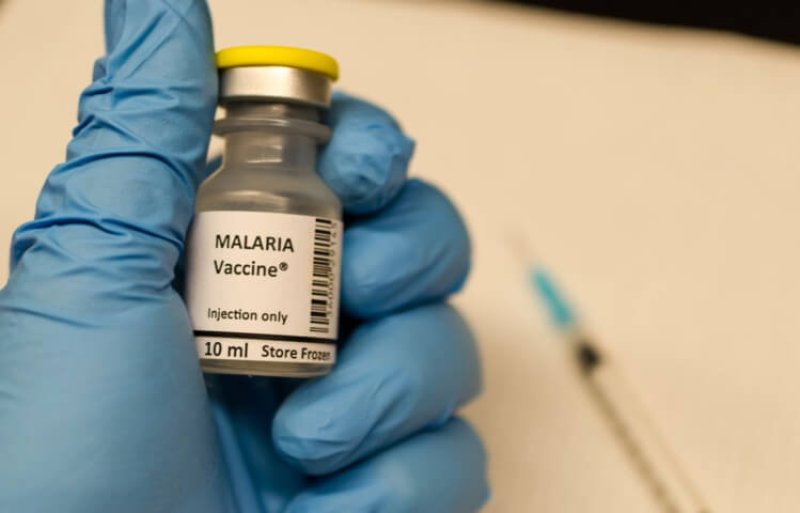

Malaria’s catastrophic toll has inspired many attempts to create a viable vaccine, but the genetic complexity of the malaria parasite has made vaccine development difficult. Only one vaccine, the RTS,S vaccine, has completed large-scale clinical testing and it only protected about 40% of recipients. In 2020, however, there have been three promising studies, each focusing on a novel approach to the malaria vaccine. These studies could open up new avenues in the fight against the disease.
Many in the scientific community have applauded both of these trials. Despite falling short of delivering full immunity to malaria, as proof-of-principle studies, they illustrate that genetically engineered malaria vaccines hold promise.