How long do most mammal species survive before going extinct?

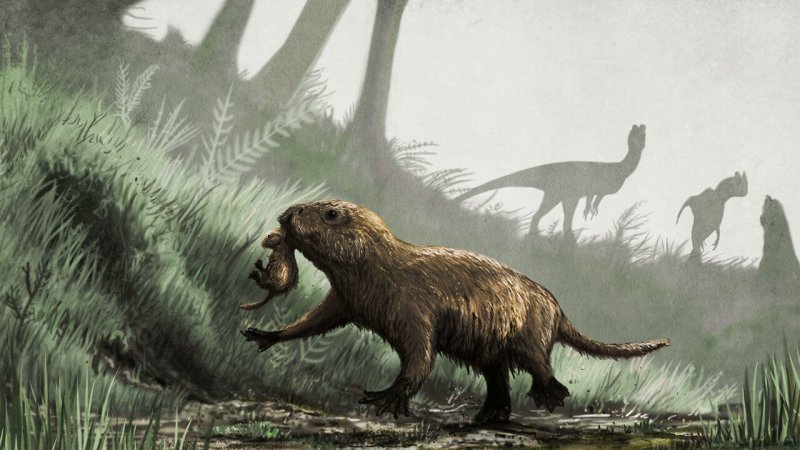
cc mark witton kayenta x
Kayentatherium, a mammal that lived at the same time as dinosaurs. Credit: Mark Witton

How long do species usually last before they go extinct?

It turns out the answer we find now could be very different than it usually is. Because of habitat destruction, climate change, and a range of other factors, plants and animals are disappearing from the planet faster than all but maybe five other points in history. Some experts say we’re in the sixth mass extinction event. But even in calmer periods of Earth’s history, the answer has varied depending on the type of species you’re looking at. For mammals, the average species exists for 1 million to 2 million years, according to an article in the journal People & the planet.

There are several reasons why estimates of the current extinction rate vary. “The extinction rate is based on how many species are on Earth and how rapidly they’re going extinct,” [Center for Biological Diversity’s Senior Scientist Tierra] Curry said. “And no one actually knows the answer to either one of those questions.”

Follow the latest news and policy debates on sustainable agriculture, biomedicine, and other ‘disruptive’ innovations. Subscribe to our newsletter.

One thing the experts do agree on is that the modern extinction rate is far too high. “Species are adapting as fast as they can,” [conversation ecologist Stuart] Pimm said. “But eventually the luck runs out and they don’t adapt fast enough. And they go.”


Read the original post

{{ reviewsTotal }}{{ options.labels.singularReviewCountLabel }}
{{ reviewsTotal }}{{ options.labels.pluralReviewCountLabel }}
{{ options.labels.newReviewButton }}
{{ userData.canReview.message }}

Related Articles

Infographic: Global regulatory and health research agencies on whether glyphosate causes cancer

Infographic: Global regulatory and health research agencies on whether glyphosate causes cancer

Does glyphosate—the world's most heavily-used herbicide—pose serious harm to humans? Is it carcinogenic? Those issues are of both legal and ...

Most Popular

Screenshot-PM-24
Viewpoint: The herbicide glyphosate isn’t perfect. Banning it would be far worse.
79d03212-2508-45d0-b427-8e9743ff6432
Viewpoint: The Casey Means hustle—Wellness woo opportunism dressed up as medical wisdom
ChatGPT-Image-Mar-10-2026-01_39_01-PM
Viewpoint—“Miracle molecule” debunked: Why acemannan supplements don’t work
d-b
Blocked arteries, kidney stones, nausea, constipation, fatigue: Long list of health problems caused by too much vitamin D 
ChatGPT-Image-Apr-30-2026-05_00_48-PM
Wellness grifter physician turned wellness influencer out as surgeon general nominee
Screenshot-2026-04-30-at-11.33.46-AM
Anti-seed-oil to anti-vax pipeline: MAHA movement spreads to teen influencers
lab grown meat research kelly schultz lehighuniversity main
Profiles of the 10 top global cultured meat companies
ChatGPT-Image-Mar-27-2026-11_27_05-AM
The myths of “process”: What science says about the “dangers’ of synthetic products and ultra-processed foods
Screenshot-2026-04-28-at-1.21.37-PM
How America’s medical system encourages psychiatric overdiagnosis

Sorry. No data so far.

glp menu logo outlined

Get news on human & agricultural genetics and biotechnology delivered to your inbox.