Viewpoint: Why we shouldn’t be scared of human gene editing

genebaby
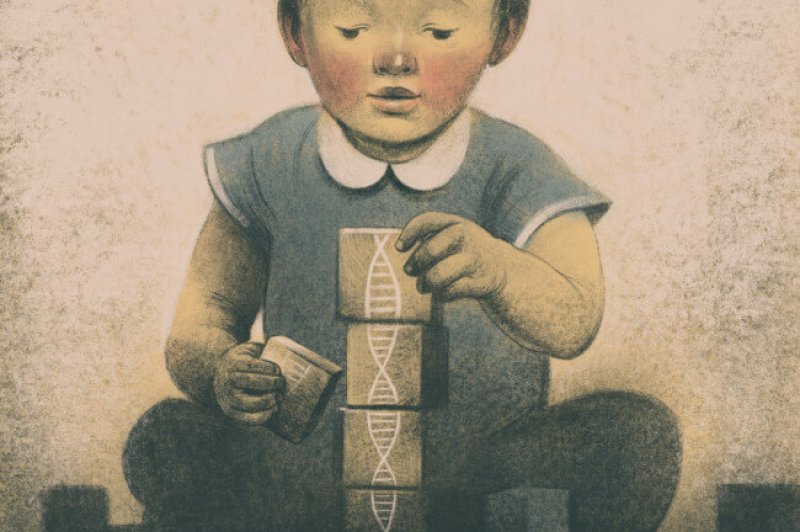
Credit: Christopher Thornock
[G]ene editing is not something to be scared of, and we must spread the word. It is a tool that can improve our lives when accompanied by strict regulations that control the accessibility to this technology and its gratuitous use. Every moment we spend afraid of gene editing is a moment someone who could be helped by it suffers unduly.

First and foremost, gene editing has the potential to treat a wide range of diseases. Scientists have been testing this theory in patients by targeting problematic genes in their DNA sequences responsible for maladies from cancer to blood disorders.

Similarly, gene editing could prove helpful in the prevention of illness if scientists find a way to edit the germline, the human reproductive cells which combine to form offspring. By identifying and fixing disease-causing mutations before individuals are born, scientists could bypass the need of having to develop new therapies in the first place.

Follow the latest news and policy debates on sustainable agriculture, biomedicine, and other ‘disruptive’ innovations. Subscribe to our newsletter.

CRISPR might seem fantastical, but it is not. This new technology has the potential to dramatically change our lives for the better, so we shouldn’t focus only on what could go wrong. Instead, we should strive to be aware of both sides of genome editing and work to remove the stigma around it.


Read the original post

{{ reviewsTotal }}{{ options.labels.singularReviewCountLabel }}
{{ reviewsTotal }}{{ options.labels.pluralReviewCountLabel }}
{{ options.labels.newReviewButton }}
{{ userData.canReview.message }}

Related Articles

Infographic: Global regulatory and health research agencies on whether glyphosate causes cancer

Infographic: Global regulatory and health research agencies on whether glyphosate causes cancer

Does glyphosate—the world's most heavily-used herbicide—pose serious harm to humans? Is it carcinogenic? Those issues are of both legal and ...

Most Popular

vax-misinformation-main
Facts & Fallacies Podcast: Limit free speech to blunt social media misinfo?
Picture1
The FDA couldn’t find a vaccine safety crisis, so it buried its own research
ChatGPT-Image-Apr-16-2026-02_56_53-PM
Financial incentives, over diagnosis, and weak oversight: Autism claims are driving up Medicare costs
Screenshot-2026-05-08-at-11.55.47-AM
Anti-vax activists falsely blame COVID vaccines for the rising U.S. cancer rate among younger people.
ChatGPT-Image-May-12-2026-11_27_01-AM-2
AI likely to improve health care, research shows—but not for blacks and ethnic minorities
modi visit sikkim
Viewpoint: Indian PM wants farmers to switch to 50% organic. It would take at least 10 years, likely won’t work, and isn’t more sustainable
ChatGPT-Image-May-7-2026-12_32_36-PM
Viewpoint: The state of U.S. vaccine policy? Dismal nationally, but some states are stepping up.
Screenshot-2026-04-22-at-12.21.32-PM
Viewpoint: Why the retracted Monsanto glyphosate study doesn’t change the science—the world’s most popular herbicide is safe 
Screenshot-2026-05-19-at-11.23.34-AM
West-originated vaccine disinformation sparks murders of health care workers across Africa
Screenshot-2026-04-13-at-1.39.26-PM
Viewpoint: ‘Safer for children?’ Stonyfield yogurt under fire for deceptive organic marketing
Screenshot-2026-05-18-at-12.57.12-PM
Viewpoint—‘Technology is pulling us apart’: Environmental, political, and economic
ChatGPT-Image-May-12-2026-08_39_41-PM
GLP podcast: Big Pharma, Big Ag, Big Food—health harming industries or life-saving innovators?
ChatGPT-Image-May-7-2026-12_16_37-PM-2
Viewpoint: Are cancer rates ‘skyrocketing’ as RFK, Jr. and MAHA claim? The evidence says mostly the opposite
glp menu logo outlined

Get news on human & agricultural genetics and biotechnology delivered to your inbox.