- Part two: Viewpoint: ‘Regulatory creep’—How the FDA’s evolving rules hindered the introduction of gene-edited animals
- Part three: Regulation gone wrong: A critique of the FDA’s nonsensical animal gene-editing rules
- Part four: ‘Back to the future’: The case for returning to risk-based animal gene-editing regulations
- Part five: Can Biden USDA bring America’s animal gene-editing rules into the 21st century? [/su_panel]
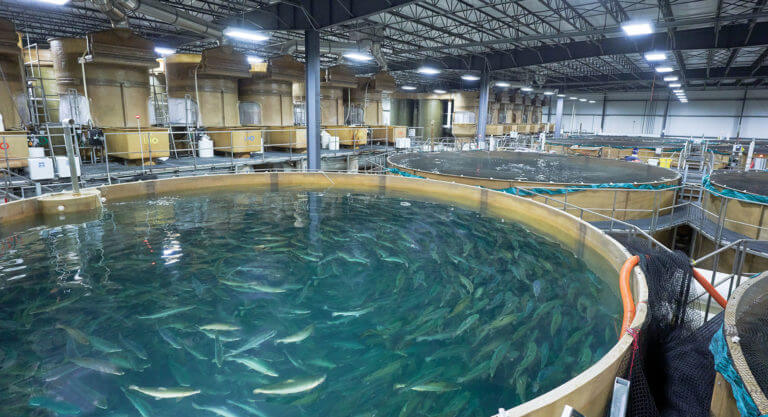
AquaBounty successfully obtained food use approval for their AquAdvantage salmon, although the product has still yet to be sold in the US despite approval in 2015, as discussed here. AquaBounty’s David Frank told me the company has spent an estimated $8.8 million on regulatory activities to date, including:
- $6 million in regulatory approval costs through approval in 2015,
- $1.6 million (and continuing) in legal fees in defense of the regulatory approval,
- $500,000 in legal fees in defense of congressional actions,
- $700,000 in regulatory compliance costs (~$200,000/year for on-going monitoring and reporting, including testing every batch of eggs),
- Not to mention the $20 million spent for maintaining the fish while the regulatory process was ongoing from 1995 through 2015.
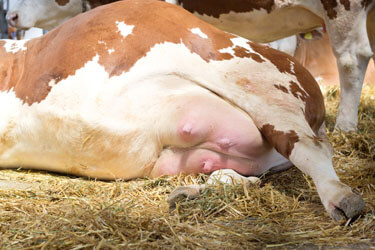
Many other GE livestock applications lacked a sponsor willing to provide upfront financing for this unpredictable and expensive regulatory path. A GE cow designed to be resistant to Staphylococcus aureus mastitis was reported by public sector researchers with the USDA Agricultural Research Service (ARS) in 2005. Mastitis is a disease of the mammary gland and is estimated to cost the global dairy industry $19.7–$32 billion annually. And yet despite this disease burden, this GE cow was never commercialized.
The 30-year net present value of forgoing S. aureus mastitis-resistant dairy cattle was estimated to exceed $10 billion dollars for the United States and European Union, let alone the opportunity cost of diffusion to other major dairy producing countries such as India, and other non-monetary benefits such as improved animal health and welfare, and reduced antibiotic usage.
Recently, the United States Department of Agriculture (USDA) came out with an advance notice of proposed rulemaking which was published in the Federal Register on 12/28/2020. This proposal contemplates moving regulation of GE food animal species developed for agricultural purposes from the FDA to the USDA. FDA would continue its review of amenable species modified or developed using genetic engineering intended for non-agricultural purposes, including medical and pharmaceutical purposes (other than veterinary biologics), and gene therapies; and in non-amenable species. So regulation of genomic alterations in non-food animals would remain with the FDA, as would genetic engineering for non-agricultural purposes.
Under the proposed regulatory framework for GE animals, USDA’s Animal and Plant Health Inspection Service (APHIS) would conduct a safety assessment of animals that have been modified or developed using genetic engineering with a specific eye to alterations that may increase the animal’s susceptibility to pests or diseases of livestock, including zoonotic diseases, or ability to transmit the same. The Food Safety and Inspection Service (FSIS) would also conduct a pre-slaughter food safety assessment to ensure that the slaughter and processing of certain animals modified or developed using genetic engineering would not result in a product that is adulterated or misbranded, as they currently do with animals produced using conventional breeding.




There are real opportunity costs associated with delaying the introduction of GE technologies to address pressing disease problems. There is a need to consider both the costs and benefits in regulatory evaluations of new technologies, as is done with vaccine approvals, and to explicitly factor in the substantial opportunity costs associated with delaying the adoption of beneficial genetic innovations.
Decisions are made by those who show up, as they say, and I hope those with an interest in evidence-driven and risk-proportionate regulation for medical products like vaccines, also show up to the comment period to advocate for a science-based, regulatory approval system for the food products of animal biotechnology.
There is a 60-day public comment on the contemplated regulatory framework that closes 2/26/2021. I would encourage all stakeholders with an interest in the regulation of agricultural biotechnology innovations to post comments at the Federal eRulemaking Portal. Supporting documents and any comments that are received on this Advance Notice of Proposed Rulemaking may be viewed here.
Hopefully the use of biotechnology to develop safe and effective coronavirus vaccines will help provide the evidence-based grease to uncork the 35-year commercialization logjam of GE food animals.
Alison Van Eenennaam is an extension specialist in animal biotechnology and genomics, Department of Animal Science, University of California, Davis. Follow her on Twitter @biobeef