‘At this stage, I’m not ready to get vaccinated’: Some Russian doctors refuse to take Sputnik V shot, citing efficacy concerns

Credit: EPA/Shutterstock

Moscow opened the doors of Russia’s first 70 vaccination centers [December 2], offering healthcare workers and other crucial groups a shot of Russian-developed vaccine Sputnik V.

Since then, only 15,000 people have been vaccinated, according to Moscow Mayor Sergei Sobyanin. It means that on average, each clinic inoculated about 15 people a day.

…

Empty waiting halls in Moscow clinics and wasted shots could be the symptoms of a larger issue Russia will have to face as the vaccination program expands nationwide: widespread mistrust in its vaccine.

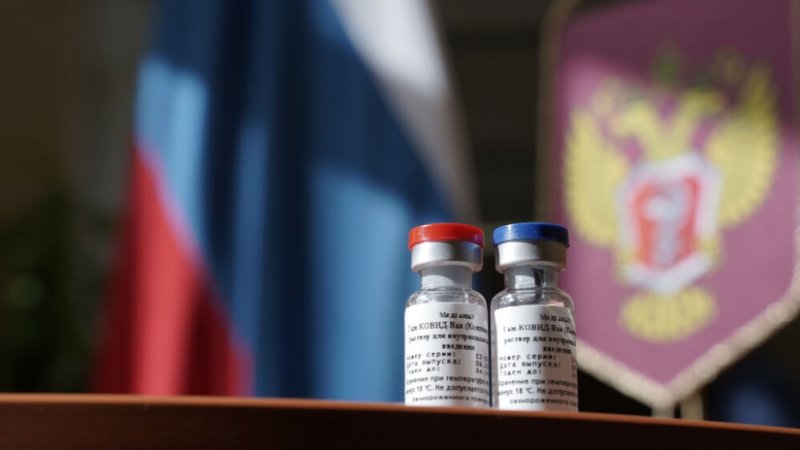
Russia approved its first Covid-19 vaccine, Sputnik V, in August after testing it on several dozen people in a study with great fanfare from state TV.
The news of Sputnik V’s approval ahead of large-scale Phase 3 trials necessary to test the vaccine’s safety and efficacy drew considerable criticism from scientific and medical circles who worried that Russia was short-cutting an established process for political and PR gain.

Mis- and disinformation are distorting science and public policy. Subscribe to our Daily and Weekly Digests for incisive coverage of ‘disruptive’ innovations in AI, agricultural biotechnology, food, chemicals, nuclear energy, vaccines, and other disruptive innovations.

“At this stage, I’m not ready to get vaccinated, as the Russian vaccine is not transparent, and its effectiveness hasn’t been proven,” said Viktoria Alexandrova, a general practitioner in Saint Petersburg. “And all of that because of this absurd political race on who’s going to get the vaccine faster.”

“So maybe in two years,” Alexandrova added.

Read the original post

Related Articles

Infographic: Global regulatory and health research agencies on whether glyphosate causes cancer

Infographic: Global regulatory and health research agencies on whether glyphosate causes cancer

Does glyphosate—the world's most heavily-used herbicide—pose serious harm to humans? Is it carcinogenic? Those issues are of both legal and ...

Most Popular

ChatGPT-Image-Mar-10-2026-01_39_01-PM
Viewpoint—“Miracle molecule” debunked: Why acemannan supplements don’t work
Screenshot-2026-10-07-at-2.00.02-PM
9 wellness myths busted
AI Doctor with a Digital Neural Head
Utah becomes first state to empower AI to bypass doctors and prescribe certain drugs
Concerned-Farmer-at-Golden-Hour
GAHA: The corporate-created “healthier America” movement challenging what it claims is MAHA misinformation about modern farming, chemicals, and food
Screenshot-2026-09-22-at-12.26.15-PM
‘Forever chemical’ concerns: Separating hysteria from reasonable concern in the debate over PFAS danger
Screenshot-2026-10-06-at-11.13.59-AM
RFK Jr.’s plan to curb America’s appetite for ultra-processed foods and artificial dyes blocked by the White House
AI-Force-Uniform-Insignia-Close-Up
Trump wants an AI Force like Space Force, but that could make AI’s risks harder to manage
Screenshot-2026-10-08-at-2.32.00-PM
Abortion rights opponents outraged after FDA says its “safety review” of the already-found-safe mifepristone abortion pill will continue into 2027
Radioactive-Americana-Collage-2
The kooky logic behind the raft of spurious cancer claims from Harvard’s T.H. Chan School of Public Health
glp menu logo outlined

Get news on human & agricultural genetics and biotechnology delivered to your inbox.