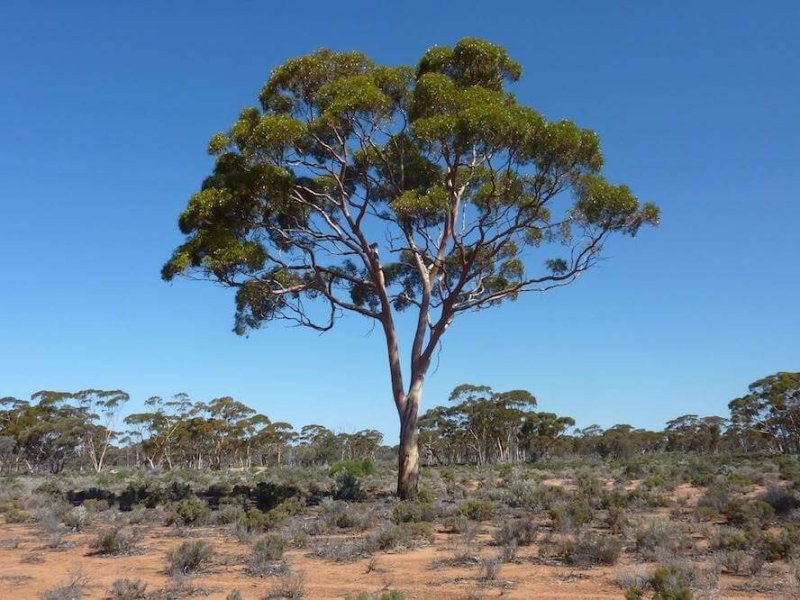
Salt-tolerant, GM Eucalyptus tree has no adverse effects on biodiversity, study finds

Credit: Mel Lintern
Credit: Mel Lintern

[A]n RNA chaperone gene derived from common ice plant (Mesembryanthemum crystallinum), alleviated injury and loss of biomass production by salt stress in Eucalyptus camaldulensis in a semi-confined screen house trial. 

In this study, we assessed the potential environmental impact of the transgenic Eucalyptus in a manner complying with Japanese biosafety regulatory framework required for getting permission for experimental confined field trials. 

Two kinds of bioassays for the effects of allelopathic activity on the growth of other plants, i.e., the sandwich assay and the succeeding crop assay, were performed for three transgenic lines and three non-transgenic lines. 

Follow the latest news and policy debates on sustainable agriculture, biomedicine, and other ‘disruptive’ innovations. Subscribe to our newsletter.

No significant differences were observed between transgenic and non-transgenic plants. No significant difference in the numbers of cultivable microorganisms analyzed by the spread plate method were observed among the six transgenic and non-transgenic lines. 

These results suggested that there is no significant difference in the potential impact on biodiversity between the transgenic McRBP-E. camaldulensis lines and their non-transgenic comparators.


Read the original post

{{ reviewsTotal }}{{ options.labels.singularReviewCountLabel }}
{{ reviewsTotal }}{{ options.labels.pluralReviewCountLabel }}
{{ options.labels.newReviewButton }}
{{ userData.canReview.message }}

Related Articles

Infographic: Global regulatory and health research agencies on whether glyphosate causes cancer

Infographic: Global regulatory and health research agencies on whether glyphosate causes cancer

Does glyphosate—the world's most heavily-used herbicide—pose serious harm to humans? Is it carcinogenic? Those issues are of both legal and ...

Most Popular

Picture1-5
Science Disinformation Gap: The transatlantic battle over social media and censorship
Screenshot-2026-04-23-at-11.00.36-AM
Regulators' dilemma: Thalidomide, Metformin, and the cost of getting drug approvals wrong
ChatGPT-Image-May-12-2026-08_39_41-PM
GLP podcast: Big Pharma, Big Ag, Big Food—health harming industries or life-saving innovators?
Screenshot-2026-05-12-at-9.58.31-PM
'He seems fine': Marty Makary out as FDA commissioner
ChatGPT Image May 10, 2026, 08_16_59 PM 2
Overmedicalization? RFK Jr.’s antidepressant crackdown raises conflict questions over his fee stake in Wisner Baum, the tort firm built on suing drug makers
Picture1-1
Cooling the planet with balloons: Could a geoengineering gamble slow global warming?
Screenshot-2026-05-12-at-10.05.11-AM
Pro-vaccine “hero” vs. an anti-vax “villain”: ‘Bad Vaxx’ video stirs MAHA backlash

ChatGPT Image May 12, 2026, 10_19_00 AM 2
Viewpoint— 'Muscular governance': How authoritarianism is surging corporate-linked energy misinformation
Screenshot-2026-05-11-104424
Hantavirus outbreak research: Trump administration shut down study last year on rodent-to-human transmission
Screenshot-2026-05-01-at-1.29.41-PM
Viewpoint: What happens when whole grains meet modern food manufacturing? Labels don’t tell the whole story.
S
As vaccine rejectionism spreads, measles may be taking a more dangerous turn
images
The never-ending GMO debate: Pros and cons
Picture1-14
When superbugs threaten vulnerable children: Can AI help solve antibiotic resistance?
glp menu logo outlined

Get news on human & agricultural genetics and biotechnology delivered to your inbox.