EPA blocks state-level attempts to ease restrictions on drift-prone dicamba weedkiller

unnamed file

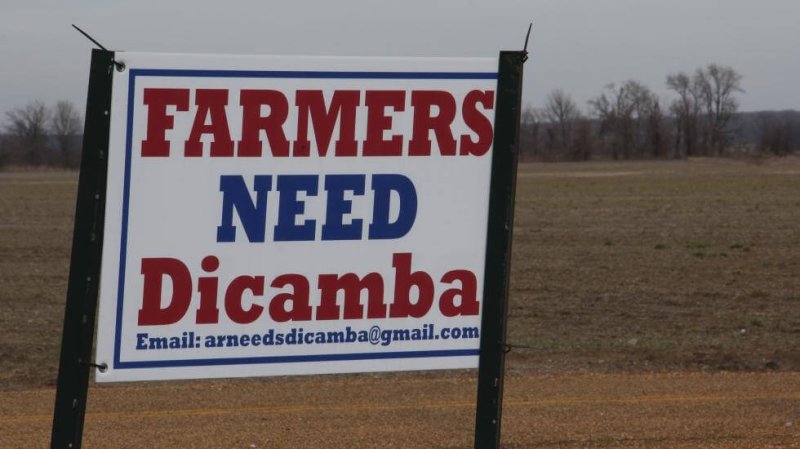
EPA said it intends to deny an attempt by North Carolina to extend the cutoff dates for dicamba to accommodate late-planted cotton and soybean fields. The state was working to move the federal cutoff of June 20 for soybeans and July 30 for cotton out to July 31 for both crops.

Several states are trying to institute similar dicamba spray extensions via Section 24(c) special local needs labels, which allow states to add additional uses to federal pesticide labels. 

At issue, however, is legal liability for the agency, explained Michal Freedhoff, acting assistant administrator for the Office of Chemical Safety and Pollution Prevention (OCSPP).

The agency re-registered the three dicamba herbicides in 2020, after a federal court vacated the EPA’s 2018 dicamba registrations …. The court told EPA it failed to properly assess the risks of in-season dicamba use in 2018, and the 2020 labels are the agency’s attempt to fix that, Freedhoff said. The agency is already facing multiple lawsuits over those new labels.

Follow the latest news and policy debates on sustainable agriculture, biomedicine, and other ‘disruptive’ innovations. Subscribe to our newsletter.

“I could imagine a scenario where a court would say, ‘You’ve told us the 2020 label measures are sufficient, and yet you told a bunch of states that they don’t have to use them anymore,'” she said. “And that, I think, could have ended up with a bad outcome for everybody, not just one state.”


Read the original post

{{ reviewsTotal }}{{ options.labels.singularReviewCountLabel }}
{{ reviewsTotal }}{{ options.labels.pluralReviewCountLabel }}
{{ options.labels.newReviewButton }}
{{ userData.canReview.message }}

Related Articles

Infographic: Global regulatory and health research agencies on whether glyphosate causes cancer

Infographic: Global regulatory and health research agencies on whether glyphosate causes cancer

Does glyphosate—the world's most heavily-used herbicide—pose serious harm to humans? Is it carcinogenic? Those issues are of both legal and ...

Most Popular

Screenshot-2026-04-22-at-12.21.32-PM
Viewpoint: Why the retracted Monsanto glyphosate study doesn’t change the science—the world’s most popular herbicide is safe 
ChatGPT-Image-Apr-16-2026-02_56_53-PM
Financial incentives, over diagnosis, and weak oversight: Autism claims are driving up Medicare costs
Picture1
The FDA couldn’t find a vaccine safety crisis, so it buried its own research
global warming
‘Implausible’: Top climate scientists reject worst-case scenario—soaring temperatures and fast-rising sea levels
ChatGPT-Image-May-1-2026-11_42_59-AM-2
Viewpoint: NAD is the wellness grifters latest evidence-lite longevity fad. At least the mice are impressed.

Sorry. No data so far.

glp menu logo outlined

Get news on human & agricultural genetics and biotechnology delivered to your inbox.