Still-unnamed rare genetic disease linked to abnormal brain development in children

Credit: Aksakal/Depositphotos

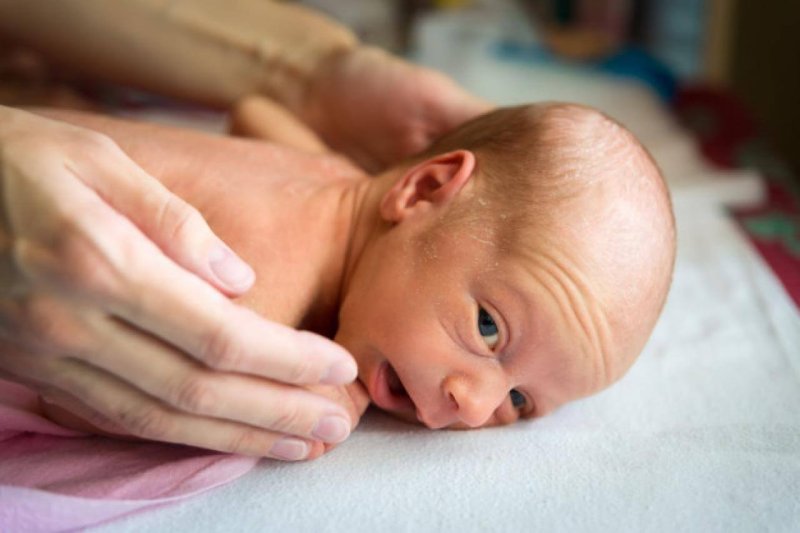
Scientists have discovered a new genetic disease, which causes some childrenโ€™s brains to develop abnormally, resulting in delayed intellectual development and often early onset cataracts.

The majority of patients with the condition, which is so new it doesnโ€™t have a name yet, were also microcephalic, a birth defect where a babyโ€™s head is smaller than expected when compared to babies of the same sex and age.

Researchers from the universities of Portsmouth and Southampton found that changes in a gene called coat protein complex 1 (COPB1) caused this rare genetic disease.

Now the variant has been identified, it will help clinicians come up with targeted interventions to help patients and their families, also opening the door to screening and prenatal diagnosis.

Follow the latest news and policy debates on sustainable agriculture, biomedicine, and other ‘disruptive’ innovations. Subscribe to our newsletter.

Co-author Diana Baralle, Professor of Genomic medicine and a clinical geneticist at the University of Southampton, said: โ€œNext generation sequencing is transforming our ability to make new diagnoses and discover new causes for rare disorders. This story started with sisters I saw in clinic without a known underlying cause for their signs and symptoms. Looking closely at their genes, along with further functional molecular work and xenopus studies, we saw that this was a new previously undescribed syndrome. A diagnosis is so important to the family.โ€

Read the original post

{{ reviewsTotal }}{{ options.labels.singularReviewCountLabel }}
{{ reviewsTotal }}{{ options.labels.pluralReviewCountLabel }}
{{ options.labels.newReviewButton }}
{{ userData.canReview.message }}

Related Articles

Infographic: Global regulatory and health research agencies on whether glyphosate causes cancer

Infographic: Global regulatory and health research agencies on whether glyphosate causes cancer

Does glyphosateโ€”the world's most heavily-used herbicideโ€”pose serious harm to humans? Is it carcinogenic? Those issues are of both legal and ...

Most Popular

Screenshot-2026-04-20-at-2.26.27-PM
Viewpoint โ€” Food-fear world: The latest activist scientists campaign: Cancer-causing additives
Screenshot-2026-03-13-at-12.14.04-PM
The FDA wants to make many popular prescription drugs OTCโ€”a great idea. Hereโ€™s why itโ€™s unlikely to happen
Screenshot-2026-05-04-at-12.54.32-PM
How Utah became the countryโ€™s supplement capitalย  โ€” and a haven for unregulated, ineffective and fake products
Screenshot-2026-05-01-at-11.56.24-AM
โ€˜Science moves forward when people are willing to think differentlyโ€™: Memories of DNA maverick Craig Venter
Screenshot-2026-04-03-at-11.15.51-AM
Paraben panic: How a flawed study, media hype, and chemophobia convinced the public of the danger of one of the safest classes of preservatives
Screenshot-2026-04-30-at-2.19.37-PM
5 myths about summer dehydration that could damage your health โ€” or even kill you
ChatGPT-Image-May-1-2026-02_20_13-PM
How RFK, Jr.โ€™s false vaccine claims are holding up $600 million to fight diseases in poor countries
ChatGPT-Image-Mar-27-2026-11_27_05-AM
The myths of โ€œprocessโ€: What science says about the โ€œdangersโ€™ of synthetic products and ultra-processed foods
viva-la-vida-watermelons
Misinformation and climate change are endangering summer watermelons
Drinking lots of water can help reduce the effects of aging
Nanoplastics in drinking water: MAHA activists forge science-based bipartisan coalitionย 
circular-bioeconomy-should-focus-on-sustainable-wellbeing
GLP podcast: What's wrong with 'doomsday' environmentalism? It's false.
ChatGPT-Image-Mar-10-2026-01_39_01-PM
Viewpointโ€”โ€œMiracle moleculeโ€ debunked: Why acemannan supplements donโ€™t work
glp menu logo outlined

Get news on human & agricultural genetics and biotechnology delivered to your inbox.