Does more and easier to administer: What will the next generation of COVID vaccines look like?

Credit: Biospace
Credit: Biospace

[R]esearchers are racing to develop the next generation of COVID-19 vaccines, utilizing a variety of innovative technologies to produce more convenient and more potent options. Some of the new vaccines are already being tested in volunteers and could even be available for distribution in the next year or so.

Scientists are exploring one set of changes that should be popular with people who don’t like needles.

“We wanted to develop a platform technology where we could easily give a vaccine, and obviously the easiest format to give would be a tablet,” says Sean Tucker, chief scientific officer at Vaxart.

Follow the latest news and policy debates on sustainable agriculture, biomedicine, and other ‘disruptive’ innovations. Subscribe to our newsletter.

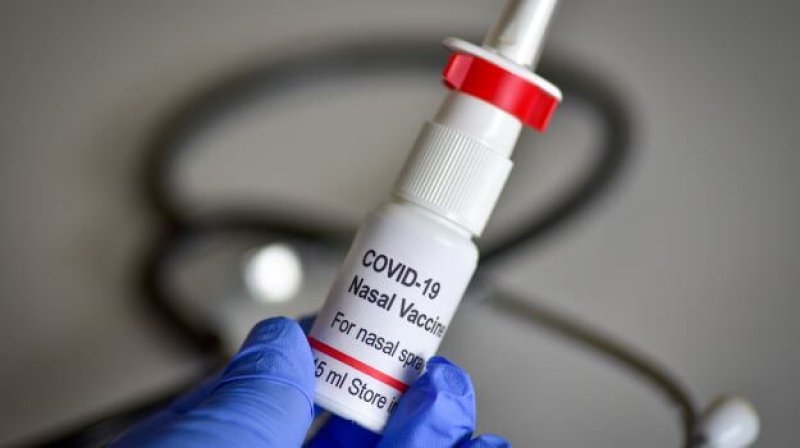
Another vaccine that could be self-administered is a nasal spray vaccine. Frances Lund, chair of the microbiology department at the University of Alabama at Birmingham, is working on that kind of vaccine with the biotech company Altimmune. She says that when you give people a vaccine by injection, the protection is systemic — that is, it works throughout the body.

By contrast, an intranasal vaccine induces two kinds of immunity, Lund says. You still get the systemic protection, she says, “but you will also get immunity directly at the site where you put that vaccine.”

That makes it harder for the coronavirus to sneak in through the nose.

Read the original post

{{ reviewsTotal }}{{ options.labels.singularReviewCountLabel }}
{{ reviewsTotal }}{{ options.labels.pluralReviewCountLabel }}
{{ options.labels.newReviewButton }}
{{ userData.canReview.message }}

Related Articles

Infographic: Global regulatory and health research agencies on whether glyphosate causes cancer

Infographic: Global regulatory and health research agencies on whether glyphosate causes cancer

Does glyphosate—the world's most heavily-used herbicide—pose serious harm to humans? Is it carcinogenic? Those issues are of both legal and ...

Most Popular

Screenshot-2026-04-22-at-12.21.32-PM
Viewpoint: Why the retracted Monsanto glyphosate study doesn’t change the science—the world’s most popular herbicide is safe 
ChatGPT-Image-Apr-16-2026-02_56_53-PM
Financial incentives, over diagnosis, and weak oversight: Autism claims are driving up Medicare costs
Picture1
The FDA couldn’t find a vaccine safety crisis, so it buried its own research
ChatGPT-Image-May-1-2026-11_42_59-AM-2
Viewpoint: NAD is the wellness grifters latest evidence-lite longevity fad. At least the mice are impressed.
global warming
‘Implausible’: Top climate scientists reject worst-case scenario—soaring temperatures and fast-rising sea levels
Screenshot-2026-05-21-at-12.15.17-PM
UK gene-editing milestone: Livestock barley that increases ruminant value and reduces methane emissions is first-approved CRISPR crop
Screenshot-2026-05-21-at-3.15.53-PM
Chiropractors may no longer be modern-day snake oil salesmen, but the benefits of their therapy are limited–at best

Sorry. No data so far.

glp menu logo outlined

Get news on human & agricultural genetics and biotechnology delivered to your inbox.