Struggling with chronic insomnia? Ambien and other pills might work for women short-term but sleep problems usually return

Credit: iStock
Credit: iStock

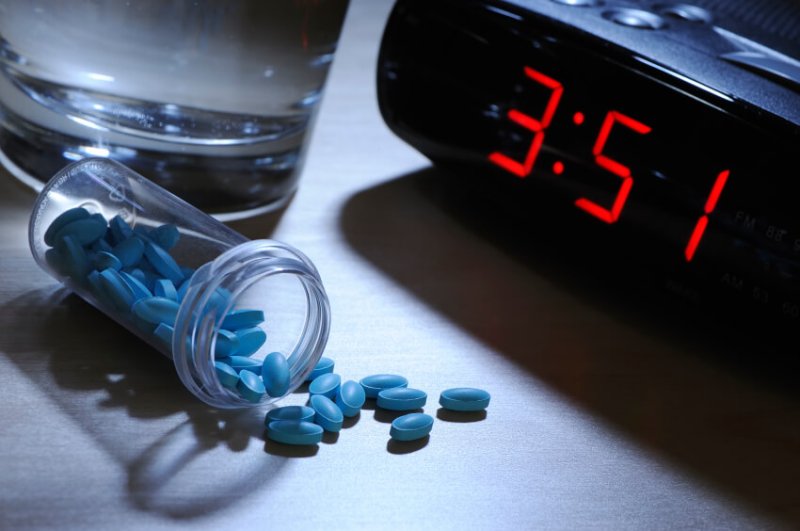
An estimated 9 million Americans say they use prescription medications as sleep aids, including benzodiazepines; Z-drugs, such as zolpidem, zaleplon and eszopiclone; and other anti-anxiety drugs that are prescribed off label.

[Data from a new clinical trial] indicate that many of these drugs work when they are taken for short periods. But because insomnia can be a chronic problem, many people take them longer, and little is known about their long-term benefits, the researchers said.

Follow the latest news and policy debates on sustainable agriculture, biomedicine, and other ‘disruptive’ innovations. Subscribe to our newsletter.

The study backs up experts who say the medications can be tools if they are used in the short term to help people with insomnia get to the point where they can start sleeping better, [neurologist Dr. Alon] Avidan said. “But they cannot be used by themselves.”
The problem with using medication to control insomnia symptoms is “it provides patients with some relief but the sleep they get on medication is more sedation than sleep,” Avidan said.

Treating insomnia patients with medication alone is like giving diabetes patients medication and “then telling them they don’t need to exercise and they can go ahead and eat all the candy and junk food they want,” Avidan said.


Read the original post

{{ reviewsTotal }}{{ options.labels.singularReviewCountLabel }}
{{ reviewsTotal }}{{ options.labels.pluralReviewCountLabel }}
{{ options.labels.newReviewButton }}
{{ userData.canReview.message }}

Related Articles

Infographic: Global regulatory and health research agencies on whether glyphosate causes cancer

Infographic: Global regulatory and health research agencies on whether glyphosate causes cancer

Does glyphosate—the world's most heavily-used herbicide—pose serious harm to humans? Is it carcinogenic? Those issues are of both legal and ...

Most Popular

Screenshot-2026-05-01-at-1.29.41-PM
Viewpoint: What happens when whole grains meet modern food manufacturing? Labels don’t tell the whole story.
S
As vaccine rejectionism spreads, measles may be taking a more dangerous turn
ChatGPT-Image-Apr-13-2026-02_20_22-PM
Viewpoint: Misinformation infodemic? Why assessing evidence is so challenging 
Screenshot-2026-04-20-at-2.26.27-PM
Viewpoint — Food-fear world: The latest activist scientists campaign: Cancer-causing additives
ChatGPT Image May 10, 2026, 08_16_59 PM 2
Overmedicalization? RFK Jr.’s antidepressant crackdown raises conflict questions over his fee stake in Wisner Baum, the tort firm built on suing drug makers
ChatGPT-Image-Mar-27-2026-11_47_30-AM-2
FDA’s expedited drug reviews are hailed in some quarters but other approval practices are problematic
Screenshot-2026-03-13-at-12.14.04-PM
The FDA wants to make many popular prescription drugs OTC—a great idea. Here’s why it’s unlikely to happen
Picture1-5
Science Disinformation Gap: The transatlantic battle over social media and censorship
bigstock opioids on chalkboard with rol
GLP podcast: 'Safe injection sites': enabling drug addiction or saving lives?
circular-bioeconomy-should-focus-on-sustainable-wellbeing
GLP podcast: What's wrong with 'doomsday' environmentalism? It's false.
Screenshot-2026-04-12-135256
Bixonimania: The fake disease scam that AI swallowed whole
glp menu logo outlined

Get news on human & agricultural genetics and biotechnology delivered to your inbox.