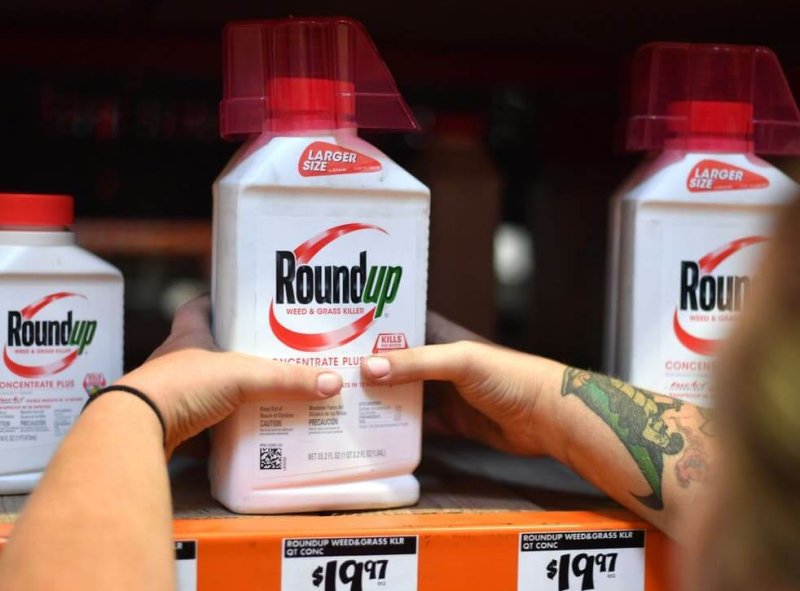
Bayer has announced [May 27] a series of actions it plans to implement following the denial of the motion to preliminarily approve the Roundup™ class settlement agreement, designed to address potential future litigation, by Judge Vince Chhabria of the U.S. District Court for the Northern District of California.
The company says the new package of measures, which combine a number of legal and commercial actions, is designed to help the company achieve a level of risk mitigation that is comparable to the previously proposed national class solution.
The court’s decision closes the door on an MDL court-supervised national class solution to manage potential future litigation, which would have been the fairest, most efficient mechanism for all parties. Still, we have legal and commercial options that together will achieve a similar result in mitigating future litigation risk, and we will pursue them as quickly as possible. Significantly, the weight of scientific evidence and the conclusions of all expert regulators worldwide continue to support the safety of glyphosate-based herbicides. Last week, the U.S. Environmental Protection Agency (EPA) filed a brief with the U.S. Court of Appeals for the 9th Circuit in which it affirmed once again that glyphosate ‘poses no human-health risks of concern.’ Thus, these actions are being taken exclusively to manage litigation risk and not because of any safety concerns.
The five-point plan includes:
1. Creation and promotion of a new website with scientific studies relevant to Roundup’s™ safety, and a request that EPA approves corresponding language on Roundup™ labels
This will include a reference link to the label for all Roundup™ products that will take consumers and professional users to a website the company will maintain and promote containing scientific studies relevant to the safety concerns at issue in the litigation. Bayer intends to create and maintain this website and promote it to all customer audiences regardless of whether EPA ultimately approves the label addition. Importantly, this website will not make any claims or draw conclusions about the safety of Roundup™; instead, in the interest of transparency and accessibility, it would provide a one-stop resource for consumers and professional users to a significant body of scientific study to help them make their own decisions about their use of the products.

2. While the Company will remain in the residential lawn and garden market, it will immediately engage with partners to discuss the future of glyphosate-based products in the U.S. residential market, as the overwhelming majority of claimants in the Roundup™ litigation allege that they used Roundup™ Lawn and Garden products
None of these discussions will affect the availability of glyphosate-based products in markets for professional and agricultural users.

3. Future claims settlements and independent science advisory panel
The company will explore alternative solutions aimed at addressing potential future Roundup™ claims. Any such programs would help bring resolution to potential future claims brought by individuals. The company also will explore the creation of an independent scientific advisory panel comprised of external scientific experts to review scientific information regarding the safety of Roundup™. The results would be released publicly and added to the website above, actions that reflect both the company’s confidence in the safety of Roundup™ and its commitment to scientific rigor and transparency.
4. Ongoing efforts to settle existing claims will be reassessed
The company will continue to be open to settlement discussions, as long as claimants are qualified and resolutions can be reached on appropriate terms. This effort to resolve claims amicably is a step the company is taking in good faith to bring an end to the litigation and liability risk, but it will regularly reassess whether this approach continues to serve the company’s best interests. In June 2020, Bayer announced a comprehensive resolution to all pending cases and claims and most recently reported that the vast majority of these, approximately 96,000 total claims, have been finalized, are in the final stages of resolution or involve claims that are not eligible.
5. Continuing appeals
While not new actions, the appeals of the Hardeman and Pilliod cases will continue through the legal process and can also help manage future liability risk. The Carson case, now before the 11th Circuit Court of Appeals, also raises the same federal preemption issue – whether state-based failure-to-warn claims can stand if they are different from or conflict with federal law – that is central to this litigation. The company has strong legal arguments on its side and a favorable decision by the U.S. Supreme Court by mid-2022 on cross-cutting issues like preemption or expert evidence would significantly reduce future liability risk.
Bayer is confident that this new five-point plan of legal and commercial actions provides an effective path for the company to manage and address any risks from potential future Roundup™ litigation.