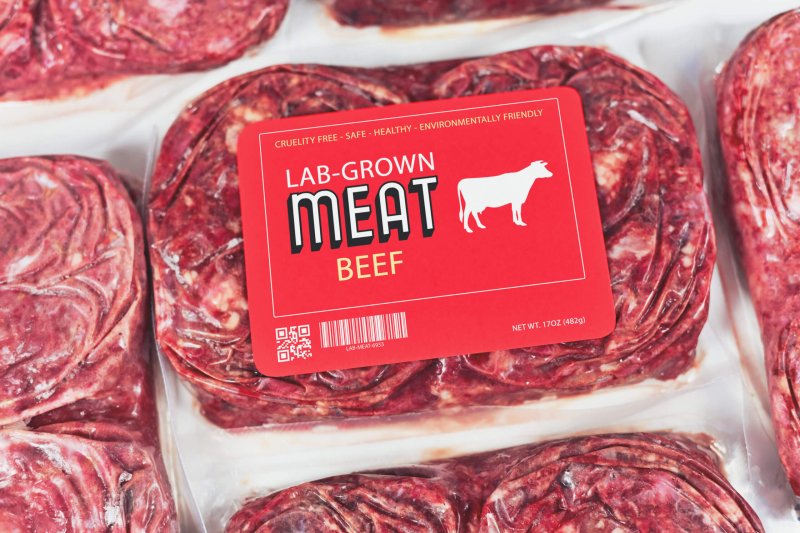
Lab-grown meat promises to cut water and land use by more than 96%. Why are US regulators dragging their feet in approving this ‘sustainable innovation’?

Credit: Getty Images
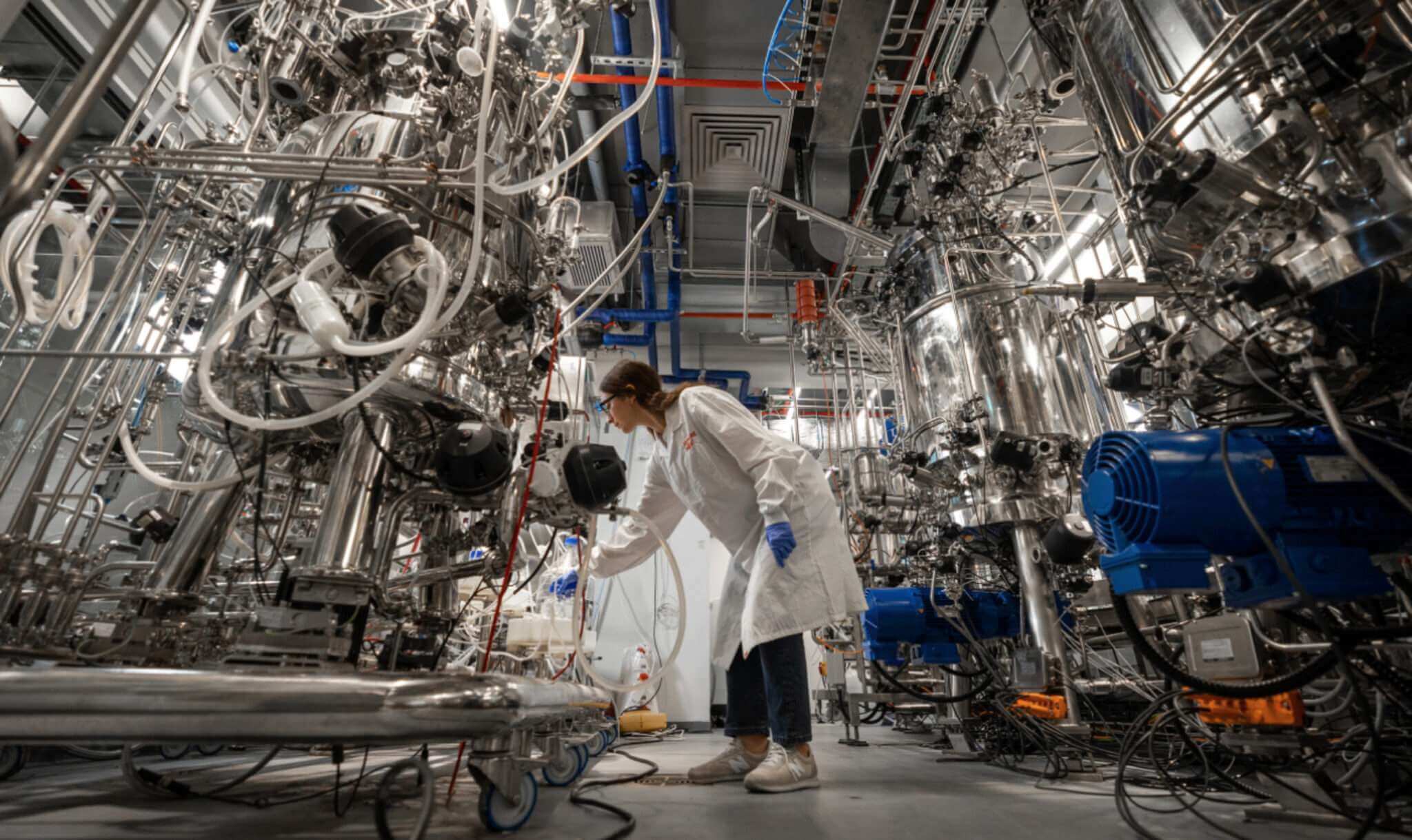
Future Meat Technologies announced [recently] that it can now produce 1,100 pounds of meat daily from animal cells grown in industrial-scale bioreactors at its facilities in Israel. The company is scouting several locations in the U.S to build large-scale plants to grow cultivated chicken, lamb, pork, and beef. It aims to get its cultivated meats into U.S. grocery stores in 2022. Sadly, this timeline may be too optimistic since getting lab-grown meats onto your plate will require approval from two notoriously sluggish federal regulatory agencies, the U.S. Department of Agriculture and the Food and Drug Administration.

The company claims that its “cruelty-free production process is expected to generate 80% less greenhouse emissions and use 99% less land and 96% less freshwater than traditional meat production.” The current cost of four ounces of cultivated chicken breast is around $4, but the company expects to cut that in half in the next year or so. Even at that price, Future Meat Technologies’ chicken breasts would still be a bit more than double the average price of conventionally produced boneless chicken breasts.

Follow the latest news and policy debates on sustainable agriculture, biomedicine, and other ‘disruptive’ innovations. Subscribe to our newsletter.

Future Meat Technologies founder Yaakov Nahmias argues that cultivated steaks, pork chops, and chicken breasts will soon reach price parity with meats produced through traditional animal agriculture. “Our goal is to make cultured meat affordable for everyone, while ensuring we produce delicious food that is both healthy and sustainable, helping to secure the future of coming generations,” said Nahmias in a statement.

Credit: Future Meat Technologies

Future Meat Technologies is at the forefront of a growing wave of cultivated meat companies that seek to produce tasty animal proteins using only animal cells grown in bioreactors. Earlier this month, consulting firm McKinsey & Company noted in a new article, “Cultivated meat: Out of the lab, into the frying pan,” that there are about 100 cultivated meat startups around the world. McKinsey’s analysts point out that the cost of producing slaughter-free meats has been dropping dramatically and estimate that prices will fall below $5 per pound this decade.

“Currently, the world primarily eats the meat of animals that are the easiest to farm industrially, but cultivated meat won’t face those constraints,” notes the report. “Instead, the industry could select cell lines from specific animals with the best traits, such as Wagyu beef [$212 per pound] or wild salmon [$25 per pound], and replicate them at the same cost as, say, beef patties [$2.48 per pound] or tilapia [$4.16 per pound]. The McKinsey report notes that some companies are already exploring ways to cultivate exotic meats such as kangaroo, water buffalo, and alpaca.

Another big advantage of meat factories is that they can be located anywhere in the world, even near cities. In addition, since cultivated meats are grown in disease-free bioreactors, consumers may come to regard them as safer than slaughterhouse meats.
Credit: Future Meat Technologies

Let’s consider a scenario in which half of all the meat eaten by Americans was grown in bioreactors by 2050. Currently, about 41 percent of the land area (780 million acres) of the contiguous United States is devoted to pasturage and livestock feed. Cutting that in half could free up 390 million acres that could revert to nature. That is an area that is nearly four times bigger than all national and state parks and wilderness areas in the contiguous U.S.

Ronald Bailey is the science correspondent for Reason magazine and the author, most recently, of The End of Doom (2015). Follow him on Twitter @RonaldBailey

A version of this artice was originally posted at Reason and is reposted here with permission. Reason can be found on Twitter @reason


{{ reviewsTotal }}{{ options.labels.singularReviewCountLabel }}
{{ reviewsTotal }}{{ options.labels.pluralReviewCountLabel }}
{{ options.labels.newReviewButton }}
{{ userData.canReview.message }}

Related Articles

Infographic: Global regulatory and health research agencies on whether glyphosate causes cancer

Infographic: Global regulatory and health research agencies on whether glyphosate causes cancer

Does glyphosate—the world's most heavily-used herbicide—pose serious harm to humans? Is it carcinogenic? Those issues are of both legal and ...

Most Popular

ChatGPT-Image-Jun-30-2026-01_09_47-PM
Viewpoint: As MAHA blows up over Supreme Court ruling limiting glyphosate litigation, Trump offers toothless plan to reduce pesticides in food
ChatGPT-Image-Mar-4-2026-09_39_03-AM
Transgender female athletes and Title IX: Separating ‘policy’ from ‘legality’
ChatGPT-Image-Jun-23-2026-12_19_35-PM
Ideological red flag: Led by anti-vax doctor, Tennessee is now the U.S. epicenter selling potent ivermectin shown worthless to prevent or treat Covid
Screenshot-2026-06-30-at-2.06.25-PM
PEW study: The sick state of American health information
ChatGPT-Image-Jun-25-2026-12_23_17-PM
No, Bill Gates did not secretly engineer ticks to promote veganism
marijuana-pot-in-hand-nveri-st-xpm-t-abq-fkifeos-s-rws-cmpx-
Facts & Fallacies podcast: Legalized weed drives drug addiction, psychosis?
photodune farming tractor s
Viewpoint: Glyphosate may be hazardous, but it is not dangerous as used by farmers. Critics of the Supreme Court’s Roundup ruling garble hazard with risk
Screenshot-2026-06-17-at-12.31.01-PM
Viewpoint: The dangerous influence of ‘woke’ post-modernism in science
ChatGPT-Image-Mar-10-2026-01_39_01-PM
Viewpoint—“Miracle molecule” debunked: Why acemannan supplements don’t work
Screenshot-2026-06-30-at-3.08.03-PM
From infrared sauna blankets to collagen gummies, here’s the top 10 social-media-promoted wellness shams
Screenshot-2026-06-30-at-10.43.50-AM
Viewpoint: Why are there no approved bioengineered insect-protected (Bt) apples?
ChatGPT-Image-Jun-25-2026-01_14_50-PM
Viewpoint: Disinformation grift: The wellness industry is a lucrative and mostly worthless marketplace of ‘balms, brews, and baloney’
Trans-flag
Explaining the Supreme Court ruling empowering states to ban transgender female athletes from competing in women’s sports
glp menu logo outlined

Get news on human & agricultural genetics and biotechnology delivered to your inbox.