Viewpoint: Outcomes over ideology — Why biotechnology innovations like pesticides and GM crops are essential tools in advancing regenerative agriculture

Credit: Farm Drop
Credit: Farm Drop

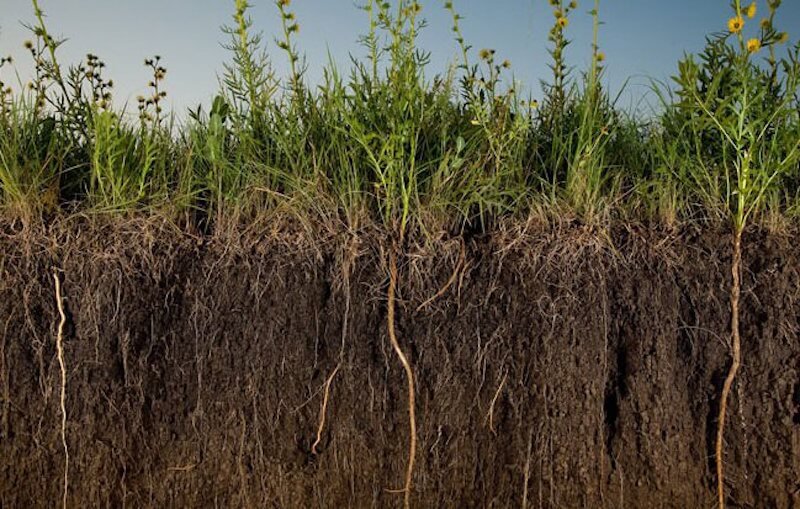
We hear a lot about regenerative agriculture these days, but everyone has their own definition of what this term means. Some of these definitions focus too closely on practices and not on outcomes. At the end of the day, it’s all about soil health.

I would define regenerative agriculture as any approach to farming that ensures the soil remains in as good or better health than when you started farming it. It’s a spectrum of activities and tools focused on an outcome, rather than criteria to be met. 

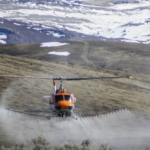
So, how does plant science support regenerative agriculture? Pesticides and biotech crops have enabled farmers to adopt conservation tillage practices that have reduced the need for tillage. Tillage involves plowing the soil to remove weeds. This disrupts the soil structure and makes it more prone to erosion and run-off. When the soil isn’t disturbed by tilling, organic matter builds and soil health increases.
Mis- and disinformation are distorting science and public policy. Subscribe to our Daily and Weekly Digests for incisive coverage of ‘disruptive’ innovations in AI, agricultural biotechnology, food, chemicals, nuclear energy, vaccines, and other disruptive innovations.

Some people believe that regenerative agriculture can only be achieved by rejecting technology, but this is simply not true and would in fact have the opposite effect. While debates over different practices will continue, we’d all be better served focusing on the outcomes we are trying to achieve. 

Read the original post

Related Articles

Infographic: Global regulatory and health research agencies on whether glyphosate causes cancer

Infographic: Global regulatory and health research agencies on whether glyphosate causes cancer

Does glyphosate—the world's most heavily-used herbicide—pose serious harm to humans? Is it carcinogenic? Those issues are of both legal and ...

Most Popular

Screenshot-2026-09-16-at-2.26.42-PM
Viewpoint: How to ecologically damage America’s forests: Ban glyphosate
Screenshot-2026-09-20-at-9.03.54-AM
From Malaysia to the world: A pioneering science communicator reimagines global science communication for a digital age
Screenshot-2026-09-20-at-4.31.28-PM
White House drafting executive order to control what OMB Director Vought claims are “woke” NIH science grants
ChatGPT-Image-Mar-10-2026-01_39_01-PM
Viewpoint—“Miracle molecule” debunked: Why acemannan supplements don’t work
ChatGPT-Image-Sep-17-2026-12_28_43-PM
Vitamin D, omega-3 fish oil and glucosamine supplements could cause brain damage 
ChatGPT-Image-Sep-20-2026-04_22_32-PM
What’s Trump’s ‘AI Force’? Administration rushes to announce ill-defined watchdog agency and czar amid criticism of its resistance to curb AI acceleration
ChatGPT-Image-Sep-18-2026-10_49_24-AM
‘Symptom borrowing’: Young people are copying health problems they see on TikTok
ChatGPT-Image-Sep-11-2026-01_53_42-PM
Should doctors engage in social media to counter misinformation?
Screenshot-2026-08-12-at-11.31.46-AM
AI is helping develop new vaccines
Screenshot-2026-09-10-at-12.20.19-PM
'Jet fuel didn't melt the steel': 9/11 conspiracy theories debunked
Screenshot-2026-09-14-at-4.31.14-PM
Viewpoint: What’s the likely impact when the EPA loosens rules limiting methane pollution from oil and gas wells?
Screenshot-2026-08-19-at-6.19.42-PM
Facts & Fallacies podcast: 'Regenerative farming'? RFK Jr.’s federal push romanticizes the past and risks food security
Screenshot-2026-09-17-at-10.24.54-AM
Viewpoint: Dubious environmental fears: Why the AI buildout is critical to America’s ecological future
glp menu logo outlined

Get news on human & agricultural genetics and biotechnology delivered to your inbox.