How women are recruited into the international human egg trade business

Credit: STAT News
Credit: STAT News

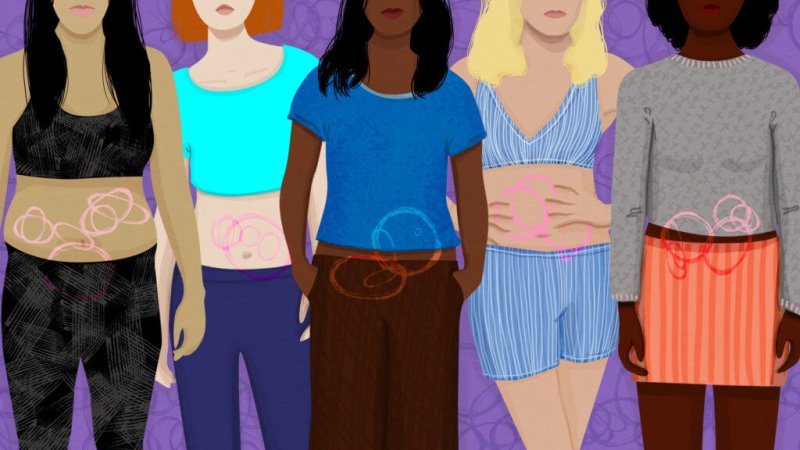
Young women are recruited into the global egg trade through shrewd emotional marketing techniques and a skillful manipulation of their emotions during the process, according to research published in the journal Gender, Work and Organization. Coauthors Diane Tober, at the University of California San Francisco, and Charlotte Krolokke, at the University of Southern Denmark, in Odense, describe an addictive formula that combines an appeal to altruism with the lure of money and foreign adventure, while playing down the realities of egg donation.

Step one: frame egg donation in just the right way.

Very often, that first impression takes place online. Instagram, Facebook, Spotify, Twitter and other platforms serve up ads targeted specifically to young women, especially those with financial stresses like student debt. Sometimes women find themselves reading egg donation websites after searching phrases like “easy ways to make money.”

Follow the latest news and policy debates on sustainable agriculture, biomedicine, and other ‘disruptive’ innovations. Subscribe to our newsletter.

Step two: reinforce that what she’s doing is amazing.

After the donor expresses interest, she gets a response. What she’s doing, she’s told, is a really amazing thing. Egg donors are so badly needed! Fill out the paperwork, go through the preliminary screenings, and let’s get started.


Read the original post

{{ reviewsTotal }}{{ options.labels.singularReviewCountLabel }}
{{ reviewsTotal }}{{ options.labels.pluralReviewCountLabel }}
{{ options.labels.newReviewButton }}
{{ userData.canReview.message }}

Related Articles

Infographic: Global regulatory and health research agencies on whether glyphosate causes cancer

Infographic: Global regulatory and health research agencies on whether glyphosate causes cancer

Does glyphosate—the world's most heavily-used herbicide—pose serious harm to humans? Is it carcinogenic? Those issues are of both legal and ...

Most Popular

Screenshot-2026-03-13-at-12.14.04-PM
The FDA wants to make many popular prescription drugs OTC—a great idea. Here’s why it’s unlikely to happen
Screenshot-2026-05-04-at-12.54.32-PM
How Utah became the country’s supplement capital  — and a haven for unregulated, ineffective and fake products
Screenshot-2026-04-20-at-2.26.27-PM
Viewpoint — Food-fear world: The latest activist scientists campaign: Cancer-causing additives
Screenshot-PM-24
Viewpoint: The herbicide glyphosate isn’t perfect. Banning it would be far worse.
images
The never-ending GMO debate: Pros and cons
Screenshot-2026-05-01-at-11.56.24-AM
‘Science moves forward when people are willing to think differently’: Memories of DNA maverick Craig Venter
Screenshot-2026-04-03-at-11.15.51-AM
Paraben panic: How a flawed study, media hype, and chemophobia convinced the public of the danger of one of the safest classes of preservatives
Screenshot-2026-04-30-at-2.19.37-PM
5 myths about summer dehydration that could damage your health — or even kill you
bigstock opioids on chalkboard with rol
GLP podcast: 'Safe injection sites': enabling drug addiction or saving lives?
ChatGPT-Image-May-1-2026-02_20_13-PM
How RFK, Jr.’s false vaccine claims are holding up $600 million to fight diseases in poor countries
glp menu logo outlined

Get news on human & agricultural genetics and biotechnology delivered to your inbox.