Viewpoint: 13 million American children go undernourished each day. Fad-based conventional food criticisms make the problem worse

Credit: MD Duran/Unsplash

As many as 1 in 6 kids in the United States are living in a food insecure household. These 13 million children across the country are likely missing meals, not getting enough food when they do eat, and aren’t getting the correct nutrients. An additional 29 million adults are also facing food insecurity this year. Food insecurity causes are often attributed to things such as unemployment and poverty rates, however there is an additional factor statisticians should consider.

Follow the latest news and policy debates on sustainable agriculture, biomedicine, and other ‘disruptive’ innovations. Subscribe to our newsletter.

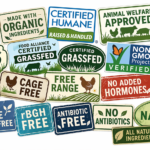
Fear-mongering of conventional food choices — which are often more affordable, more abundant, and more accessible — may be contributing to food insecurity and mental health in the U.S. Advertising from some big companies combined with influencers continue to market certain food products as healthier, “better for you,” and especially prey on families feeding children. Labels like organic, non-GMO, no added hormones, antibiotic free, and others are touted to be a superior product than the conventional products, and this is reflected in the price.

Families who may be food-secure if they were to purchase the affordable conventional product may be guilted into purchasing more expensive food options and therefore have to limit the amount of food they are purchasing. 

This is an excerpt. Read the original post here.

{{ reviewsTotal }}{{ options.labels.singularReviewCountLabel }}
{{ reviewsTotal }}{{ options.labels.pluralReviewCountLabel }}
{{ options.labels.newReviewButton }}
{{ userData.canReview.message }}

Related Articles

Infographic: Global regulatory and health research agencies on whether glyphosate causes cancer

Infographic: Global regulatory and health research agencies on whether glyphosate causes cancer

Does glyphosate—the world's most heavily-used herbicide—pose serious harm to humans? Is it carcinogenic? Those issues are of both legal and ...

Most Popular

Screenshot-2026-04-13-at-3.54.04-PM
AI disinformation stress test: Challenges and response strategies
ChatGPT-Image-Feb-16-2026-01_04_32-PM
Raw milk myth wake-up call
Screenshot-2026-04-15-at-1.22.58-PM
Anti-biotechnology activists smear hybrid wheat breakthrough that could surge yields in poorer countries
ChatGPT-Image-Mar-11-2026-11_58_46-AM
The Trump administration has run out more than 4,000 National Institutes of Health employees. Here are the consequences
ChatGPT-Image-Apr-17-2026-03_30_52-PM
Food labels, decoded: What they really mean
Screenshot-2026-04-14-at-12.51.09-PM
Public health advocates turn to influencers to fight online misinformation

Sorry. No data so far.

glp menu logo outlined

Get news on human & agricultural genetics and biotechnology delivered to your inbox.