Which genetically engineered plant traits need US government approval? Federal government offers new guidance

Scientist oversees genetically modified crops. Credit: Anindito Mukherjee/Reuters

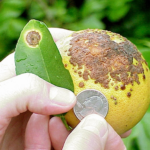
USDA’s Animal and Plant Health Inspection Service is proposing draft guidance for a new regulatory review process aimed at determining when genetically engineered plants need the department’s approval for commercialization.

Under its new biotech rule issued in May 2020, APHIS is replacing the petition process for approval of genetically modified plants with a regulatory status review (RSR) process under which developers may voluntarily submit information to APHIS for a determination as to whether the modified plant needs USDA approval. 

Many exporters and food companies criticized the proposal for allowing commercialization without notification, but USDA declined to make it mandatory.

Even though the review process is voluntary, most developers whose plants do not already qualify as exempt from regulations under the new rule will eventually have to use the new review process.

Follow the latest news and policy debates on sustainable agriculture, biomedicine, and other ‘disruptive’ innovations. Subscribe to our newsletter.

If a developer requests an RSR, APHIS will evaluate whether it “requires oversight based on the characteristics of the plant itself rather than on the use of a plant pest in its development,” APHIS said on its website. “If a plant developed using genetic engineering is found to be unlikely to pose a plant pest risk, APHIS will not require regulation under 7 CFR part 340.”


This is an excerpt. Read the original post here.

{{ reviewsTotal }}{{ options.labels.singularReviewCountLabel }}
{{ reviewsTotal }}{{ options.labels.pluralReviewCountLabel }}
{{ options.labels.newReviewButton }}
{{ userData.canReview.message }}

Related Articles

Infographic: Global regulatory and health research agencies on whether glyphosate causes cancer

Infographic: Global regulatory and health research agencies on whether glyphosate causes cancer

Does glyphosate—the world's most heavily-used herbicide—pose serious harm to humans? Is it carcinogenic? Those issues are of both legal and ...

Most Popular

Picture1
The Orange Bowl without oranges: Can CRISPR save Florida citrus?
global warming
‘Implausible’: Top climate scientists reject worst-case scenario—soaring temperatures and fast-rising sea levels
vax-misinformation-main
Facts & Fallacies Podcast: Limit free speech to blunt social media misinfo?
ChatGPT Image May 26, 2026, 12_06_53 PM
Fake Ebola cure promoters already cashing in as disinformation videos flood social media
Screenshot 2026-05-22 at 11.31
‘Realistic and durable’: EPA proposes loosening restrictions on some PFAS ‘forever chemicals.’
ChatGPT-Image-May-1-2026-11_42_59-AM-2
Viewpoint: NAD is the wellness grifters latest evidence-lite longevity fad. At least the mice are impressed.
Screenshot-2026-04-22-at-12.21.32-PM
Viewpoint: Why the retracted Monsanto glyphosate study doesn’t change the science—the world’s most popular herbicide is safe 
ChatGPT Image May 24, 2026, 03_16_36 PM
Here come the biohackers' Enhanced Games—The Olympics for athletes doping up on steroids, hormones and peptides. What’s wrong with that?
Screenshot-2026-05-21-at-12.15.17-PM
UK gene-editing milestone: Livestock barley that increases ruminant value and reduces methane emissions is first-approved CRISPR crop
Picture1
The FDA couldn’t find a vaccine safety crisis, so it buried its own research
glp menu logo outlined

Get news on human & agricultural genetics and biotechnology delivered to your inbox.