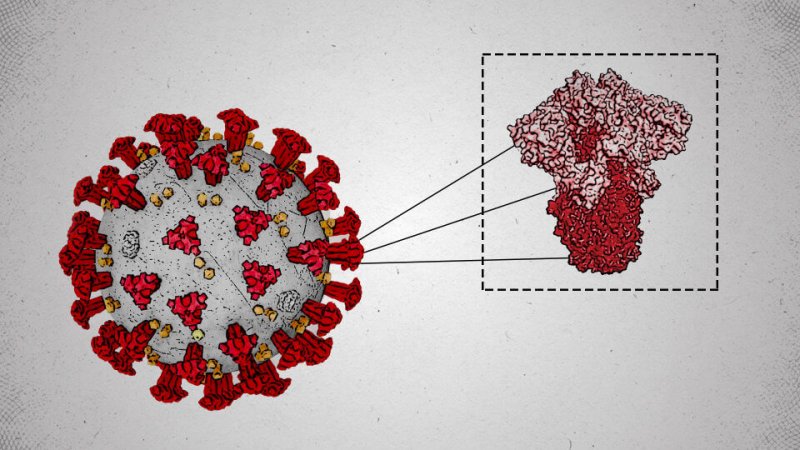

Somewhere in India last October, a person—likely immunocompromised, perhaps taking drugs for rheumatoid arthritis or with an advanced case of HIV/AIDS—developed COVID-19.
Their case might have been mild, but because of their body’s inability to clear the coronavirus it lingered and multiplied. As the virus replicated and moved from one cell to another, parts of the genetic material copied itself incorrectly. Maybe the person lived in a crowded home or went out to buy food in a busy market, but wherever it happened, the altered virus was spread to others. Experts believe this singular situation in one individual is likely how the Delta variant now wreaking havoc in the U.S. and around the world was born.



“Mutations happen when there is viral replication. the best way to stop future variants is to severely limit the amount of viral replication that is occurring in the world,” says David Peaper, a Yale Medicine pathologist who directs the Yale New Haven Hospital Clinical Microbiology Laboratory. That’s why getting everyone in the U.S. and the world vaccinated is the most important thing we can do, he says.