Merck’s experimental drug molnupiravir cuts COVID hospitalizations and deaths in half

Credit: Getty Images

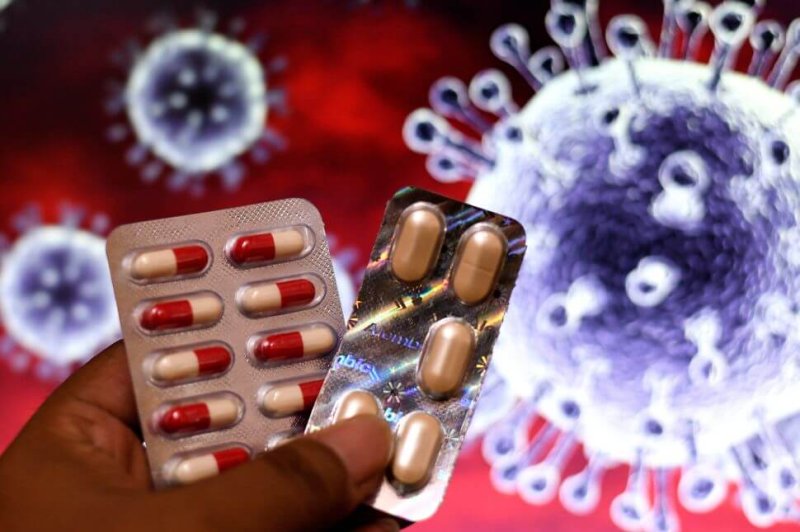
A five-day course of molnupiravir, developed by Merck and Ridgeback Biotherapeutics, reduced both hospitalization and death compared to a placebo. In the placebo group, 53 patients, or 14.1%, were hospitalized or died. For those who received the drug, 28, or 7.3%, were hospitalized or died.

A simple oral medication to help treat Covid-19 has been an elusive goal since the start of the pandemic. Other drugs, including Gilead’s remdesivir, have also been shown to reduce hospitalizations if given early in the course of disease, but must be given intravenously.

Follow the latest news and policy debates on sustainable agriculture, biomedicine, and other ‘disruptive’ innovations. Subscribe to our newsletter.

“If this pans out, it will change the landscape,” said Andy Pavia, chief of the Division of Pediatric Infectious Diseases at University of Utah. “There’s still a lot we need to know. What does the side effect profile look like? Do we know how to dose it in populations that are different such as children and the obese? But as a top-line result, this is definitely exciting.”
If approved, molnupiravir could have a dramatic impact on efforts to fight the pandemic. Merck and Ridgeback said they would seek an emergency use authorization from the Food and Drug Administration “as soon as possible” and would submit it to regulatory agencies worldwide.


This is an excerpt. Read the original post here.

{{ reviewsTotal }}{{ options.labels.singularReviewCountLabel }}
{{ reviewsTotal }}{{ options.labels.pluralReviewCountLabel }}
{{ options.labels.newReviewButton }}
{{ userData.canReview.message }}

Related Articles

Infographic: Global regulatory and health research agencies on whether glyphosate causes cancer

Infographic: Global regulatory and health research agencies on whether glyphosate causes cancer

Does glyphosate—the world's most heavily-used herbicide—pose serious harm to humans? Is it carcinogenic? Those issues are of both legal and ...

Most Popular

ChatGPT-Image-Jul-8-2026-12_32_48-PM
Viewpoint: SCOTUS strikes a blow against junk science in Bayer glyphosate case. Will it deter mass tort litigators?
ChatGPT-Image-Mar-10-2026-01_39_01-PM
Viewpoint—“Miracle molecule” debunked: Why acemannan supplements don’t work
Screenshot-2026-07-08-at-9.36.03-AM
Viewpoint: Long-contained diseases are on the rise in the U.S. Are Trump cuts to blame?
afb-a-b
As the EU loosens restrictions on agricultural gene editing, it remains years behind the rest of the world on equally-safe GMO foods
c9f0a584-46e9-4dd8-9a77-f5f5a7a51a84
Across Eastern Europe, science disinformation has spread far beyond COVID and vaccine denialism. Here’s the grim list.
ChatGPT-Image-Jul-7-2026-01_57_55-PM
Viewpoint: Europe’s rejection of air conditioning is the poster child for misunderstanding how to mitigate the impact of climate change
ChatGPT-Image-Jul-1-2026-03_33_49-PM
‘Alternative’ cancer treatments that could kill you
ChatGPT-Image-Jun-25-2026-12_23_17-PM
No, Bill Gates did not secretly engineer ticks to promote veganism
ChatGPT-Image-Jul-1-2026-12_37_08-PM
Viewpoint: Trump poised to politicize all U.S.-supported science research
Viewpoint: Consensus as truth? How ‘misinformation police’ control policy narratives
Which among war, weather and cyber attacks is the biggest world threat? None of the above. It’s misinformation, and here’s why.
Screenshot 2026-07-11 100209
Viewpoint: Supplements to clean your liver? Not a good idea.
Screenshot-2026-07-10-at-3.10.50-PM
Snake-oil cures throughout history
glp menu logo outlined

Get news on human & agricultural genetics and biotechnology delivered to your inbox.