Mexican biologist outlines multiple benefits of crop biotechnology to a skeptical nation

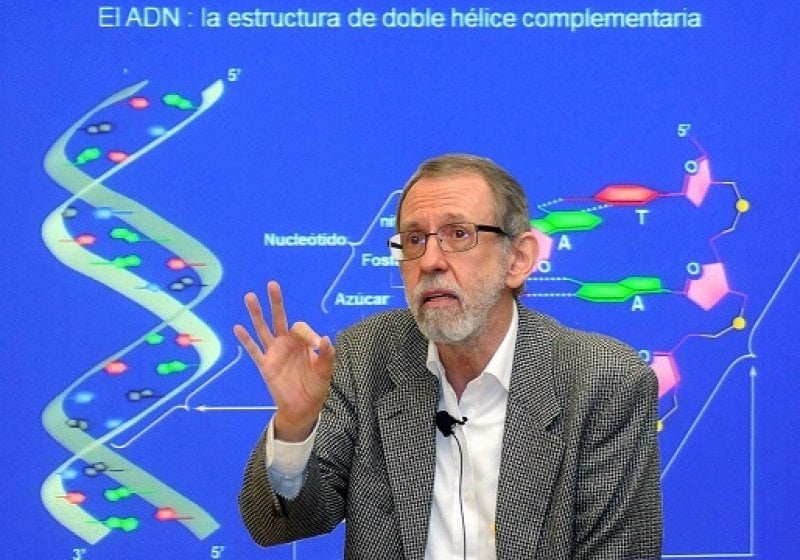
Francisco G. Bolívar Zapata. Credit: Vía Orgánica

According to the molecular biologist Francisco G. Bolívar Zapata, one of the measures that must be taken urgently is the scientific and technical evidence that has been accumulated and used in relation to Genetically Modified Organisms (GMOs) and their multiple benefits, since the information that has been disseminated on transgenics and their products is partial, incomplete and, in some cases, false.

“Regrettably false and irresponsible, transgenic organisms and their products continue to be reviled and demonized without scientific support, as if it were a harmful technology,” said Bolívar Zapata.

Follow the latest news and policy debates on sustainable agriculture, biomedicine, and other ‘disruptive’ innovations. Subscribe to our newsletter.

He also recalled that, despite the fact that some groups do not accept this scientific truth, another of the benefits of modern biotechnology are drugs is there are currently more than a hundred drugs of transgenic origin in pharmacies.

“In Mexico, thanks to these organisms we have medicines against metabolic diseases, human insulin, anticoagulant factors and interferons, which help the immune system. Transgenic organisms are living beings like us humans that are part of nature and that we have to take care of. Cultivars of this type, in addition to controlling pests and weeds, allow increasing the productivity of plants and crops,” he emphasized.

[Editor’s note: This article was originally published in Spanish and has been translated and edited for clarity.]


This is an excerpt. Read the original post here.

{{ reviewsTotal }}{{ options.labels.singularReviewCountLabel }}
{{ reviewsTotal }}{{ options.labels.pluralReviewCountLabel }}
{{ options.labels.newReviewButton }}
{{ userData.canReview.message }}

Related Articles

Infographic: Global regulatory and health research agencies on whether glyphosate causes cancer

Infographic: Global regulatory and health research agencies on whether glyphosate causes cancer

Does glyphosate—the world's most heavily-used herbicide—pose serious harm to humans? Is it carcinogenic? Those issues are of both legal and ...

Most Popular

Screenshot-2026-04-22-at-12.21.32-PM
Viewpoint: Why the retracted Monsanto glyphosate study doesn’t change the science—the world’s most popular herbicide is safe 
ChatGPT-Image-Apr-16-2026-02_56_53-PM
Financial incentives, over diagnosis, and weak oversight: Autism claims are driving up Medicare costs
Picture1
The FDA couldn’t find a vaccine safety crisis, so it buried its own research
ChatGPT-Image-May-1-2026-11_42_59-AM-2
Viewpoint: NAD is the wellness grifters latest evidence-lite longevity fad. At least the mice are impressed.
global warming
‘Implausible’: Top climate scientists reject worst-case scenario—soaring temperatures and fast-rising sea levels
Screenshot-2026-05-21-at-12.15.17-PM
UK gene-editing milestone: Livestock barley that increases ruminant value and reduces methane emissions is first-approved CRISPR crop
Screenshot-2026-05-21-at-3.15.53-PM
Chiropractors may no longer be modern-day snake oil salesmen, but the benefits of their therapy are limited–at best

Sorry. No data so far.

glp menu logo outlined

Get news on human & agricultural genetics and biotechnology delivered to your inbox.