Viewpoint: Can pseudoscience feed us? — Indian sustainability expert challenges anti-ag biotechnology activists

Credit: iStock
Credit: iStock

The internet is swamped with myths, misconceptions, half-truth, and baseless claims propagated by several entities (unqualified individuals in the guise of experts, groups of non-profit organizations sharing common ideologies) with questionable credentials and ostensible motives.

Follow the latest news and policy debates on sustainable agriculture, biomedicine, and other ‘disruptive’ innovations. Subscribe to our newsletter.

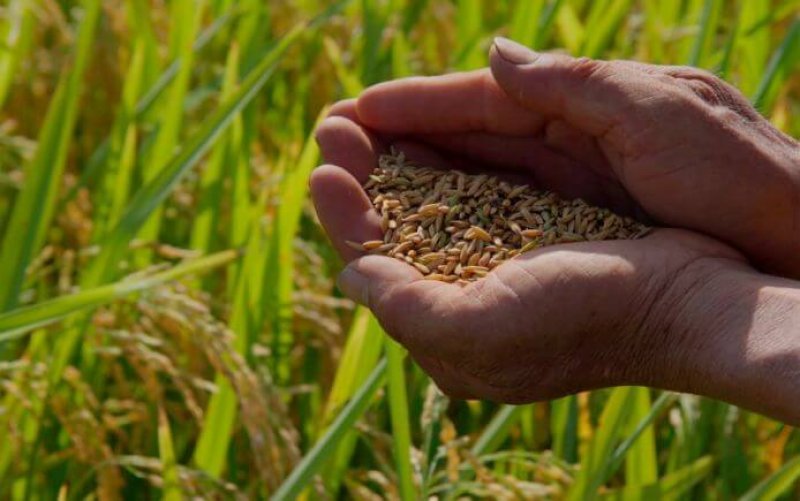
While the plant science industry is working hard to find innovative and sustainable solutions to feed the world of 9 billion by 2030, the true cost of these kinds of counterproductive propaganda is enormous… However, due to unrealistic, borrowed ideologies and unjustified negative propaganda, several beneficial technological innovations are delayed or do not see the light of the day at all. Genetic engineering and the myths surrounding it is one of the classic examples.

These entities with vested interests vociferously spread their ideology-based pseudo-science propaganda among unsuspecting public with zero sensitivity towards real issues. Sometimes the real problem is different from what is perceived or propagated by these entities. 

They neither offer any sensible and workable solutions to solving the greatest socio-economic (hunger, malnutrition, and poverty) or ecological problems (e.g., depletion of natural resources, soil degradation) nor can they justify their claims with strong scientific evidence. 

Raghavan Sampathkumar at Indofil Industries has over 17 years of experience working across Asia Pacific in various sectors such as agri-inputs, protein (animal & plant), international trade, biotechnology, and animal nutrition. 

This is an excerpt. Read the original post here.

{{ reviewsTotal }}{{ options.labels.singularReviewCountLabel }}
{{ reviewsTotal }}{{ options.labels.pluralReviewCountLabel }}
{{ options.labels.newReviewButton }}
{{ userData.canReview.message }}

Related Articles

Infographic: Global regulatory and health research agencies on whether glyphosate causes cancer

Infographic: Global regulatory and health research agencies on whether glyphosate causes cancer

Does glyphosate—the world's most heavily-used herbicide—pose serious harm to humans? Is it carcinogenic? Those issues are of both legal and ...

Most Popular

Screenshot-2026-04-13-at-1.39.26-PM
Viewpoint: ‘Safer for children?’ Stonyfield yogurt under fire for deceptive organic marketing
ChatGPT-Image-May-7-2026-12_16_37-PM-2
Viewpoint: Are cancer rates ‘skyrocketing’ as RFK, Jr. and MAHA claim? The evidence says mostly the opposite
Screenshot-2026-04-22-at-10.46.29-AM
Viewpoint: How to counter science disinformation? Science journalist offers 12 practical tips
Picture1-14
When superbugs threaten vulnerable children: Can AI help solve antibiotic resistance?
Screenshot-2026-04-23-at-11.00.36-AM
Regulators' dilemma: Thalidomide, Metformin, and the cost of getting drug approvals wrong
Picture1-1
Cooling the planet with balloons: Could a geoengineering gamble slow global warming?
ChatGPT-Image-May-12-2026-08_39_41-PM
GLP podcast: Big Pharma, Big Ag, Big Food—health harming industries or life-saving innovators?
bigstock opioids on chalkboard with rol
GLP podcast: 'Safe injection sites': enabling drug addiction or saving lives?

Sorry. No data so far.

glp menu logo outlined

Get news on human & agricultural genetics and biotechnology delivered to your inbox.