GLP Podcast: ‘Fashionable nonsense’ in medicine; Strange history of pregnancy tests; Bayer goes organic

Listen to GLP Science Facts & Fallacies on iTunes, Spotify, Podbean and YouTube Podcasts. Or add the RSS feed to your favorite podcast app. Join our GLP Daily Digest to get these stories and more delivered to your inbox.

Medicine is bowing to academia’s “fashionable nonsense” surrounding a variety of important issues, and the consequences could be serious. Home pregnancy tests are accurate, easy to use and relatively inexpensive—but they weren’t always. Throughout history, prospective parents relied on a number of rather strange methods to confirm a pregnancy. Bayer, one of the largest producers of weedkillers and biotech seeds in the world, is putting new focus on its organic seed business. Is the company just trying to boost its green credentials?

Join geneticist Kevin Folta and GLP contributor Cameron English on this episode of Science Facts and Fallacies as they break down these latest news stories:

From the dangers of alcohol to “quantum healing” and biological sex, medicine is increasingly catering to fashionable but false ideological claims. It’s bad enough when the social sciences embrace dubious ideas, but, according to biologist Alex Berezow, it’s downright deadly when medical journals do it because “public health officials use medical journals to guide decision-making.”

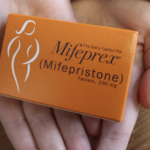
Today, accurate home pregnancy tests are available at any drugstore, but it wasn’t always that way. Would-be mothers in the ancient world were stuck with much less sophisticated methods of pregnancy testing, like urinating on barley and watching to see if it sprouted. It was until the early 20th century that pregnancy testing saw significant technical improvements, and it was still very expensive and thus off-limits to most people—a situation that didn’t change until the late 1970s. What can we learn from this odd bit of medical history?

Bayer, well known as a major of glyphosate-based weedkillers and genetically engineered seeds, turned heads recently by announcing that it would expand its organic seed business starting next year. The company says the move was a response to growing consumer demand for organic vegetables, a market that could worth close to $500 million annually by 2025. Bayer’s decision may seem surprising to the general public, who have been misled by activist groups into believing that conventional and organic agriculture are enemies.

The reality is much less scandalous. Many farmers grow genetically engineered and organic crops, and seed companies are happy to sell them whatever they want.

Kevin M. Folta is a professor, keynote speaker and podcast host. Follow Professor Folta on Twitter @kevinfolta

Cameron J. English is the director of bio-sciences at the American Council on Science and Health. Visit his website and follow ACSH on Twitter @ACSHorg

{{ reviewsTotal }}{{ options.labels.singularReviewCountLabel }}
{{ reviewsTotal }}{{ options.labels.pluralReviewCountLabel }}
{{ options.labels.newReviewButton }}
{{ userData.canReview.message }}
Infographic: Global regulatory and health research agencies on whether glyphosate causes cancer

Infographic: Global regulatory and health research agencies on whether glyphosate causes cancer

Does glyphosate—the world's most heavily-used herbicide—pose serious harm to humans? Is it carcinogenic? Those issues are of both legal and ...
glp menu logo outlined

Get news on human & agricultural genetics and biotechnology delivered to your inbox.