


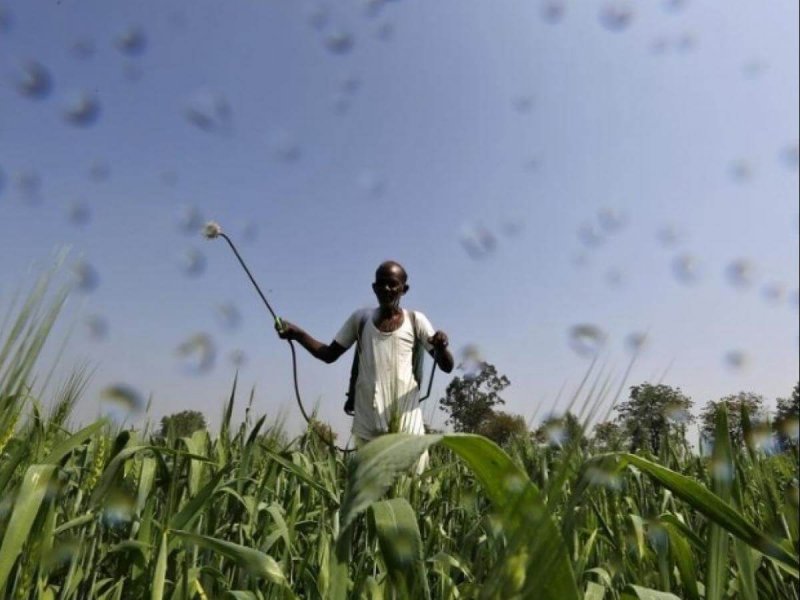
With questions about sustainability and safety from consumers, and efficacy and longevity from farmers, pesticides have many questions that need answers.
A recent report by the U.S. Food and Drug Administration found that 98.7% of domestic food for human consumption were compliant with federal standards and no pesticide residues at all were found in 42.4% of domestic food. Regardless of federal inspections, doubts about safety in the food supply persist.
This week on Seed Speaks, Seed World Group Editorial Director Sonja Begemann is joined by pesticide experts from across North America. Joining the panel is:

- John Jamieson, president and CEO of the Canada Centre for Food Integrity (CFFI). He joined CCFI after several leadership roles within Canadian ag organizations. Jamieson is also a professional agrologist and certified nutrient management planner.
- Fred Whitford, coordinator of Purdue Pesticide Programs. Whitford has co-authored five books, spoken at thousands of events and field days and worked as a regulator before moving to Purdue University.
- Aaron Hager, associate professor and University of Illinois (U of I) Extension weed scientist. He’s worked U of I for almost 30 years where he specializes in weed science, namely the evolution of various weed species. In that same research, he’s developed a strong understanding of herbicide systems.















