
The holidays are typically centered around food. Large gatherings of families eating holiday meals, potlucks at work and churches, and tons of themed snacks and goodies available for gifts. Should we be concerned about what foods we are buying around the holidays because of their pesticide use?
The short answer is no. There has been zero credible evidence to show that pesticide use (also known as crop protection products) in agriculture has any impact on the consumers of those food products. In fact, we likely wouldn’t have the abundance of choices if it weren’t for pesticides. Although the term “pesticide” may sound scary, the reality is that if farmers weren’t able to protect their crops, up to 80% of the worlds food production could be lost. They’re a valuable tool that sometime need to be looked at in a different light, and here are a few things that pesticides offer to have a happy holidays:
1. Prepare or renew agricultural lands
When someone wants to grow food on land that has never been used for agriculture before, it can be very difficult to remove the existing vegetation. Pesticides, particularly herbicides, help us clear out hard to kill weeds so we can instead use that land to produce human edible products. Agricultural lands provide great ecosystem services for wildlife and the environment when compared to urban centers, so this change in land use is actually a positive!
2. Kill invasive plants and insects
Invasive plants and insects cause extremely detrimental effects on the environment. Invasives generally have little to no predators or competition and therefore their populations thrive which kills of the native plants and animals. The use of pesticides to help eradicate invasive species helps protect not only agriculture, but also the natural environment. We have beautiful views across the country due to native plants & wildlife and they are crucial to protect.
 Viewpoint: Why Washington should sharply increase funding for intensive agricultural to address climate change, spur sustainability
 Leaked European Commission document recommends softening EU regulations of gene edited crops and other products of New Genomic Techniques: “The current EU GMO regulation is not fit for purpose”



3. Grow high yields of food on less land
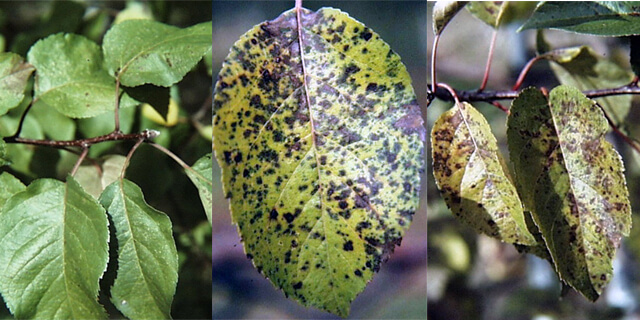
Pesticides help us to grow more food with fewer resources. It’s important to have an abundance of food around the holidays, as almost every culture celebrates holidays with food. Americans are blessed to have access to a large variety of foods and rarely in short supply. Insecticides help us protect our livestock from insect issues so you can have your Christmas Ham or Thanksgiving Turkey. Herbicides help us protect our fruits, vegetables, and grains from competition with weeds which yields greater harvests, and the use of insecticides helps protect these crops from insect pests. Fungicides are also used when growing certain foods to help protect the plants from fungus and diseases.
The holidays are the perfect time to enjoy time with family and friends, not the time to worry about food choices. This holiday season don’t be fooled by marketing tactics that sway you away from your traditional holiday foods. Pesticide use is highly researched and regulated, used minimally with licensed and professionally trained applicators; a safe and effective way to ensure we continue to have one of the most abundant food supplies in the world. You can be confident that the strict regulatory measures in place and inspection points in food processing are delivering the highest quality foods to your Thanksgiving, Christmas, Kwanza, Hanukkah, Ramadan, New Year, or whichever other holiday table you’ll be sitting at this year.
Michelle Miller aka “The Farm Babe” is a full time advocate for agriculture. She is a contributing columnist for the GLP and AGDaily. An internationally recognized keynote speaker, writer, and online influencer, she is passionate about bridging the gap between farmers and consumers by giving science a bigger voice. Michelle resides on a timber farm in north central Florida. Learn more at www.thefarmbabe.com or on Twitter @theFarmBabe