Life span vs. health span: How physical activity wards off age-related disease

Credit: MixKit
Credit: MixKit

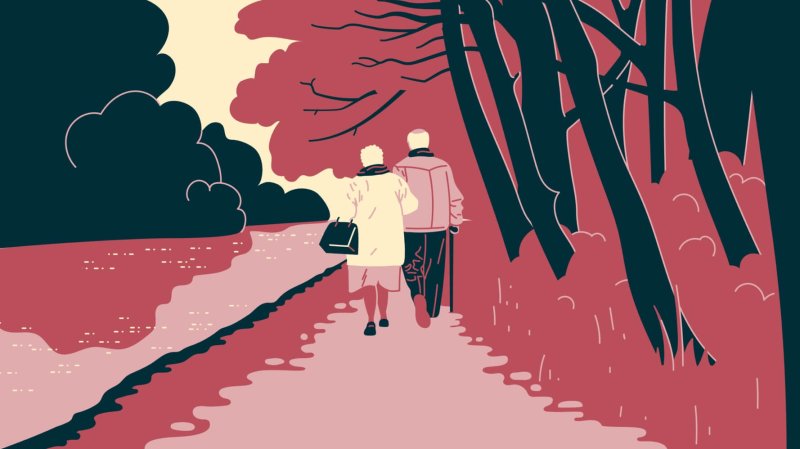
In a new review published [November 22] in PNAS, [evolutionary biologist Daniel] Lieberman and his Harvard co-authors grapple with the “active grandparent hypothesis,” using biomedical research and evolutionary studies to explain how humans evolved to need physical activity, particularly in and after middle age, to increase life span and reduce the risk of disease.

Lieberman spoke with STAT from Copenhagen, where he is pursuing further research, about health span vs. life span, why stress from exercise is good for us, and which animals are couch potatoes.

Follow the latest news and policy debates on sustainable agriculture, biomedicine, and other ‘disruptive’ innovations. Subscribe to our newsletter.

[STAT:] Do we know why physical activity keeps us healthy longer?
[Lieberman:] There are some hypotheses. The first hypothesis is that in humans, physical activity evolved to help extend health span. Prior to medicine, health span equaled life span….Our general hypothesis is that we evolved all kinds of responses to physical activity that improve health span over the long term, not just when you’re young, but when you’re old. And that those responses are largely due to energy allocation.

Until recently, energy was limited, people couldn’t go to the 7-Eleven and grab 200 calories. People had to be very physically active, which takes energy.


This is an excerpt. Read the original post here.

{{ reviewsTotal }}{{ options.labels.singularReviewCountLabel }}
{{ reviewsTotal }}{{ options.labels.pluralReviewCountLabel }}
{{ options.labels.noReviewsLabel }}
{{ options.labels.newReviewButton }}
{{ userData.canReview.message }}

Related Articles

Infographic: Global regulatory and health research agencies on whether glyphosate causes cancer

Infographic: Global regulatory and health research agencies on whether glyphosate causes cancer

Does glyphosate—the world's most heavily-used herbicide—pose serious harm to humans? Is it carcinogenic? Those issues are of both legal and ...

Most Popular

ChatGPT-Image-Mar-10-2026-01_39_01-PM
Viewpoint—“Miracle molecule” debunked: Why acemannan supplements don’t work
ChatGPT-Image-Jun-25-2026-12_23_17-PM
No, Bill Gates did not secretly engineer ticks to promote veganism
ChatGPT-Image-Jul-22-2026-09_13_07-AM
Viewpoint—The Strategic Litigation boom: Understanding the tightening coalition among NGOs, foundations, journalists, and tort lawyers
ChatGPT-Image-May-22-2026-10_26_09-AM
Trump-RFK, Jr. National Science Board firings: Accountability vs. partisan meddling
How to Include More Strawberries in Your Diet
Strawberries are berries—and 35 other surprising food and drink myths
close up arabica coffee farmer s hands picking beans plant his farm colombia
Viewpoint: Why do so many ‘mainstream’ and ‘respected’ media outlets exaggerate climate change threats?
Screenshot-2026-07-01-at-2.49.48-PM
Dr. TikTok and male fertility: Viral claims tout GLP-1 drugs as fertility boosters. What does the science say?
diversity
We are entering a new era of personalized medicine—if you’re white

Sorry. No data so far.

glp menu logo outlined

Get news on human & agricultural genetics and biotechnology delivered to your inbox.