CRISPR gala apples among numerous gene-edited crops that could be greenlighted without regulatory approval in new USDA proposal

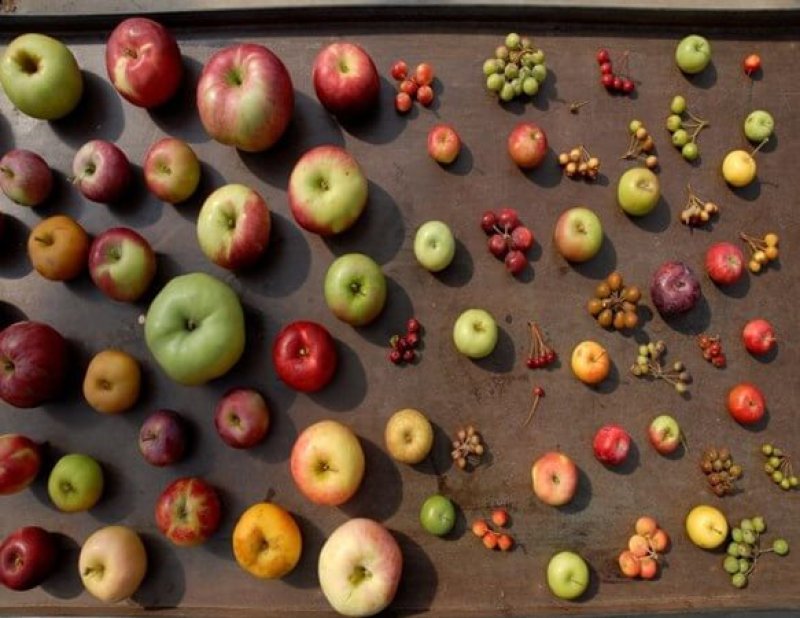
Apples are extremely genetically diverse. Credit: ARS

On July 19, 2021, the USDA Animal and Plant Health Inspection Service (APHIS) announced an important proposal through the Federal Register to exempt organisms with three additional types of modifications developed through gene-editing technologies, such as the clustered regularly interspaced short palindromic repeats (CRISPR)-associated-proteins (CAS) system.

If the proposal was officially adopted after public comments were considered, it would make most gene-edited plants, such as fruit crops, exempt from the federal regulatory requirements imposed on classic genetically modified organisms.

Follow the latest news and policy debates on sustainable agriculture, biomedicine, and other ‘disruptive’ innovations. Subscribe to our newsletter.

For example, we have recently confirmed a ‘Gala’ apple sport mutation caused by a genomic deletion on one of the homologous chromosomes. Compared with standard ‘Gala’, the sport has much better fruit-keeping quality due to a reduced ethylene production.

Similarly, the deletion could also be made in the genome of other widely grown cultivars, such as ‘Golden Delicious’ and ‘McIntosh’, to improve their fruit-keeping quality.

It is expected that the resultant apple plants would differ from their corresponding mother plants by the targeted deletion only, similar to the aforementioned difference between ‘Gala’ and the ‘Gala’ sport.

As such, it would be hard to envision how the genome-edited apples would pose any risks to the environment.


This is an excerpt. Read the original post here.

{{ reviewsTotal }}{{ options.labels.singularReviewCountLabel }}
{{ reviewsTotal }}{{ options.labels.pluralReviewCountLabel }}
{{ options.labels.newReviewButton }}
{{ userData.canReview.message }}

Related Articles

Infographic: Global regulatory and health research agencies on whether glyphosate causes cancer

Infographic: Global regulatory and health research agencies on whether glyphosate causes cancer

Does glyphosate—the world's most heavily-used herbicide—pose serious harm to humans? Is it carcinogenic? Those issues are of both legal and ...

Most Popular

Picture1
The FDA couldn’t find a vaccine safety crisis, so it buried its own research
Screenshot-2026-04-22-at-12.21.32-PM
Viewpoint: Why the retracted Monsanto glyphosate study doesn’t change the science—the world’s most popular herbicide is safe 
ChatGPT-Image-May-7-2026-12_32_36-PM
Viewpoint: The state of U.S. vaccine policy? Dismal nationally, but some states are stepping up.
placebo
Viewpoint — Alternative medicine and the placebo effect: Selling a reassuring illusion of health
_20250221_nib_rfk_trump
Viewpoint: 'Crisis of public trust': Autism support community shocked RFK continues to peddle false claims about the danger of vaccines
ChatGPT-Image-May-18-2026-01_45_05-PM-2
Newest hantavirus conspiracy: Online disinformation turns outbreak into latest ivermectin grift
ChatGPT-Image-May-18-2026-12_06_18-PM-2
Defying death: The immortality movement goes mainstream
Screenshot-2026-04-13-at-1.39.26-PM
Viewpoint: ‘Safer for children?’ Stonyfield yogurt under fire for deceptive organic marketing
Screenshot-2026-04-22-at-10.46.29-AM
Viewpoint: How to counter science disinformation? Science journalist offers 12 practical tips
glp menu logo outlined

Get news on human & agricultural genetics and biotechnology delivered to your inbox.