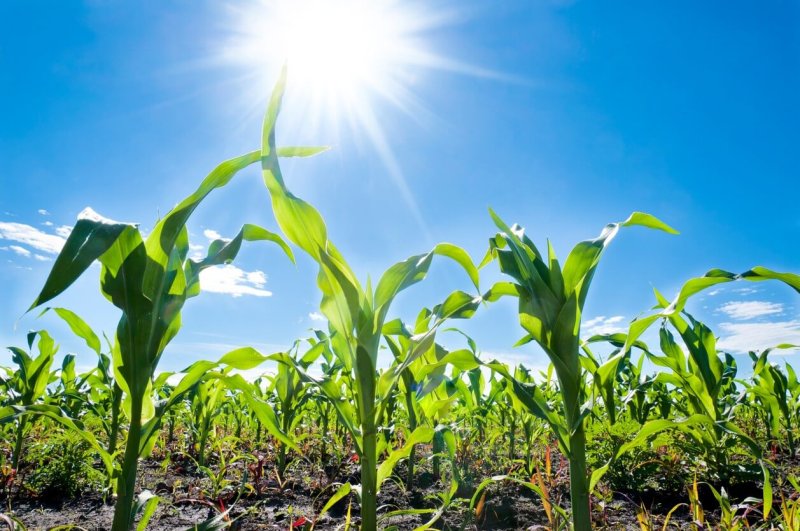

The study, published in the peer-reviewed journal PNAS by researchers based at the University of Nebraska-Lincoln, concluded that 48 percent of the yield gain seen over the 2005-2018 period came from better climate conditions, 39 percent from agronomic improvements and only 13 percent from improved genetic yield potential.
In reporting the findings, media have implied something of a failure of genetic engineering approaches. National Geographic magazine, for instance, wrote that “scientists have been counting on genetic engineering as a prime tool to help keep yields increasing in the future” but that the new PNAS study suggests “that tool hasn’t been as useful as they thought.”
The authors themselves hint that biotechnology has been a disappointment, concluding that their study shows “that previous predictions of sharp increases in maize yield potential (2 to 3.6 percent p.a.) with the advent of biotechnology and molecular techniques have fallen short of reality.”
However, what the study actually shows is a little more complicated.
The research was conducted using data only from Nebraska, which has been growing genetically modified (GM) corn for two decades and has already realized some of the highest maize yields anywhere in the world. North America achieves on average 11.8 tonnes per hectare of corn yield, while Malawi achieves just 1.6 tonnes and Tanzania 1.5 tonnes, according to Our World in Data.

Neither African country currently has access to GM corn, whereas 90 percent of the corn crop in the US and 80 percent of the corn grown in Canada is GM. By comparison, 70 to 80 percent of the corn crop in South Africa is GM and yields average 5.09 metric tons per hectare. Biotechnology may already be having a positive effect on yield where it is permitted, although other factors doubtless play a large role.
Feeding the world’s growing population without increasing agricultural land area — seen as essential by experts in order to protect the climate and remaining natural ecosystems — will therefore depend far more on closing these massive “yield gaps” between America and Africa than on achieving ever-more marginal increases in already high-yield places like the US corn belt.
This is the rationale behind efforts such as the Alliance for a Green Revolution in Africa (AGRA) and the African Agricultural Technology Foundation, which aim to put the benefits of modern science into the hands of smallholder farmers across Africa to help them improve productivity.
Moreover, genetic approaches, while not a silver bullet, can help. As the Alliance for Science has reported, drought-tolerant maize can help safeguard yields in low-rainfall areas, while insect-resistance traits can combat infestations of pests like the corn borer and the highly invasive fall armyworm that can devastate crops.
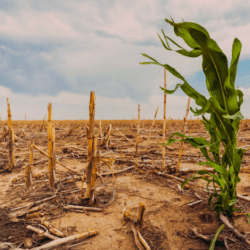



These traits have already been used for years by corn farmers in Nebraska, alongside consistent use of pesticide applications and nitrogen fertilizer. These agronomic changes — rather than improvements in the genetic potential of the corn crop per se — accounted for most of the technology-driven improvements in yield, the PNAS study found.
Perhaps the most surprising takeaway from the study is not the relatively small impact of improved genetics, but that climate change has so far proven a net positive, at least for corn production in Nebraska to date. The data show that with longer growing seasons and warmer temperatures the yield potential for corn production in the state increased by 89 kg per hectare per year.
This benefit from climate warming may only be a temporary anomaly, however. Virtually all scientific analyses expect major food production challenges ahead as punishingly high temperatures and extreme weather events affect the world’s major breadbaskets. Moreover, the US corn belt may only have escaped the full impact of searing summer temperatures because of the widespread use of irrigation, which keeps daytime highs cooler and even helps generate rain.

Nebraska’s irrigation resource will not last forever, as aquifers are already becoming depleted across the US corn belt. And while droughts in America may have only limited impact in irrigation-fed areas, this is certainly not the case in sub-Saharan Africa, where access to irrigation is a rarity.
This brings us back to crop genetics. While building irrigation facilities in Africa is a long-term challenge, as is sustainable water management, getting drought-resistant seeds to farmers should be an easier win. Farmers in countries like Tanzania and Malawi are not just a long way from theoretical yield potential, they are a long way behind what should be easily achievable today.
And as climate change impacts continue to worsen across the vulnerable African sub-tropics, the urgency of the challenge of improving crop yields will become ever clearer as an alternative to hunger and malnutrition.
Mark Lynas is the author of several books on the environment, including High Tide, Six Degrees, The God Species, Nuclear 2.0 and Seeds of Science. Mark has written for numerous publications, including the New York Times, the Washington Post, the Wall Street Journal, the Guardian and CNN.com. You can follow Mark on Twitter @mark_lynas
A version of this article was originally posted at the Cornell Alliance for Science. You can find the Alliance for Science on Twitter @ScienceAlly