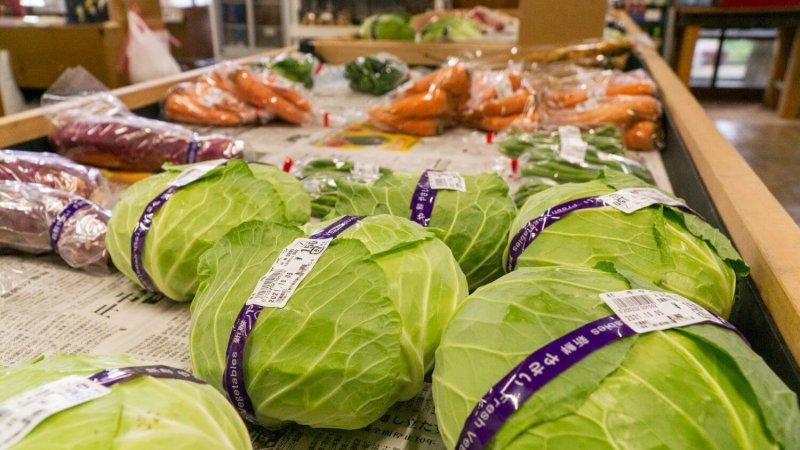
‘Safer than natural’: Japan’s leading food risk expert says genetically modified and gene edited crops are safer than ‘wild varieties’ and offer ‘improved taste and yield’

Credit: Japan Forward

When comparing artificially modified crops such as GM/genome editing with natural crops, “natural” seems safe at first glance, but it is rather the opposite for food safety experts.

Artificially cultivated crops, whether GM or genome editing, are safer than natural wild varieties, with significantly improved taste and yield, so artificial crops are safer than natural crops.

Not only is it excellent in terms of food, but there is no doubt that it has greatly contributed to the food culture of humankind.

In addition, it is an undeniable fact that ordinary agricultural products that you think are natural are actually only those whose genes have been artificially modified by conventional breeding.

Follow the latest news and policy debates on sustainable agriculture, biomedicine, and other ‘disruptive’ innovations. Subscribe to our newsletter.

Fake news such as “I don’t know what will happen when I eat GM. I’m worried about carcinogenicity and genotoxicity” is widespread on the Internet and public lectures, all of which are unscientific misinformation.

Unfortunately, those disseminating such suspicious information are developing visual marketing to emphasize the dangers of competing products in order to emphasize the safety of the non-GMO foods they sell.

[Editor’s note: This article was originally published in Japanese and has been translated and edited for clarity.]


This is an excerpt. Read the original post here.

{{ reviewsTotal }}{{ options.labels.singularReviewCountLabel }}
{{ reviewsTotal }}{{ options.labels.pluralReviewCountLabel }}
{{ options.labels.newReviewButton }}
{{ userData.canReview.message }}

Related Articles

Infographic: Global regulatory and health research agencies on whether glyphosate causes cancer

Infographic: Global regulatory and health research agencies on whether glyphosate causes cancer

Does glyphosate—the world's most heavily-used herbicide—pose serious harm to humans? Is it carcinogenic? Those issues are of both legal and ...

Most Popular

ChatGPT-Image-Jun-23-2026-03_12_23-PM
Is cellular reprogramming junk science? Nearly 20 patients are getting eye injections in the first FDA-cleared cellular trial
ChatGPT-Image-Jun-24-2026-11_36_47-AM
Why the human genome is less a script than a puzzle
Screenshot-2026-06-15-at-1.55.27-PM
America's trust in Trump-Kennedy's CDC health recommendations is plunging
ChatGPT-Image-Jun-25-2026-12_23_17-PM
No, Bill Gates did not secretly engineer ticks to promote veganism
ChatGPT-Image-Jun-17-2026-10_52_43-AM
Anguished parents, doctors in tears: Utah’s long measles outbreak takes a toll
Screenshot 2026-06-25 at 10.55
Leading OB-GYN group challenges RFK, Jr. gutting of maternal vaccine schedule
ChatGPT-Image-Mar-10-2026-01_39_01-PM
Viewpoint—“Miracle molecule” debunked: Why acemannan supplements don’t work
Screenshot-2026-06-22-at-9.04.46-PM
Kennedy's nutrition prescription for medical schools: Real problem, bad cure
Screenshot-2026-06-24-at-2.57.41-PM
Viewpoint: Trump’s Reflecting Pool algae fiasco points to a bigger culprit: Climate change
Screenshot-2026-06-25-at-1.48.40-PM
Glyphosate affirmed as safe: Supreme Court rejects lawsuit claiming Roundup herbicide causes cancer, upholding EPA determination
Screenshot-2026-06-24-at-2.40.46-PM
Hegseth reversal: As Air Force flu outbreak continues to surge, military reinstitutes mandatory vaccines for recruits

Sorry. No data so far.

glp menu logo outlined

Get news on human & agricultural genetics and biotechnology delivered to your inbox.