Are your organic clothes eco-friendly and chemical free? Fraud rampant in India exports, world’s largest cotton market

Credit: Trusted Clothes

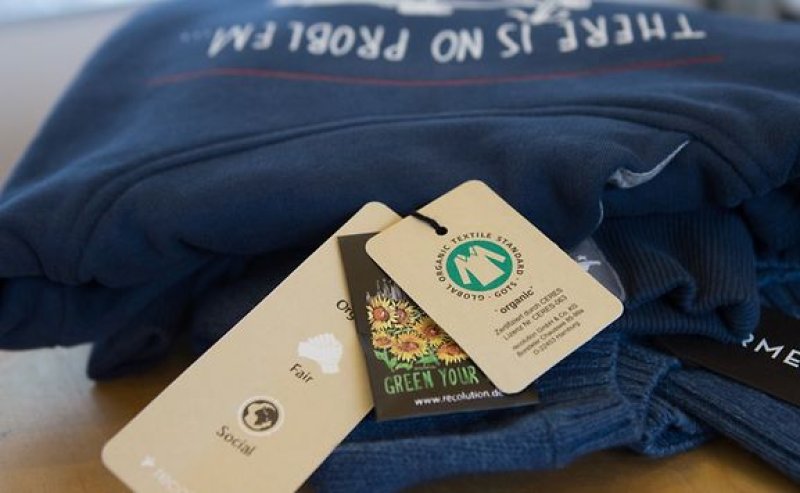
“This product contains independently certified organic cotton grown without chemical pesticides, chemical fertilizers and genetically modified seeds,” the product description reads.

With the fashion industry trumpeting its sustainability commitments, those labels are both a means of value signaling and a lure to consumers willing to pay more to act better.

There’s only one problem: Much of the “organic cotton” that makes it to store shelves may not actually be organic at all.

Follow the latest news and policy debates on sustainable agriculture, biomedicine, and other ‘disruptive’ innovations. Subscribe to our newsletter.

At the heart of the problem is an opaque certification system rife with opportunities for fraud. Consumers are assured of “organic” material by brands, which rely on official stamps of approval from external organizations. Those in turn rely on reports from opaque local inspection agencies that base their conclusions on a single planned yearly inspection.

In 2009, India’s agricultural export agency discovered wide-scale fraud in the country’s cotton belt, with entire villages certifying genetically modified cotton as organic. The government promised it would release digital tracking software the next year. It never did.

At this point, some industry insiders believe the only way for a brand to ensure its organic cotton is actually organic is to invest in farmers directly through credible organizations before any seed is even sown.


This is an excerpt. Read the original post here.

{{ reviewsTotal }}{{ options.labels.singularReviewCountLabel }}
{{ reviewsTotal }}{{ options.labels.pluralReviewCountLabel }}
{{ options.labels.newReviewButton }}
{{ userData.canReview.message }}

Related Articles

Infographic: Global regulatory and health research agencies on whether glyphosate causes cancer

Infographic: Global regulatory and health research agencies on whether glyphosate causes cancer

Does glyphosate—the world's most heavily-used herbicide—pose serious harm to humans? Is it carcinogenic? Those issues are of both legal and ...

Most Popular

ChatGPT-Image-May-7-2026-12_16_37-PM-2
Viewpoint: Are cancer rates ‘skyrocketing’ as RFK, Jr. and MAHA claims? The evidence says mostly the opposite
Screenshot-2026-04-13-at-1.39.26-PM
Viewpoint: ‘Safer for children?’ Stonyfield yogurt under fire for deceptive organic marketing
Screenshot-2026-04-22-at-10.46.29-AM
Viewpoint: How to counter science disinformation? Science journalist offers 12 practical tips
png-pill-omega-Supp-fish-oil
Millions take omega-3 fish oil for brain health. New research suggests it may do the opposite.
Screenshot-2026-04-23-at-11.00.36-AM
Regulators' dilemma: Thalidomide, Metformin, and the cost of getting drug approvals wrong
ChatGPT Image May 14, 2026, 09_51_35 PM
Facebook swamped by hundreds of thousands of scam ads for illegal or dangerous medical products
ChatGPT Image May 12, 2026, 01_21_30 PM
How big health brands are funding online medical misinformation 
Picture1-5
Science Disinformation Gap: The transatlantic battle over social media and censorship
Picture1-1
Cooling the planet with balloons: Could a geoengineering gamble slow global warming?

Sorry. No data so far.

glp menu logo outlined

Get news on human & agricultural genetics and biotechnology delivered to your inbox.