Viewpoint: Beef farmers, under fire from sustainability critics, make their case

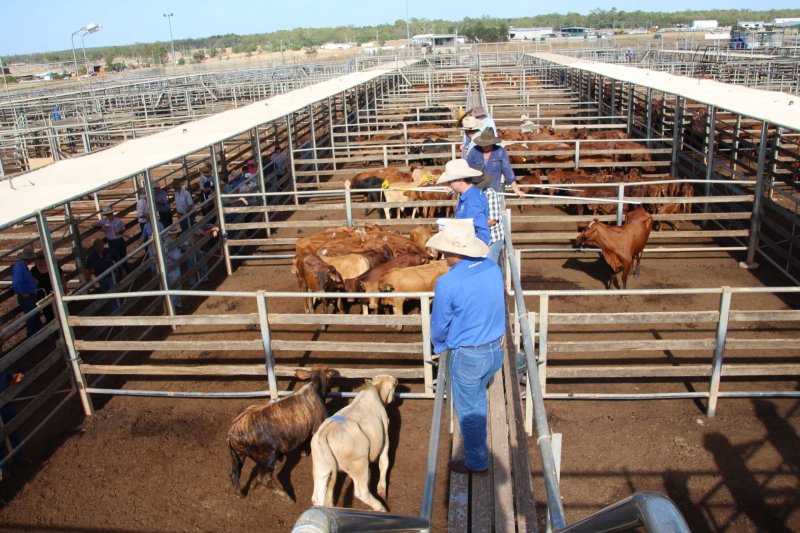
Credit: Future Beef
Credit: Future Beef

Around the world, the beef industry is the subject of a growing ethical debate. Many people seem to think that producing beef for national distribution is a way of living that doesn’t look beyond today’s meal.

Supposedly in the interest of climate consciousness, some food-focused websites and high-end restaurants have dropped beef altogether, and the number of people who have considered cutting beef from their diet has risen.

Follow the latest news and policy debates on sustainable agriculture, biomedicine, and other ‘disruptive’ innovations. Subscribe to our newsletter.

Most Canadians don’t realize a kilogram of Canadian beef has about half the global average greenhouse gas footprint, mainly because of Canadian cattle’s different diet, the efficiency of our farm-to-table supply chain, and rising crop yields over recent decades.

People think all beef has a high footprint but it’s important to understand that the numbers vary a lot from country to country and region to region and that ours are comparatively low.

Cattle farmers are more than happy to participate in the discussion surrounding climate change. But we want to make Canadians more aware that our industry: produces a product that’s still very much in demand, has long practiced sound sustainability, and is home to a large and highly engaged workforce that understands its impact goes beyond the bottom line.


This is an excerpt. Read the original post here.

{{ reviewsTotal }}{{ options.labels.singularReviewCountLabel }}
{{ reviewsTotal }}{{ options.labels.pluralReviewCountLabel }}
{{ options.labels.newReviewButton }}
{{ userData.canReview.message }}

Related Articles

Infographic: Global regulatory and health research agencies on whether glyphosate causes cancer

Infographic: Global regulatory and health research agencies on whether glyphosate causes cancer

Does glyphosate—the world's most heavily-used herbicide—pose serious harm to humans? Is it carcinogenic? Those issues are of both legal and ...

Most Popular

Screenshot-PM-24
Viewpoint: The herbicide glyphosate isn’t perfect. Banning it would be far worse.
d-b
Blocked arteries, kidney stones, nausea, constipation, fatigue: Long list of health problems caused by too much vitamin D 
ChatGPT-Image-Mar-27-2026-11_27_05-AM
The myths of “process”: What science says about the “dangers’ of synthetic products and ultra-processed foods
Screenshot-2026-04-29-at-11.31.42-AM
Dad brains: Only women undergo bodily changes during and after childbirth? Think again.
ChatGPT-Image-Mar-3-2026-01_17_14-PM
MAHA wellness influencers deride proven anxiety medications, tout lifestyle fixes
png-pill-omega-Supp-fish-oil
Fish oil supplements for brain injuries probably don’t work 
circular-bioeconomy-should-focus-on-sustainable-wellbeing
GLP podcast: What's wrong with 'doomsday' environmentalism? It's false.
ChatGPT-Image-Apr-28-2026-12_46_14-PM-2
Kennedy has quietly stopped touting problematic raw milk. Health concerns aren’t why
ChatGPT-Image-Feb-16-2026-01_04_32-PM
Raw milk myth wake-up call
ChatGPT-Image-Apr-29-2026-11_04_44-AM-2
Anti-vaccine activists are now the majority in RFK, Jr.’s CDC Vaccine Panel
ChatGPT-Image-Apr-22-2026-11_06_18-AM
Wellness influencer nonsense: No, nicotine does not boost cognition and productivity, but it can damage your health 
glp menu logo outlined

Get news on human & agricultural genetics and biotechnology delivered to your inbox.