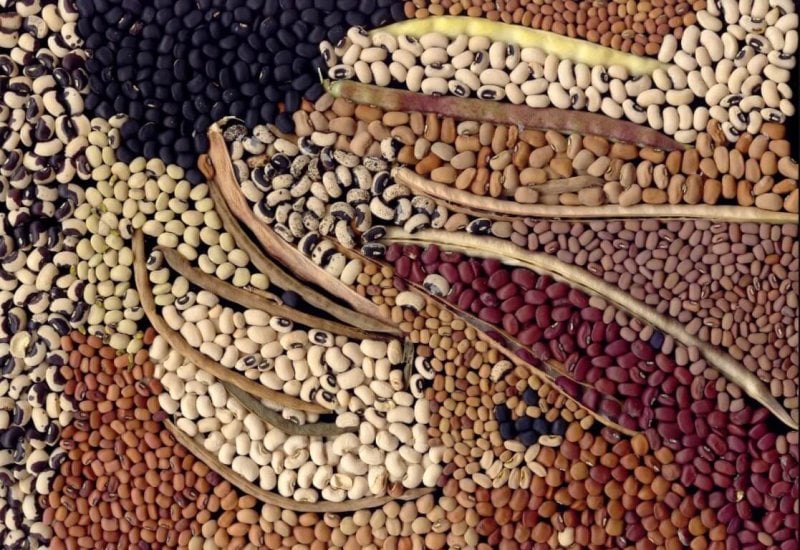

However, this biodiversity is under threat from climate change and farming practices, such as overusing chemical fertilizers and pesticides and destroying forests for agricultural use.
With over 70 percent of Nigerians relying on agriculture for their livelihood, it’s critical to find new ways to reduce diversity loss while improving agricultural productivity. Genetically modified (GM) cowpea is one potential solution.
Cowpea, commonly known as beans, is drought-resistant and highly adaptable to different soil types. It also has the potential to improve soil fertility and prevent erosion. It is an important legume grown by over 70 percent of Nigerian smallholder farmers. With its high economic viability, cowpea has a low environmental impact and contributes to the conservation of natural resources and the sustainability of production systems.
It is also a major source of protein for families who cannot afford animal products, which is why smallholders call it “nama talaka,” or “meat of the poor.” Despite being the biggest producer and consumer of cowpea in the world, Nigeria still relies on imported cowpea to feed its growing population of over 180 million people.
The low production is attributed to serious threats from a pernicious pest insect, the Maruca pod borer. Up to 80 percent of Nigeria’s cowpea crop is lost to Maruca. To control the pests, farmers often spray pesticides six to seven times per planting season. This practice contributes to human and environmental health risks.
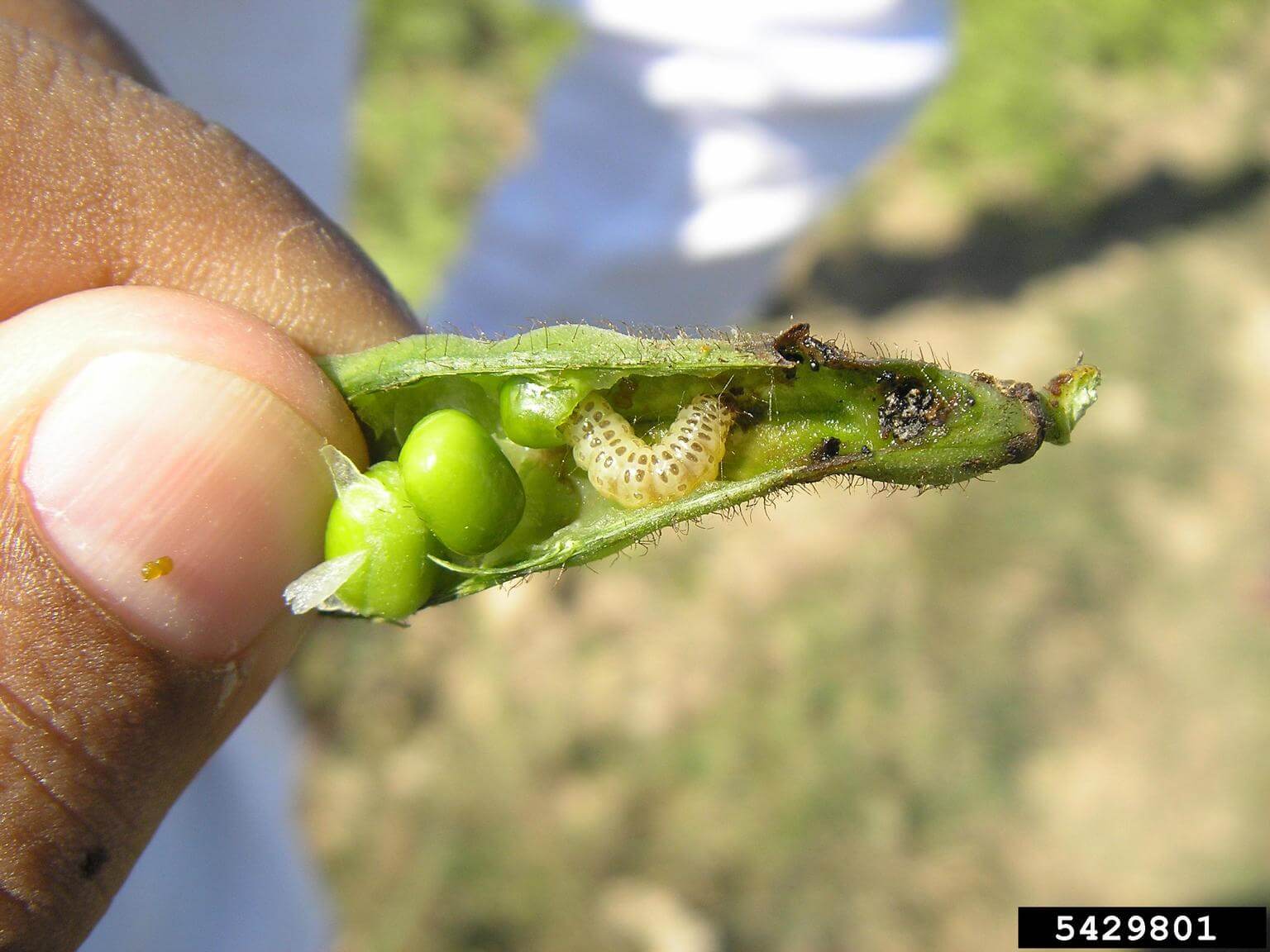
Realizing the potential of biotechnology in agriculture, public sector scientists in Nigeria have developed GM cowpea varieties resistant to Maruca. GM cowpea, also known as pod borer-resistant (PBR) cowpea, provides inherent protection from the pest due to the introduction of a gene from Bacillus thuringiensis (Bt), a naturally occurring soil bacteria widely used in organic agriculture.
With the recent commercialization of this crop in Nigeria, farmers have reported over 20 percent increase in yield and significant reduction in the use of pesticides. Farmers growing the GM variety now spray their fields less than two times per growing cycle and report less pest damage in their fields. Ultimately, farmers say that the technology helps to safeguard their health while increasing farm profits by 30 percent and livelihoods overall.



In addition to increased yield and farmer profit, the Bt technology conserves the environment by reducing chemical pesticide use on GM cowpea plots. Other environmental advantages include less stress on biodiversity and lower soil and groundwater contamination, compared to conventionally farmed crops.
Scientific studies have shown that when improved varieties of cowpea are grown in a community, traditional landrace varieties are never displaced. Both are able to grow side by side. So, there is no need to fear that landrace varieties of crops will be replaced by GMOs.
Supporting the use of biotechnology as a tool to help biodiversity and promote sustainable agriculture ensures that the needs of smallholder farmers are met and less damage is done to the environment. Adoption of biotech crops already has conserved biodiversity globally by saving 231 million hectares of land from being converted to farming. It has also reduced the amount of pesticides and greenhouse gas emissions released into the environment. In 2018 alone, the use of GM crops reduced CO2 emissions by 23 billion kg, equivalent to taking 15.3 million cars off the road.
Agricultural biotechnology can help people and the planet. The post-2020 Global Biodiversity Framework (GBF) should consider the potential that modern biotechnology offers to help sustain the environment and conserve the planet’s rich biodiversity. Therefore, the use of modern biotechnology should be reflected in the wording of target 17 of the GBF.
As the human population grows and climate change batters our lands, the increased demand for safe and nutritious foods can lead to the destruction of forests and other wild lands for farming. With GMOs, we may be able to meet the demand for more food with far less pressure on the environment. The post-2020 Global Biodiversity Framework must immediately recognize the role GMOs can play in conserving biodiversity. The world cannot wait any longer for this step to be taken to help make our planet a better place
Modesta Abugu is a North Carolina State University doctoral student of horticulture and an avid proponent of biosafety and diversity. Modesta is active in the policy sphere, particularly in Nigeria. Find Modesta on Twitter @modestannedi
A version of this article was posted at Cornell Alliance for Science and is used here with permission. You can check out Cornell Alliance for Science on Twitter @ScienceAlly