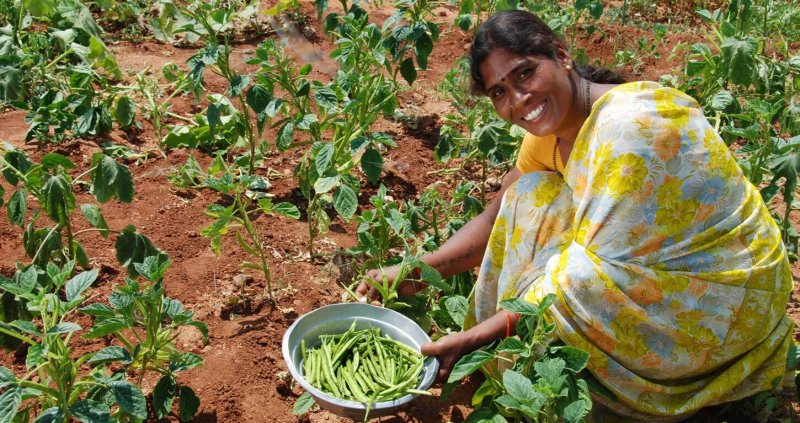
India decides gene edited crops and foods will not be as tightly regulated as GMOs

Credit: Accion Fraterna Ecology Centre

A key change in rules notified on [March 30] will allow genome-edited plants, or organisms without any “foreign” genes to be subjected to a different regulatory process than the one applied to genetically engineered products — a move likely to add to a polarising debate around technologies such as CRISPR.

One scientist working with GM technologies said the changes will exempt two categories of genome-edited products — in which genes are tweaked but not inserted from another organism — from being treated as transgenic products.

Mis- and disinformation are distorting science and public policy. Subscribe to our Daily and Weekly Digests for incisive coverage of ‘disruptive’ innovations in AI, agricultural biotechnology, food, chemicals, nuclear energy, vaccines, and other disruptive innovations.

There are three categories of gene-editing: SDN1, SDN2 and SDN3. The first two, which largely involve “knocking off” or “overexpressing” certain traits in a genome without any insertion of gene material from outside, will be covered by the new changes. The third, which involves insertion of foreign genes, will be treated as GMO. SDN stands for Site-directed Nuclease and refers to the practice of cleaving DNA strands to effect the subsequent genome editing.


“With this, India now has a separate regulatory process for such technologies that takes them out of the purview of Genetic Engineering Appraisal Committee or GEAC,” said Bhagirath Choudhary of the South Asia Biotechnology Centre, which advocates GM technologies.


This is an excerpt. Read the original post here.

Related Articles

Infographic: Global regulatory and health research agencies on whether glyphosate causes cancer

Infographic: Global regulatory and health research agencies on whether glyphosate causes cancer

Does glyphosate—the world's most heavily-used herbicide—pose serious harm to humans? Is it carcinogenic? Those issues are of both legal and ...

Most Popular

ChatGPT-Image-Mar-10-2026-01_39_01-PM
Viewpoint—“Miracle molecule” debunked: Why acemannan supplements don’t work
Screenshot-2026-09-17-at-1.07.08-PM
'We are dangerously addicted to antidepressants': Should we heed RFK Jr.’s sobering warning?
ChatGPT-Image-Sep-2-2026-02_03_32-PM
How much of a problem is AI’s water use?
ChatGPT-Image-Sep-22-2026-10_32_46-AM
There has been a slew of recent reports of food recalls and foodborne outbreaks. Do we face an escalating problem?
ChatGPT-Image-Aug-26-2026-12_46_16-PM
Viewpoint: The fake controversy over whether combining childhood vaccines is dangerous— a debate science resolved 25 years ago
Screenshot-2026-09-03-at-10.51.20-AM
Viewpoint: Why do online health lies outlive the evidence that debunks them? Read "Everyone Else Is Lying to You"
ChatGPT-Image-Sep-23-2026-01_52_03-PM
Viewpoint: 4 very real AI doomsday scenarios
Screenshot-2026-09-23-at-11.55.01-AM
How can we know if social media bans actually help teens?
Screenshot-2026-09-22-at-11.40.28-AM
After Idaho criminalized abortion providers in 2022, one-third of obstetricians fled. Health care advocates are making rural health the case for repealing the ban
Screenshot-2026-09-23-at-3.15.09-PM
Anti-GMO activists in Pakistan rev up their campaign of dire warnings
Screenshot-2026-09-17-at-12.00.30-PM
Investigative group ProPublica finds links between ectopic pregnancy deaths and abortion bans
ChatGPT-Image-Sep-23-2026-11_47_32-AM
Facing pressure from Trump administration, fewer hospitals offer medical treatment for transgender minors
glp menu logo outlined

Get news on human & agricultural genetics and biotechnology delivered to your inbox.