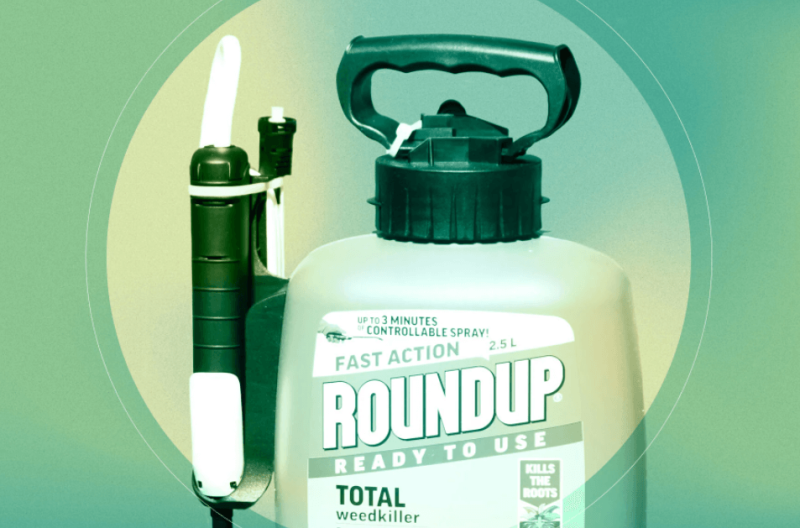
In 2017, [Davis, California city] council voted to eliminate the application of glyphosate by the end of 2020 in “high public exposure” areas. With the phaseout finished in January 2020, our elected officials immediately voted to outlaw its use on public property in Davis.
No other cities or counties in the Sacramento Valley have banned this herbicide. That is why medians and sidewalks in Davis — which are now apparently ineffectively treated with Lifeline herbicide — are uniquely awash in weeds.
The impetus for banning glyphosate is the fear that it might be carcinogenic. The evidence for that worry is not clear.
According to Wikipedia, “Organizations such as the Joint FAO/WHO Meeting on Pesticide Residues and the European Commission, Canadian Pest Management Regulatory Agency and the German Federal Institute for Risk Assessment have concluded that there is no evidence that glyphosate poses a carcinogenic or genotoxic risk to humans.”

The U.S. Environmental Protection Agency agrees: “EPA continues to find that there are no risks of concern to human health when glyphosate is used in accordance with its current label. EPA also found that glyphosate is unlikely to be a human carcinogen.”