Anguish factor: Here’s why some people are more anxious than others — and what can be done about it

Credit: Medical Channel Asia

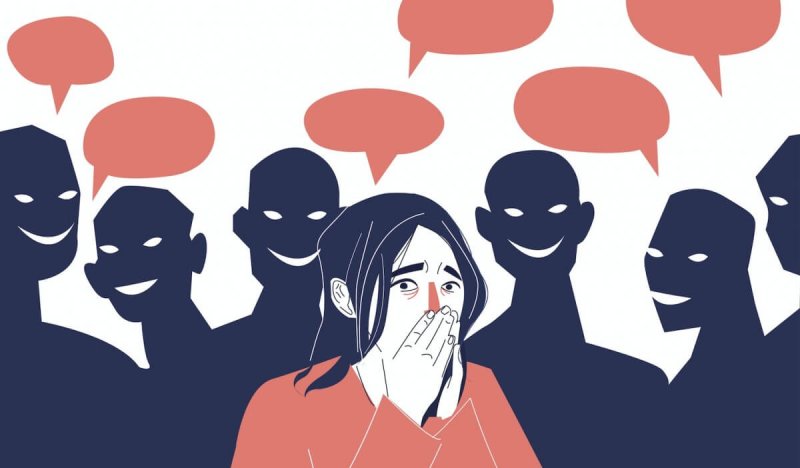
Anxiety disorders are the most common type of mental disorders in the U.S. But a simple diagnosis of generalized anxiety disorder may not capture the specifics of what bothers some people.

A subgroup of anxiety sufferers may experience extreme distress when confronting the inherent uncertainties that turn up in any life circumstance, whether helping a relative with a severe illness or choosing a new route to work that is safe and easy to navigate.

Follow the latest news and policy debates on sustainable agriculture, biomedicine, and other ‘disruptive’ innovations. Subscribe to our newsletter.

Psychologists, though, are learning new ways to treat these sufferers, who can be identified through their answers to a psychological measurement known as the intolerance of uncertainty scale (IUS). Patients can then benefit from specialized treatment.

Having higher self-reported IU or greater activity in a brain area called the anterior insula during imaging independently predicted an increase in anxiety, depression or emotional distress.

Therapists have begun to target their patients’ uncertainty intolerance to help them through the pandemic because COVID’s unpredictability exacerbates classic IU behaviors in some people. Some read everything they can find on the Internet, wash their hands incessantly and rarely leave home. Others refuse to alter their routines even if they are putting themselves or others at risk. There are endless permutations of dealing with this continuing state of just not knowing.


This is an excerpt. Read the original post here. 

{{ reviewsTotal }}{{ options.labels.singularReviewCountLabel }}
{{ reviewsTotal }}{{ options.labels.pluralReviewCountLabel }}
{{ options.labels.newReviewButton }}
{{ userData.canReview.message }}

Related Articles

Infographic: Global regulatory and health research agencies on whether glyphosate causes cancer

Infographic: Global regulatory and health research agencies on whether glyphosate causes cancer

Does glyphosate—the world's most heavily-used herbicide—pose serious harm to humans? Is it carcinogenic? Those issues are of both legal and ...

Most Popular

Screenshot-2026-03-13-at-12.14.04-PM
The FDA wants to make many popular prescription drugs OTC—a great idea. Here’s why it’s unlikely to happen
Screenshot-2026-05-04-at-12.54.32-PM
How Utah became the country’s supplement capital  — and a haven for unregulated, ineffective and fake products
Screenshot-2026-04-20-at-2.26.27-PM
Viewpoint — Food-fear world: The latest activist scientists campaign: Cancer-causing additives
Screenshot-PM-24
Viewpoint: The herbicide glyphosate isn’t perfect. Banning it would be far worse.
images
The never-ending GMO debate: Pros and cons
Screenshot-2026-05-01-at-11.56.24-AM
‘Science moves forward when people are willing to think differently’: Memories of DNA maverick Craig Venter
Screenshot-2026-04-30-at-2.19.37-PM
5 myths about summer dehydration that could damage your health — or even kill you
Screenshot-2026-04-03-at-11.15.51-AM
Paraben panic: How a flawed study, media hype, and chemophobia convinced the public of the danger of one of the safest classes of preservatives
bigstock opioids on chalkboard with rol
GLP podcast: 'Safe injection sites': enabling drug addiction or saving lives?
ChatGPT-Image-May-1-2026-02_20_13-PM
How RFK, Jr.’s false vaccine claims are holding up $600 million to fight diseases in poor countries
glp menu logo outlined

Get news on human & agricultural genetics and biotechnology delivered to your inbox.