
Why is Europe’s political class questioning the effectiveness of modern agricultural practices and the legitimacy of nuclear power when the rest of the developed world is upgrading its fission capacity and allowing for gene-editing technology to revolutionize food production? One could think it’s the inherent need for Europe to be different from the rest of the world, but that would neglect the significant lobbying efforts that have prevented the continent from becoming food and energy independent.
In 2014, former NATO secretary-general and prime minister of Denmark Anders Fogh Rasmussen described this phenomenon to The Guardian:
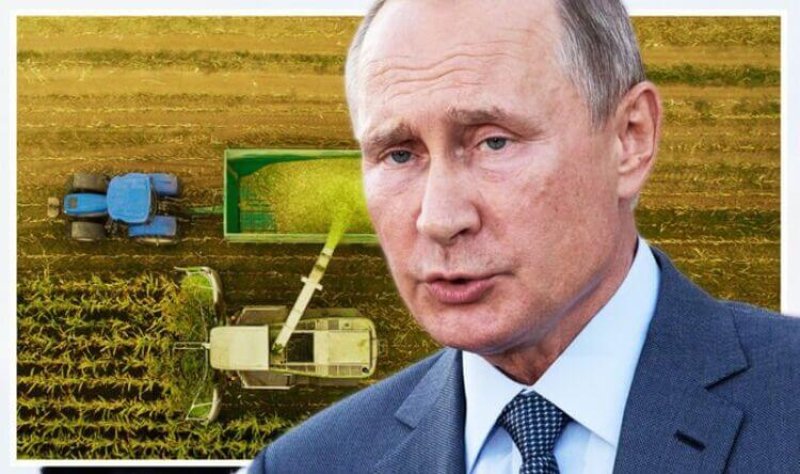
I have met allies who can report that Russia, as part of their sophisticated information and disinformation operations, engaged actively with so-called non-governmental organisations – environmental organisations working against shale gas – to maintain European dependence on imported Russian gas.
It’s not just energy dependence that Europe has created, but also significant food import dependency. According to the European Union (EU), 19 percent of “other feed and feed ingredients” imported to the bloc come from Russia, as well as almost 8 percent of sugar (other than beet and cane), and slightly more than 6 percent of imported wheat.
…
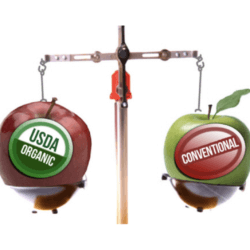
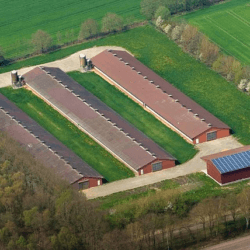


Do environmental organizations support the efforts of foreign governments by increasing the dependence of NATO allies on Russia? Even if not deliberately, they do so indirectly as their advocacy leads to food inflation and economies that cannot argue from a position of strength.