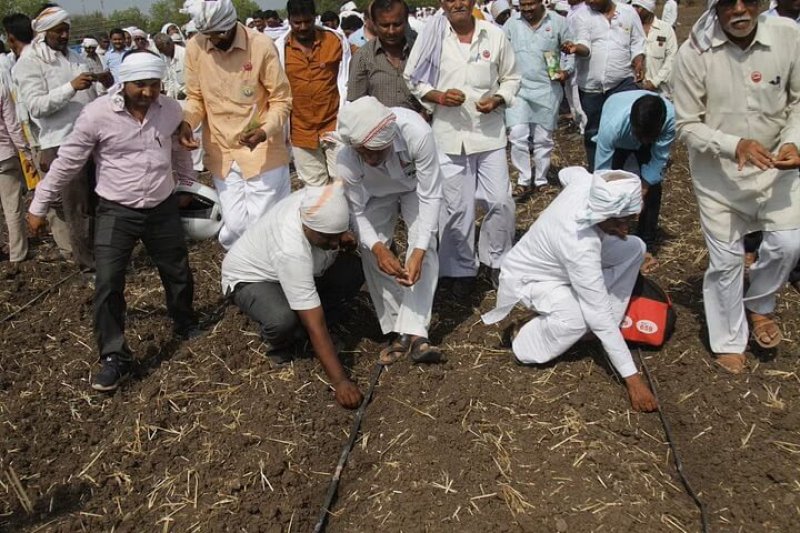

India has a long and dubious record of regulating genetically altered crops for agriculture. While the nation began at the same time as many other countries with the same ambitious goals – to deploy new genetic engineering tools to address agricultural vulnerabilities – it has fallen behind. Only one crop, modified with molecular techniques – pest-resistant cotton – has been approved by regulators.
In an attempt to expand farmers’ access to genetically engineered crops, in March of this year, the Indian government exempted crops with certain kinds of genetic modifications introduced by genome editing (also known as gene editing) from the cumbersome and time-consuming regulations previously imposed on the commercialisation of all crops genetically modified with molecular techniques.
Specifically (and as explained in more detail below), the new policy exempts crops with simple tweaks to genes that are already ‘natural’ to the plant but that have not had any ‘foreign’ DNA added. This approach may be expedient but it is not scientifically sound.



Baseless regulatory discrimination against transgenic – i.e. SDN-3 – crops means that some new varieties that could drastically improve the fortunes of resource-poor people and environmentally vulnerable places will, for practical purposes, remain proscribed and unavailable except through the stealth practices of farmers.