‘Lose-lose situation’: Mexico’s ban on genetically modified corn worsening food security and increasing inflation

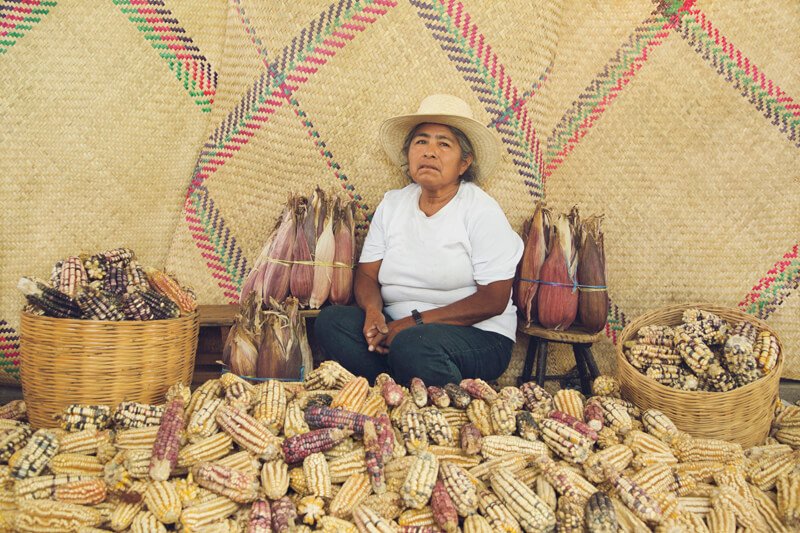
Prices for corn tortillas would rise 30% in the first year of the ban and 42% the second year, worsening food security and reducing consumer spending across Mexico’s economy. Credit: Fernando Laposse

A new economic impact report shows Mexico’s looming ban on GM corn and agricultural biotechnology policy will harm economies on both sides of the U.S.-Mexican border and worsen food security for Mexico’s citizens just as inflation and strained supply chains are impacting consumers around the world.

“The proposed ban will force North American grain handling systems into two streams (GM and non-GM corn), an approach that is costlier, disincentivizes innovation and subjects supply chains to greater volatility,” finds the report, prepared by World Perspectives Inc. for CropLife International.

Follow the latest news and policy debates on sustainable agriculture, biomedicine, and other ‘disruptive’ innovations. Subscribe to our newsletter.

What does Mexico have to gain from the ban? Not much, according to the report.

Mexico’s decision brings “little or no value creation as a direct result of the new policy,” says the report. Furthermore, the ban “acts as a trade protectionist measure” against farmers in the U.S. and other exporting countries.

“The answer is simple: without something intrinsic in the process that will add value, the corn marketing chain will eventually pass along the costs to consumers, both in the U.S. and Mexico,” explains the report.


This is an excerpt. Read the original post here

{{ reviewsTotal }}{{ options.labels.singularReviewCountLabel }}
{{ reviewsTotal }}{{ options.labels.pluralReviewCountLabel }}
{{ options.labels.newReviewButton }}
{{ userData.canReview.message }}

Related Articles

Infographic: Global regulatory and health research agencies on whether glyphosate causes cancer

Infographic: Global regulatory and health research agencies on whether glyphosate causes cancer

Does glyphosate—the world's most heavily-used herbicide—pose serious harm to humans? Is it carcinogenic? Those issues are of both legal and ...

Most Popular

Picture1
The Orange Bowl without oranges: Can CRISPR save Florida citrus?
global warming
‘Implausible’: Top climate scientists reject worst-case scenario—soaring temperatures and fast-rising sea levels
vax-misinformation-main
Facts & Fallacies Podcast: Limit free speech to blunt social media misinfo?
Screenshot 2026-05-22 at 11.31
‘Realistic and durable’: EPA proposes loosening restrictions on some PFAS ‘forever chemicals.’
ChatGPT-Image-May-1-2026-11_42_59-AM-2
Viewpoint: NAD is the wellness grifters latest evidence-lite longevity fad. At least the mice are impressed.
Screenshot-2026-04-22-at-12.21.32-PM
Viewpoint: Why the retracted Monsanto glyphosate study doesn’t change the science—the world’s most popular herbicide is safe 
ChatGPT Image May 26, 2026, 12_06_53 PM
Fake Ebola cure promoters already cashing in as disinformation videos flood social media
ChatGPT Image May 24, 2026, 03_16_36 PM
Here come the biohackers' Enhanced Games—The Olympics for athletes doping up on steroids, hormones and peptides. What’s wrong with that?
Screenshot-2026-05-21-at-12.15.17-PM
UK gene-editing milestone: Livestock barley that increases ruminant value and reduces methane emissions is first-approved CRISPR crop
glp menu logo outlined

Get news on human & agricultural genetics and biotechnology delivered to your inbox.