Viewpoint: ‘Mass tort litigation is a big business’ — How litigation mills are targeting agricultural chemicals

Credit: Levin Law
Credit: Levin Law

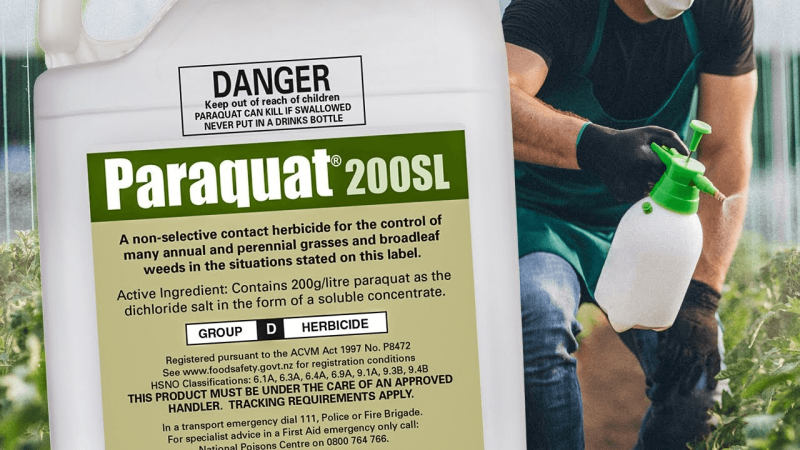
If you were watching television in almost any U.S. market in March and April, you probably saw advertisements soliciting would-be plaintiffs who were exposed to the crop-protection tool paraquat and later developed Parkinson’s disease. Nearly 15,000 commercials ran in April to the tune of $1.9 million. The lawsuits aimed at paraquat aren’t new — they started back in 2017 — but the media blitz was the highest ever in March and April of 2022. Though the 2021 campaign was nothing to sneeze at.

Follow the latest news and policy debates on sustainable agriculture, biomedicine, and other ‘disruptive’ innovations. Subscribe to our newsletter.

Unfortunately, mass tort litigation is a big business. As any lawyer, myself included, will tell you that litigation is expensive, even when you have a good case. These large-scale cases require more capital, sometimes attracting third-party investors, like hedge funds. In other words, there are literally financiers, with no connection to the case, who profit when plaintiffs recover big judgments.

These mass tort firms now have a recipe for success: Invent questionable scientific evidence, find a sympathetic plaintiff, sue the manufacturer, and payday. This isn’t about justice or paying for someone’s cancer treatments — this is about big money. For farmers, that’s a scary prospect. Roundup, paraquat, and other pesticides are important crop-protection tools. How many multi-million-dollar lawsuits can the manufacturers withstand before they decide it isn’t worth it?

This is an excerpt. Read the original post here

{{ reviewsTotal }}{{ options.labels.singularReviewCountLabel }}
{{ reviewsTotal }}{{ options.labels.pluralReviewCountLabel }}
{{ options.labels.newReviewButton }}
{{ userData.canReview.message }}

Related Articles

Infographic: Global regulatory and health research agencies on whether glyphosate causes cancer

Infographic: Global regulatory and health research agencies on whether glyphosate causes cancer

Does glyphosate—the world's most heavily-used herbicide—pose serious harm to humans? Is it carcinogenic? Those issues are of both legal and ...

Most Popular

Screenshot-2026-04-22-at-12.21.32-PM
Viewpoint: Why the retracted Monsanto glyphosate study doesn’t change the science—the world’s most popular herbicide is safe 
ChatGPT-Image-Apr-16-2026-02_56_53-PM
Financial incentives, over diagnosis, and weak oversight: Autism claims are driving up Medicare costs
Picture1
The FDA couldn’t find a vaccine safety crisis, so it buried its own research
ChatGPT-Image-May-1-2026-11_42_59-AM-2
Viewpoint: NAD is the wellness grifters latest evidence-lite longevity fad. At least the mice are impressed.
global warming
‘Implausible’: Top climate scientists reject worst-case scenario—soaring temperatures and fast-rising sea levels
Screenshot-2026-05-21-at-12.15.17-PM
UK gene-editing milestone: Livestock barley that increases ruminant value and reduces methane emissions is first-approved CRISPR crop
Screenshot-2026-05-21-at-3.15.53-PM
Chiropractors may no longer be modern-day snake oil salesmen, but the benefits of their therapy are limited–at best

Sorry. No data so far.

glp menu logo outlined

Get news on human & agricultural genetics and biotechnology delivered to your inbox.