Coming down with monkeypox comes with a stigma. Here’s how to talk about the virus

Credit: ShutterStock

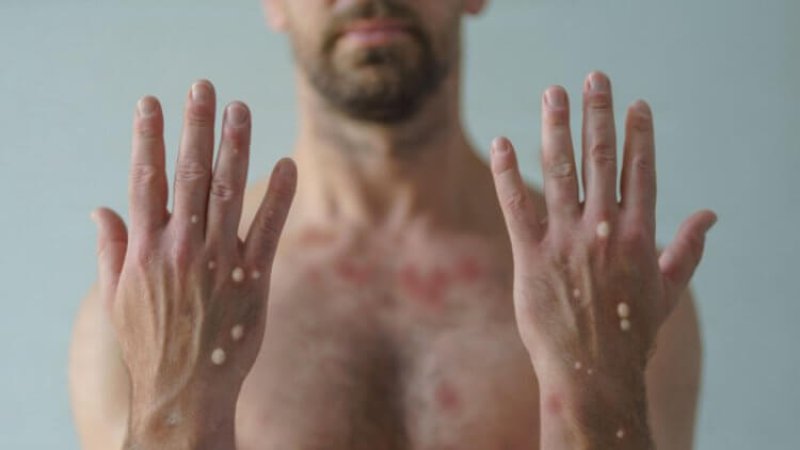
As places like San Francisco and New York state declare the monkeypox outbreak a public health emergency, there’s a major question: how to talk about the virus in the first place.

Follow the latest news and policy debates on sustainable agriculture, biomedicine, and other ‘disruptive’ innovations. Subscribe to our newsletter.

Although anyone can get infected, the outbreak appears to have largely affected men who have sex with other men. That’s led some public health officials to question how to raise awareness about the spread without making the early public health mistakes of the HIV/AIDS crisis when gay and bisexual men were stigmatized and discriminated against.

It’s a tricky conversation but it matters, said Dr. Joseph Lee, a professor of health education and promotion at East Carolina University who has studied public health messaging.

Fixating on how the virus impacts different populations can be unproductive and unhelpful, Lee says.

On one end, it tends to make people who are disproportionately impacted feel fatalistic and less likely to seek help, he added. On the other end, it makes those who have been less impacted inaccurately believe they are less vulnerable.

“You can recognize that there are differences and that’s important to do, but it doesn’t mean it has to be the emphasis or message of the campaign. It just tells you who the messaging needs to go to,” Lee said. 

This is an excerpt. Read the original post here

{{ reviewsTotal }}{{ options.labels.singularReviewCountLabel }}
{{ reviewsTotal }}{{ options.labels.pluralReviewCountLabel }}
{{ options.labels.newReviewButton }}
{{ userData.canReview.message }}

Related Articles

Infographic: Global regulatory and health research agencies on whether glyphosate causes cancer

Infographic: Global regulatory and health research agencies on whether glyphosate causes cancer

Does glyphosate—the world's most heavily-used herbicide—pose serious harm to humans? Is it carcinogenic? Those issues are of both legal and ...

Most Popular

ChatGPT-Image-May-7-2026-12_16_37-PM-2
Viewpoint: Are cancer rates ‘skyrocketing’ as RFK, Jr. and MAHA claims? The evidence says mostly the opposite
Screenshot-2026-04-13-at-1.39.26-PM
Viewpoint: ‘Safer for children?’ Stonyfield yogurt under fire for deceptive organic marketing
Screenshot-2026-04-22-at-10.46.29-AM
Viewpoint: How to counter science disinformation? Science journalist offers 12 practical tips
png-pill-omega-Supp-fish-oil
Millions take omega-3 fish oil for brain health. New research suggests it may do the opposite.
ChatGPT Image May 14, 2026, 09_51_35 PM
Facebook swamped by hundreds of thousands of scam ads for illegal or dangerous medical products
ChatGPT Image May 12, 2026, 01_21_30 PM
How big health brands are funding online medical misinformation 
Screenshot-2026-04-23-at-11.00.36-AM
Regulators' dilemma: Thalidomide, Metformin, and the cost of getting drug approvals wrong
Picture1-5
Science Disinformation Gap: The transatlantic battle over social media and censorship
Picture1-1
Cooling the planet with balloons: Could a geoengineering gamble slow global warming?
ChatGPT-Image-May-13-2026-12_43_37-PM-2
Longevity: Is cellular rejuvenation even possible?
ChatGPT-Image-May-12-2026-08_39_41-PM
GLP podcast: Big Pharma, Big Ag, Big Food—health harming industries or life-saving innovators?
glp menu logo outlined

Get news on human & agricultural genetics and biotechnology delivered to your inbox.