There’s still a lot of confusion about how monkeypox spreads. Here is what we know so far

Credit: 
LloydsPharmacy
Credit: LloydsPharmacy

Monkeypox has spent most of its evolutionary history living inside Central and Western Africa’s small mammals — squirrels, rats, mice, and the true reservoir host, which remains unknown. It didn’t evolve to be good at infecting humans. So catching it requires getting a hefty dose of the virus, what scientists call a “high inoculum.”

Follow the latest news and policy debates on sustainable agriculture, biomedicine, and other ‘disruptive’ innovations. Subscribe to our newsletter.

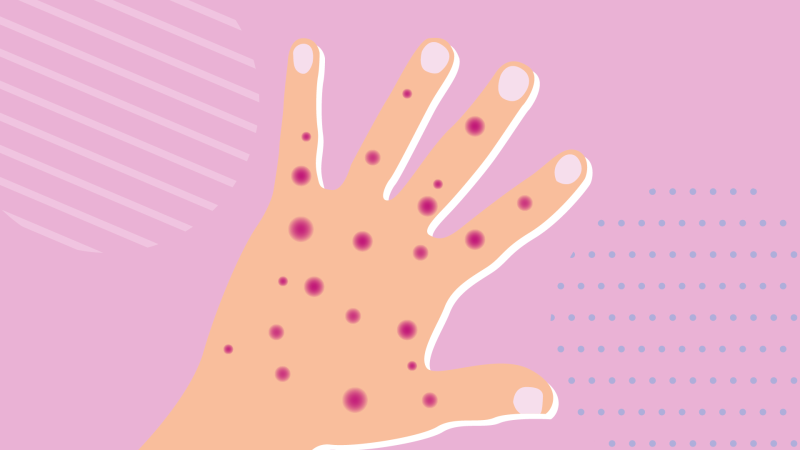
There are three ways you can be exposed to sufficient amounts of the virus to become infected: direct skin-to-skin contact with the lesions caused by the virus, touching contaminated objects, and close contact with respiratory secretions like saliva from a person with lesions in their mouth or throat. What’s clear from the epidemiological evidence so far is that the current monkeypox epidemic is being driven overwhelmingly by the first of these — in particular, close intimate contact between sexual partners.

What’s less clear is whether urine, feces, blood, semen, or vaginal fluids can spread the virus, the extent to which people without symptoms can infect others, and how much of a role inhaled respiratory particles are playing in transmission.


But many experts emphasized that while for most people the risk of contracting monkeypox right now is very low, public health officials should be taking this disease more seriously.


This is an excerpt. Read the original post here

{{ reviewsTotal }}{{ options.labels.singularReviewCountLabel }}
{{ reviewsTotal }}{{ options.labels.pluralReviewCountLabel }}
{{ options.labels.newReviewButton }}
{{ userData.canReview.message }}

Related Articles

Infographic: Global regulatory and health research agencies on whether glyphosate causes cancer

Infographic: Global regulatory and health research agencies on whether glyphosate causes cancer

Does glyphosate—the world's most heavily-used herbicide—pose serious harm to humans? Is it carcinogenic? Those issues are of both legal and ...

Most Popular

Screenshot-PM-24
Viewpoint: The herbicide glyphosate isn’t perfect. Banning it would be far worse.
79d03212-2508-45d0-b427-8e9743ff6432
Viewpoint: The Casey Means hustle—Wellness woo opportunism dressed up as medical wisdom
d-b
Blocked arteries, kidney stones, nausea, constipation, fatigue: Long list of health problems caused by too much vitamin D 
ChatGPT-Image-Mar-10-2026-01_39_01-PM
Viewpoint—“Miracle molecule” debunked: Why acemannan supplements don’t work
ChatGPT-Image-Apr-30-2026-05_00_48-PM
Wellness grifter physician turned wellness influencer out as surgeon general nominee
Screenshot-2026-04-30-at-11.33.46-AM
Anti-seed-oil to anti-vax pipeline: MAHA movement spreads to teen influencers
lab grown meat research kelly schultz lehighuniversity main
Profiles of the 10 top global cultured meat companies
ChatGPT-Image-Apr-30-2026-12_21_05-PM-2
The tech billionaires behind the immortality movement
Screenshot-2026-04-28-at-1.21.37-PM
How America’s medical system encourages psychiatric overdiagnosis
ChatGPT-Image-Mar-27-2026-11_27_05-AM
The myths of “process”: What science says about the “dangers’ of synthetic products and ultra-processed foods

Sorry. No data so far.

glp menu logo outlined

Get news on human & agricultural genetics and biotechnology delivered to your inbox.