This October marks the 25th anniversary of the film’s release. Ever since, the word Gattaca—made up of the letters that stand for the four nitrogenous bases that make up our genes—has essentially become shorthand for a dystopian future enabled by genetic engineering.
And ever since, people have been invoking the name as a warning: Gattaca stands for a future in which genetic technology has created a society where scientists determine your genes, and your genes determine who you are.
“The only protection society has from a slippery slope that basically leads to a Gattaca-type environment—designer babies, a master race—is public awareness, public scrutiny,” says a doctor during a CNN broadcast in 2000 about designer babies—that is, babies genetically designed to have certain traits.
…

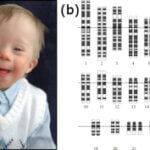
“I think I think about it more than my patients do because when they ask what we’re testing for in the embryos, I on occasion say ‘It’s not like Gattaca, we can’t test for traits. When we screen embryos broadly, we’re screening for chromosomes,’ ” Paula Brady, a reproductive endocrinologist at Columbia University, said. “I think the movie’s old enough that it’s not a frame of reference.”
Brady also pointed out how the movie exists on the premise that genetics are fate and fails to account for the idea that the manifestation of certain genes can vary significantly from person to person.