Weight loss surgery found to dramatically decrease risk of dying from cancer

Credit: Imperial College London

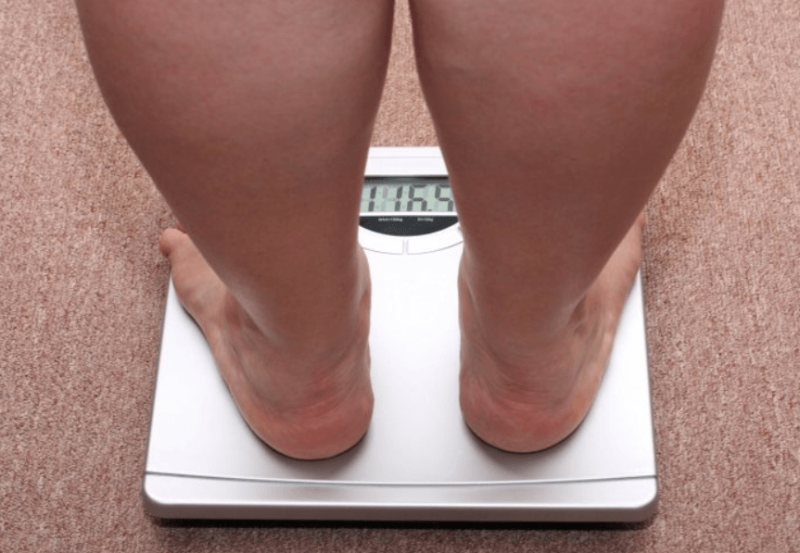
A large new study found that people who lost significant amounts of weight through bariatric surgery gained a striking benefit: Their likelihood of developing cancer fell sharply.

The study, published on [June 3] in JAMA, followed more than 30,000 adults with obesity for about a decade. It found that those who underwent weight loss surgery had a 32 percent lower risk of developing cancer and a 48 percent lower risk of dying from the disease, compared with a similar group of people who did not have the surgery. On average, the people who had weight loss surgery lost about 55 pounds more than those who did not over the course of the study. The researchers found that the more weight people lost, the more their cancer risk fell.

Mis- and disinformation are distorting science and public policy. Subscribe to our Daily and Weekly Digests for incisive coverage of ‘disruptive’ innovations in AI, agricultural biotechnology, food, chemicals, nuclear energy, vaccines, and other disruptive innovations.

While the new research focused on weight loss through bariatric surgery, the authors of the study speculated that the benefit would apply to weight loss through other methods as well, such as diet and exercise or the use of weight loss medications. Dr. Steven E. Nissen, a co-author of the study, said the findings “provide one more reason why people who are obese should lose weight.”


“It’s an important public health message,” said Dr. Nissen, the chief academic officer of the Heart, Vascular and Thoracic Institute at the Cleveland Clinic. “I think a lot of the public doesn’t understand or realize that obesity is such a strong risk factor for cancer, and they certainly don’t understand that it’s reversible.”


Related Articles

Infographic: Global regulatory and health research agencies on whether glyphosate causes cancer

Infographic: Global regulatory and health research agencies on whether glyphosate causes cancer

Does glyphosate—the world's most heavily-used herbicide—pose serious harm to humans? Is it carcinogenic? Those issues are of both legal and ...

Most Popular

ChatGPT-Image-Mar-10-2026-01_39_01-PM
Viewpoint—“Miracle molecule” debunked: Why acemannan supplements don’t work
Woman_Vaping_Electronic_Cigarette_50687233623
Trump administration clears the way for speedy approvals of once-restricted tobacco vapes and pouches
ChatGPT-Image-Sep-25-2026-11_36_56-AM
Now AI almost started a war with China
Screenshot-2026-09-17-at-1.07.08-PM
'We are dangerously addicted to antidepressants': Should we heed RFK Jr.’s sobering warning?
ChatGPT-Image-Sep-2-2026-02_03_32-PM
How much of a problem is AI’s water use?
Screenshot-2026-09-24-at-1.24.47-PM
80% of Americans take (mostly useless) supplements for their health
Screenshot-2026-09-16-at-10.27.33-AM
Viewpoint: SCOTUS poised to address First Amendment tension between mandatory vaccines, children’s health and religious freedom 
ChatGPT-Image-Sep-27-2026-10_00_17-AM
Current and future RFK Jr. aides criticize his science-rejectionist vaccine views
ChatGPT-Image-Sep-21-2026-11_54_00-AM
Viewpoint: Activist environmental NGOs are turning from public funding to activist billionaires to support their campaigns. It won’t end well.
ChatGPT-Image-Sep-23-2026-01_52_03-PM
Viewpoint: 4 very real AI doomsday scenarios
Screenshot-2026-09-16-at-2.26.42-PM
Viewpoint: How to ecologically damage America’s forests: Ban glyphosate
glp menu logo outlined

Get news on human & agricultural genetics and biotechnology delivered to your inbox.