I ran across that lens while reading an article about filing cabinets in The Atlantic [1]
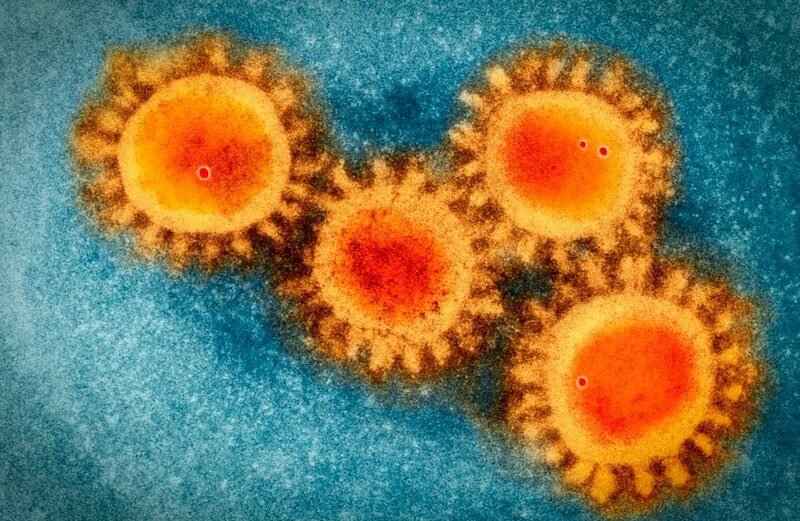
The coronavirus pandemic is just one potent example of this tension between information and knowledge. In the early days, it became clear that very little was clear about what was going on. …Our information systems were rife not simply with misinformation—false or misleading information—but with what I call “midinformation” (note the d), or informational ambiguity based on scant or conflicting evidence, in many cases about emerging scientific knowledge. [emphasis added]
Think back to COVID’s early days, a novel virus that brought exponentially rising cases and deaths. Remember the heightened concern and the “all hands on deck” search for cause and treatment. For various reasons, and you can impose whatever intent you wish, it is irrelevant; our societal hair was on fire. And our great cultural tool, science, stopped whatever it was doing and turned its considerable collective attention to the rising pandemic.
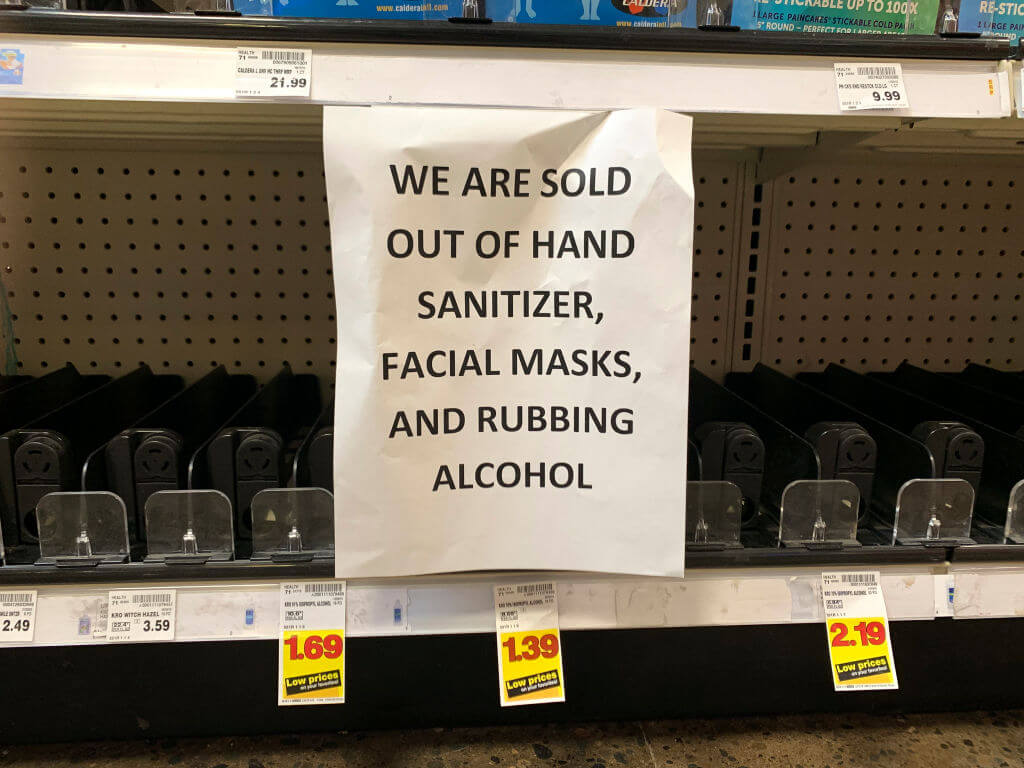
Fomites and the rise of disinfection theater
Consider in those early days the suggestions that we leave packages outside for at least one day before bringing them inside and clean them off using a sanitizer while wearing gloves. I wrote about the underlying science, which was based on the work of physicists and others on laboratory models. Unfortunately, while their calculations of how long COVID might survive on surfaces were correct, the underlying model they used was, as with all models, flawed. In the ensuing months, it became clearer that COVID was transmitted as a respiratory virus; contact spread through fomites was infrequent. That early work about the lifespan of COVID on cardboard is a perfect example of midinformation. It is also an ideal example of how science works.
The Western scientific enterprise is built upon the idea that a hypothesis’s power lies in its explanatory capability. It can never be fully “proven” but can be disproven. The hypothesis that fomites could transmit COVID was replaced by the hypothesis that it was spread primarily as a respiratory virus, which could explain more of the infections. The fomite hypothesis was not wrong or misinformation; it was midinformation.
Big Glove did not pay for the fomite research, nor did Big Disinfectant (remember the distilleries switching to produce hand sanitizer?). It was a reasonable faith effort to use our available knowledge to fight a feared invisible entity.
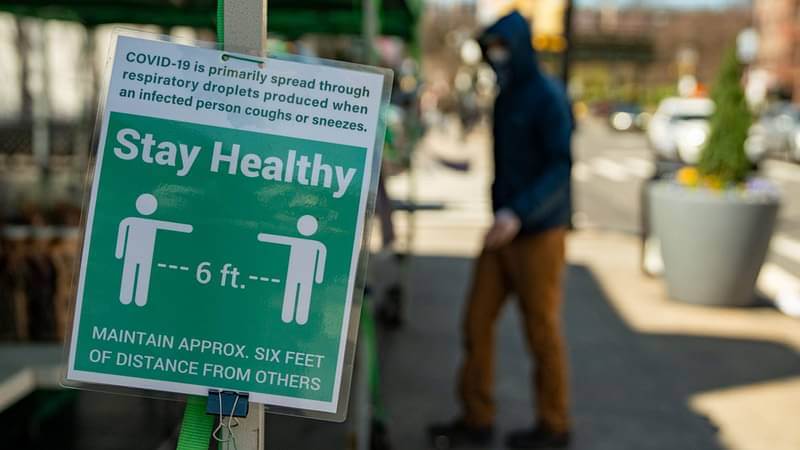
The six-foot rule
Once it became more apparent that COVID was transmitted through the air, science turned its attention to our breath. We applied everything we knew about aerosols to determine how we might gather safely. As I have written, the CDC decision to alter its recommendation from six to three feet of distance between individuals in school was based on a scientific study, not a flip-flop. It was moving from earlier midinformation to later and better, new information. That is how our scientific enterprise works.
Pre-prints and policy
“Laws are like sausages; it is better not to see them being made.” — Otto von Bismarck
One of the results of our early fears in the pandemic and the resulting urgency to prevent and treat COVID was that we, the public, were exposed to the sausage-making of “settled” science. Science has its rhythm. It begins with individual studies shared initially between collaborating scientists and, when important, finding their first real mention at a national conference as a slide presentation. Otherwise, it will take several months as the scientists find a journal willing to publish their work and go through the six-month publication process. As a consensus builds, that scientific information will find its way into yearbooks summarizing the annual work in the field, and only much later will this science find its way into textbooks. The real fears of the pandemic short-circuited that science-making rhythm with the rising utilization and dependence upon the preprints.



Preprints were intended to rapidly disseminate scientific findings to those interested in the area. They are the new digital form of collaboration, getting to individuals faster than a talk at a national convention. They are early in the sausage-making process and need to be read and parsed not so much with a jaundiced eye but with a knowledgeable one. Once again, because of our societal urgency and frequently out of “an abundance of caution,” we jumped from one piece of midinformation to another; so did the policymakers.
Should we forgive the policymakers for their judgments made upon the best possible midinformation? Many of my colleagues, writing and tweeting, have strongly condemned the actions of the policymakers. The Great Barrington Declaration, the value of masks, vaccination in children, and the closing of schools. Of course, they are not actually making decisions that will result in adverse financial or health consequences; they will not be held responsible for their words. I doubt they are being disingenuous, but they are shielded from the burden of guilt over lives and monies lost by their actions. Actions do speak louder than words.
Recognizing the role of midinformation in the pandemic should soften some of the anger and lower the presumptive high ground of the various blamers and shamers of our public health response. We clearly can do better. We need to change our systems to make them more agile and transparent. Continuing to ascribe intent, to do no harm, or as part of some cabal to tear at our social fabric serves no useful purpose. Physicians make life and death decisions under uncertainty every day. We are often correct, sometimes wrong. To improve our ability to choose well under uncertainty, we focus on enhancing our judgment and experience. The same holds for improving the response of our public health system.
Dr. Charles Dinerstein, M.D., MBA, FACS is the Medical Director at the American Council on Science and Health. He has over 25 years of experience as a vascular surgeon. He completed his MBA with distinction in the George Washington University Healthcare MBA program and has served as a consultant to hospitals.
A version of this article was originally posted at the American Council on Science and Health and has been reposted here with permission. The American Council on Science and Health can be found on Twitter @ACSHorg