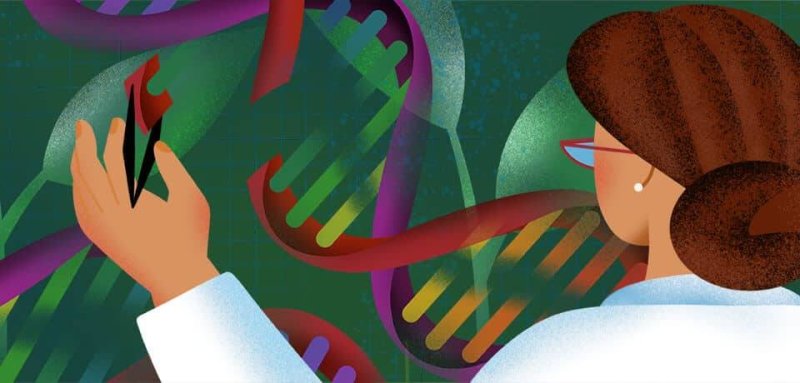
CRISPR-pedia: Everything you need to know about gene-editing our way to a lower-carbon, more productive farming future

Credit: Labiotech
Credit: Labiotech

The world population is growing. At the same time, climate change is making it more difficult to grow many important food crops. So, researchers and farmers need to figure out how to adapt agriculture to changing, and sometimes increasingly harsh environmental conditions.

Researchers are actively working on this, and have discovered some DNA variants that increase crop resilience to extreme environments, including drought. They are using CRISPR tools to make these changes in important staple crops like corn, wheat, rice, and sugarcane. Some of these crops are currently being tested in the field, with more to come.

Follow the latest news and policy debates on sustainable agriculture, biomedicine, and other ‘disruptive’ innovations. Subscribe to our newsletter.

People all over the world suffer from poor nutrition. Researchers can use CRISPR tools to create more nutritious plant varieties. For example, they can make some plants produce more vitamins, like so-called “golden bananas” that have a richer color due to their increased beta carotene. They can make some plants easier for humans and other animals to digest. They can even remove allergens and toxins; for example, researchers are working on removing allergenic proteins from peanuts and cyanide from cassava. If used for these ends, CRISPR tools could make more nutritious, safe foods available to more people.


This is an excerpt. Read the original post here

{{ reviewsTotal }}{{ options.labels.singularReviewCountLabel }}
{{ reviewsTotal }}{{ options.labels.pluralReviewCountLabel }}
{{ options.labels.newReviewButton }}
{{ userData.canReview.message }}

Related Articles

Infographic: Global regulatory and health research agencies on whether glyphosate causes cancer

Infographic: Global regulatory and health research agencies on whether glyphosate causes cancer

Does glyphosate—the world's most heavily-used herbicide—pose serious harm to humans? Is it carcinogenic? Those issues are of both legal and ...

Most Popular

Screenshot-2026-04-22-at-12.21.32-PM
Viewpoint: Why the retracted Monsanto glyphosate study doesn’t change the science—the world’s most popular herbicide is safe 
Picture1
The FDA couldn’t find a vaccine safety crisis, so it buried its own research
ChatGPT-Image-May-1-2026-11_42_59-AM-2
Viewpoint: NAD is the wellness grifters latest evidence-lite longevity fad. At least the mice are impressed.
global warming
‘Implausible’: Top climate scientists reject worst-case scenario—soaring temperatures and fast-rising sea levels
Screenshot-2026-05-21-at-12.15.17-PM
UK gene-editing milestone: Livestock barley that increases ruminant value and reduces methane emissions is first-approved CRISPR crop
vax-misinformation-main
Facts & Fallacies Podcast: Limit free speech to blunt social media misinfo?
ChatGPT-Image-Apr-16-2026-02_56_53-PM
Financial incentives, over diagnosis, and weak oversight: Autism claims are driving up Medicare costs
Screenshot-2026-05-21-at-3.15.53-PM
Chiropractors may no longer be modern-day snake oil salesmen, but the benefits of their therapy are limited–at best
ChatGPT-Image-May-12-2026-11_27_01-AM-2
AI likely to improve health care, research shows—but not for blacks and ethnic minorities
Screenshot-2026-05-20-at-5.11.17-PM
Viewpoint: No, sugar doesn’t ‘feed’ cancer — common cancer myths, debunked

Sorry. No data so far.

glp menu logo outlined

Get news on human & agricultural genetics and biotechnology delivered to your inbox.