Hate brushing your hair? You may have ‘uncombable hair syndrome’ — a rare genetic disease

uncombable hair might be genetic
Credit: Getty Images

It’s a hair condition that has frustrated parents for decades, now scientists believe they have found the genes responsible for “uncombable hair syndrome”. Yes, it really is a thing.

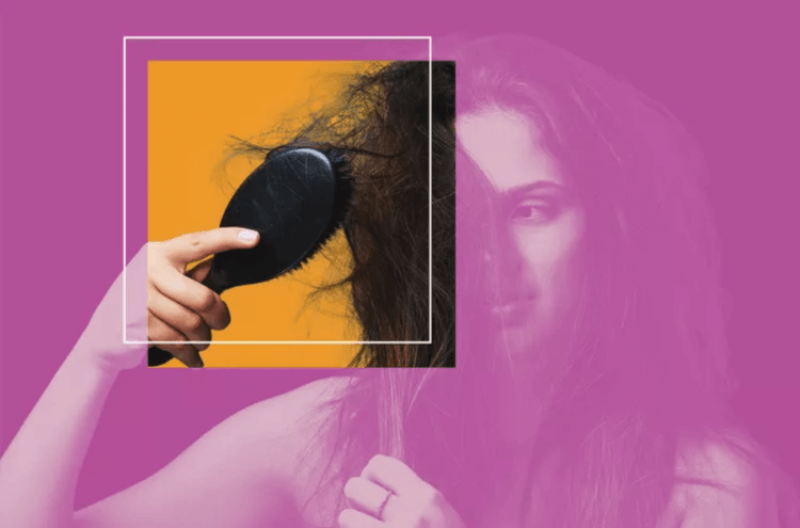
Uncombable hair syndrome is more than just difficult hair. As its name suggests, it’s hair that sticks out at all angles, making it almost impossible to tame let alone comb.

It usually starts in children between the ages of three months and 12 years and is characterised by straw blond or silvery blond frizzy hair. It’s usually wavy, dry and brittle and, thanks to its appearance, it’s sometimes called spun glass hair, pili trianguli et canaliculi or cheveux incoiffables.

Mis- and disinformation are distorting science and public policy. Subscribe to our Daily and Weekly Digests for incisive coverage of ‘disruptive’ innovations in AI, agricultural biotechnology, food, chemicals, nuclear energy, vaccines, and other disruptive innovations.

There hasn’t been much research on this rare condition, which first appeared in published articles in the 1970s. Since then, fewer than 70 publications have appeared, most being case reports.

One of the more recent studies involving 11 children with uncombable hair was performed by geneticists at the University of Bonn, Germany. They found that the condition seemed to be explained by mutations in three genes that code for well-known proteins in the hair follicle.


This is an excerpt. Read the full article here

Related Articles

Infographic: Global regulatory and health research agencies on whether glyphosate causes cancer

Infographic: Global regulatory and health research agencies on whether glyphosate causes cancer

Does glyphosate—the world's most heavily-used herbicide—pose serious harm to humans? Is it carcinogenic? Those issues are of both legal and ...

Most Popular

ChatGPT-Image-Mar-10-2026-01_39_01-PM
Viewpoint—“Miracle molecule” debunked: Why acemannan supplements don’t work
Diet Soda with Measuring Tape 2
Science challenges anti-soda activists: No, sodas won’t make you fat
Strawberry Clamshell with Warning Sticker
Viewpoint: Activists hype ‘dangerous level’ of pesticide residues in Driscoll berries: Separating health concerns from fear-mongering
Screenshot 2026-10-16 at 5.38
PFAS in Agriculture: Science, Uncertainty, and Risk Communication
Rustic Skillet of Raw Brains
‘Weird food’? Testicle- and brain-eating, supplement-gulping MAHA health food enthusiasts defend their ‘natural’ diets
Government Briefing on Autism Trends
Viewpoint: ‘Statistical murder’: Kennedy’s expanding record of “duplicity and mendacity”
Serene Mature Woman in Abstract Waves
Testosterone’s growing appeal to women: It anecdotally mildly improves sex life, but are there any other potential benefits—or red flags?
Prescription Capsules Scattered on Twenty-Dollar Bills
Facts & Fallacies podcast: America's health care system is broken. A doctor explains how to fix it, Part 2
png_cheese_Raw_milk
100% raw milk, 100% misguided: As MAHA-fueled demand for unpasteurized milk soars, American Academy of Pediatrics renews call for a ban on its sale and distribution
Silhouettes Beneath the Mosquito Nets
Guinea-Bissau halts widely condemned RFK Jr.-backed vaccine trial that would have withheld life-saving vaccines from thousands of newborns
psychedelics ptsd neurosciencnews public
Chaos or at peace with the world: The complex ways psychedelics transform the brain
glp menu logo outlined

Get news on human & agricultural genetics and biotechnology delivered to your inbox.