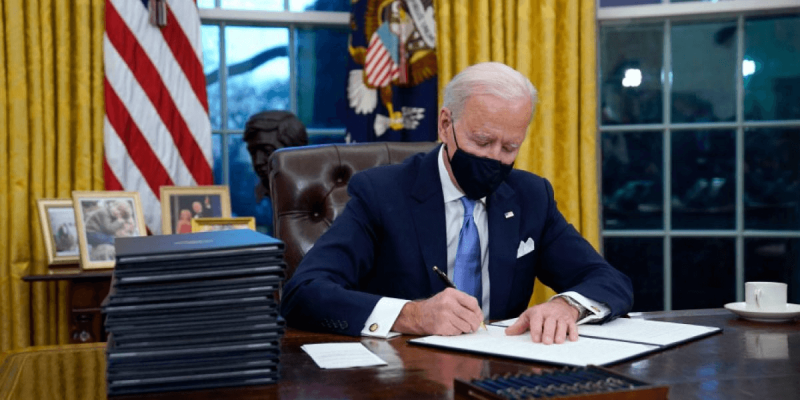
Half a century ago, biotechnology became a marketing buzzword for the products and processes that used then-new techniques of genetic modification, such as recombinant DNA technology, or “gene splicing.” Today, that term has given way to “the bioeconomy,” the economic output from biotechnology, which President Biden’s September 12 “Executive Order 14081 on Advancing Biotechnology and Biomanufacturing” seeks to grow with new industrial policy.
The administration’s industrial policy begins with virtue-signaling platitudes, such as its emphasis on “principles of equity, ethics, safety, and security that enable access to technologies, processes, and products in a manner that benefits all Americans.” It then drifts toward gratuitous restraints, requiring that the government “launch a Biosafety and Biosecurity Innovation Initiative, which shall seek to reduce biological risks associated with advances in biotechnology, biomanufacturing, and the bioeconomy.”
…
The order also creates a bureaucratic maze of new initiatives and an alphabet soup of acronymic federal agencies tasked to create commissions, prepare reports, and, well, you name it: “Within 2 years of the date of this order, agencies at which recommendations are directed in the implementation plan required under subsection (C) of this section shall report to the Director of OMB, the APNSA, the APEP, the APDP, and the Director of OSTP on measures taken and resources allocated.” And so on.

Instead of creating a massive make-work project for bureaucrats, the Biden administration should simplify the implementation of the order and put the highest priority on regulatory reforms that would stimulate growth of the bioeconomy.