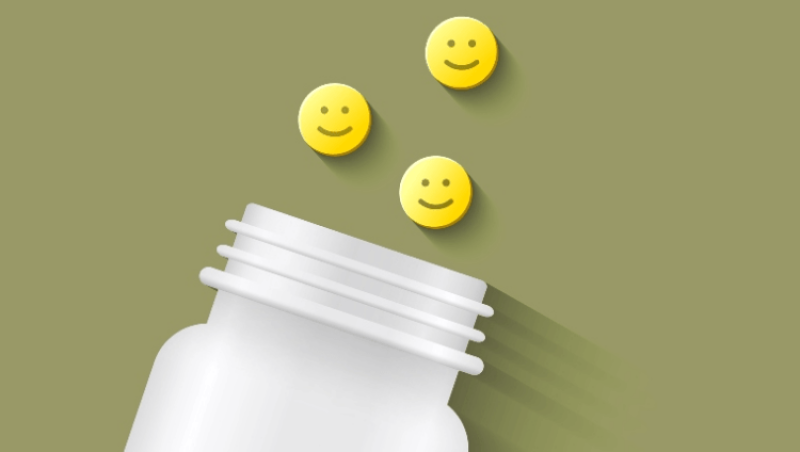
Video game therapy? Upbeat computer games boost ketamine’s power as an antidepressant

Ketamine may become the next in-demand' antidepressant
Credit: The Riveter
[Researcher Rebecca] Price and a team of researchers wanted to find a way to make ketamine’s antidepressant effects last longer. They decided to focus on a common symptom of depression: low self-esteem and self-loathing.

The team drew on research suggesting that ketamine temporarily causes certain brain areas to enter a state in which they form lots of new connections. During this period, the brain seems to be more receptive to learning and change.

Mis- and disinformation are distorting science and public policy. Subscribe to our Daily and Weekly Digests for incisive coverage of ‘disruptive’ innovations in AI, agricultural biotechnology, food, chemicals, nuclear energy, vaccines, and other disruptive innovations.

The team had some participants play special computer games for 30 to 40 minutes a day for four days after they received an infusion of ketamine.

In games that involved words, every time a player saw the letter “I” it was followed by positive terms like “good, lovable, sweet, worthy, etc.,” Price says.

In other games, participants were asked to click on a photo — of themselves or of a stranger — as soon as it flashed on one area of the screen.

“Every time they click on their own photo, what appears right afterwards in that same location is a smiling face,” Price says.

The games had a surprisingly powerful effect.

“By doing these really simple computer exercises we could extend the antidepressant effect of one infusion of ketamine for at least a month,” Price says, adding that the effect can last up to three months.


This is an excerpt. Read the full article here

Related Articles

Infographic: Global regulatory and health research agencies on whether glyphosate causes cancer

Infographic: Global regulatory and health research agencies on whether glyphosate causes cancer

Does glyphosate—the world's most heavily-used herbicide—pose serious harm to humans? Is it carcinogenic? Those issues are of both legal and ...

Most Popular

ChatGPT-Image-Mar-10-2026-01_39_01-PM
Viewpoint—“Miracle molecule” debunked: Why acemannan supplements don’t work
Screenshot-2026-09-17-at-1.07.08-PM
'We are dangerously addicted to antidepressants': Should we heed RFK Jr.’s sobering warning?
Screenshot-2026-09-03-at-10.51.20-AM
Viewpoint: Why do online health lies outlive the evidence that debunks them? Read "Everyone Else Is Lying to You"
ChatGPT-Image-Sep-2-2026-02_03_32-PM
How much of a problem is AI’s water use?
ChatGPT-Image-Sep-23-2026-01_52_03-PM
Viewpoint: 4 very real AI doomsday scenarios
ChatGPT-Image-Sep-22-2026-10_32_46-AM
There has been a slew of recent reports of food recalls and foodborne outbreaks. Do we face an escalating problem?
ChatGPT-Image-Aug-26-2026-12_46_16-PM
Viewpoint: The fake controversy over whether combining childhood vaccines is dangerous— a debate science resolved 25 years ago
Screenshot-2026-09-23-at-11.55.01-AM
How can we know if social media bans actually help teens?
Screenshot-2026-09-22-at-11.40.28-AM
After Idaho criminalized abortion providers in 2022, one-third of obstetricians fled. Health care advocates are making rural health the case for repealing the ban
Screenshot-2026-09-23-at-3.15.09-PM
Anti-GMO activists in Pakistan rev up their campaign of dire warnings
Screenshot-2026-09-17-at-12.00.30-PM
Investigative group ProPublica finds links between ectopic pregnancy deaths and abortion bans
ChatGPT-Image-Sep-17-2026-12_28_43-PM
Vitamin D, omega-3 fish oil and glucosamine supplements could cause brain damage 
glp menu logo outlined

Get news on human & agricultural genetics and biotechnology delivered to your inbox.