One of the deadliest diseases is on the rise again: Tuberculosis caused 1.6 million deaths last year alone

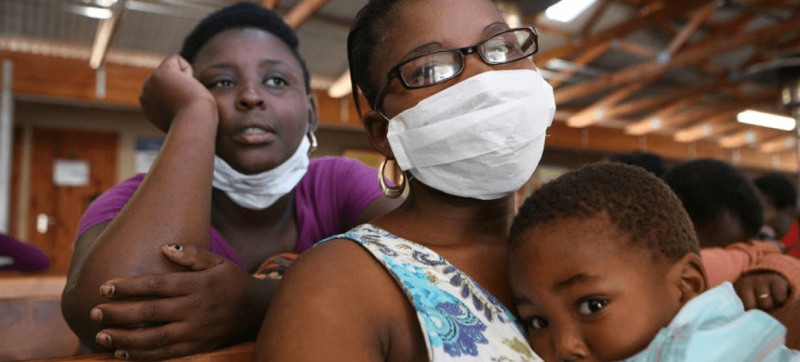
Credit: David Gough/IRIN

Bad news comes from the WHOโ€™s latest Global Tuberculosis Report, released [October 27]. According to the report, there were an estimated 10.6 million people who became sick from the bacterial disease in 2021, amounting to an increase in cases of 4.5% from 2020. There were also 1.6 million tuberculosis deaths last year, including nearly 200,000 deaths among people living with HIV. According to the WHO, tuberculosis is the 13th leading cause of death worldwide, and the second leading cause from any single infectious disease, following covid-19.

Follow the latest news and policy debates on sustainable agriculture, biomedicine, and other ‘disruptive’ innovations. Subscribe to our newsletter.

Even before the pandemic emerged in late 2019, TB was one of the most prolific sources of misery and death in the world, with the burden largest in parts of Southeast Asia and Africa. But there had been slow progress in reducing active cases over time until 2021. Like many other bacterial diseases, antibiotic resistance has become a serious problem in combating TB. The incidence of drug-resistant TBย rose by 3% last year, which included 450,000 cases resistant to the antibiotic rifampicin, one of the only two front-line drugs available to treatย TB.

The pandemic is believed to have led to decreases in people seeking out health care services that could have diagnosed and treated acute cases or prevented latent TB infections from becoming acute. But it may have also sapped financial resources normally dedicated to fighting TB. The report notes that global spending on essential TB services dropped from $6 billion (USD) in 2019 to $5.4 billion in 2021โ€”neither of which meets the global target of $13 billion in annual spending recommended by the WHO.


This is an excerpt. Read the full article here

{{ reviewsTotal }}{{ options.labels.singularReviewCountLabel }}
{{ reviewsTotal }}{{ options.labels.pluralReviewCountLabel }}
{{ options.labels.newReviewButton }}
{{ userData.canReview.message }}

Related Articles

Infographic: Global regulatory and health research agencies on whether glyphosate causes cancer

Infographic: Global regulatory and health research agencies on whether glyphosate causes cancer

Does glyphosateโ€”the world's most heavily-used herbicideโ€”pose serious harm to humans? Is it carcinogenic? Those issues are of both legal and ...

Most Popular

ChatGPT-Image-Mar-10-2026-01_39_01-PM
Viewpointโ€”โ€œMiracle moleculeโ€ debunked: Why acemannan supplements donโ€™t work
Screenshot 2025-07-30 at 10.48
Can gene editing eliminate Down syndrome? Scientists have done it in lab-grown cells
Screenshot 2026-05-26 at 10.15
Viewpoint: Double standardโ€”Why does the wellness industry get a free pass while Big Healthcare is treated as morally suspect?
ChatGPT-Image-Jun-4-2026-01_27_58-PM
Viewpointโ€”N.A.D.+: Why Gwenyth Paltrowโ€™s heralded anti-aging supplement doesnโ€™t work
downsyndrome_compilation_MID_1
CRISPR breakthrough that can remove the chromosome responsible for Down syndrome raises ethical questions
ChatGPT-Image-May-26-2026-07_51_21-AM-2
Viewpoint: There are more than 1,000 chemicals in a cup of coffeeโ€”including many substances that can cause cancer. Why isnโ€™t it banned?
Screenshot-2026-06-03-at-1.24.46-PM
Challenging anti-GMO disinformation: Why genetically-tweaked crops offer bushels of benefits

Sorry. No data so far.

glp menu logo outlined

Get news on human & agricultural genetics and biotechnology delivered to your inbox.